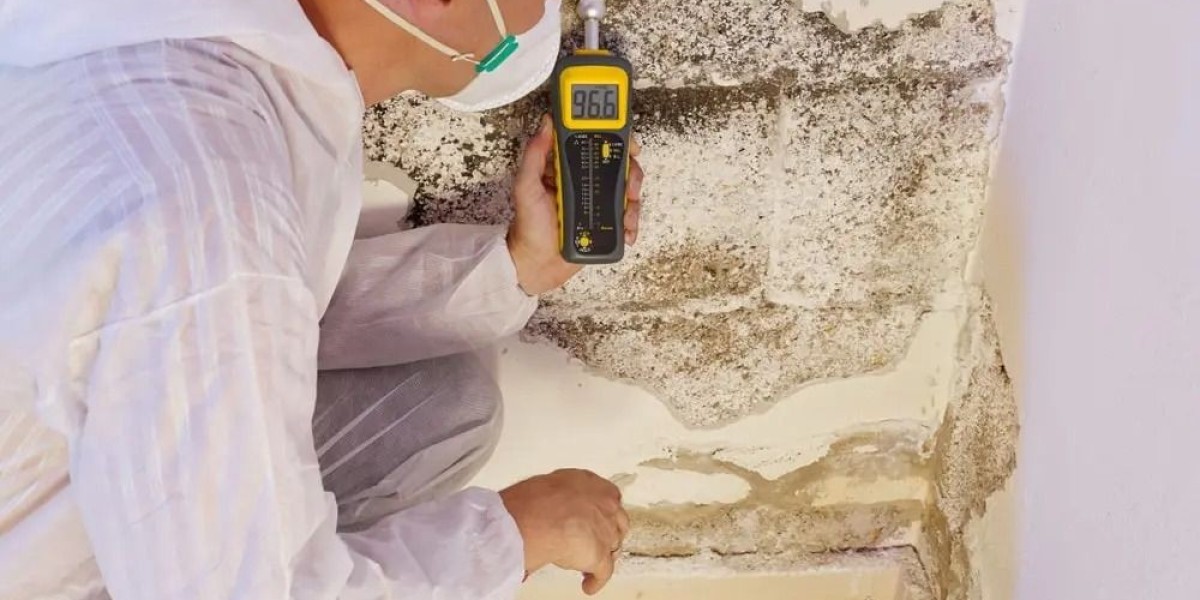


Why Mold Inspections Matter
Mold can develop in different parts of a property when moisture remains present for an extended period. Bathrooms, kitchens, basements, attics, and areas around plumbing fixtures may be particularly vulnerable. Although some mold growth is visible, other affected areas can remain hidden behind walls or beneath flooring. Identifying potential problems early helps property owners understand the condition of their buildings and determine whether further attention is needed.
Recognizing Signs of Possible Mold Growth
Unusual discoloration, persistent musty smells, and visible spots on walls or ceilings may indicate a moisture-related concern. Mold Inspection Services in Apopka FL can help property owners investigate areas where mold growth is suspected. However, these signs do not always confirm the presence of mold. A careful inspection helps evaluate the affected locations and identify conditions that may be contributing to the problem.
Understanding the Connection Between Moisture and Mold
Mold needs moisture to grow, making water intrusion an important factor in many indoor mold concerns. Leaking pipes, roof damage, poor ventilation, condensation, and previous flooding can create conditions that support growth. Even small leaks may become problematic when they remain unnoticed. Finding and addressing the moisture source is an important part of managing a mold-related issue.
Inspecting Common Problem Areas
Some parts of a property are more likely to experience moisture accumulation than others. Inspectors may pay attention to bathrooms, laundry rooms, kitchens, crawl spaces, attics, and areas around windows. Basements and spaces with limited airflow may also deserve attention. The inspection approach depends on the building's layout, visible conditions, history of water damage, and concerns reported by the property owner.
Looking Beyond Visible Surfaces
Visible mold is not the only concern during an inspection. Moisture may affect materials behind drywall, beneath carpets, or inside cabinets. Stains, peeling paint, warped flooring, and damaged building materials can provide clues about possible water exposure. A careful evaluation helps determine whether additional investigation is appropriate. Inspectors should explain the limitations of a visual assessment and whether further testing may be useful.
The Role of a Professional Inspection
A Home Inspection Company can help property owners understand different aspects of a building's condition, including visible moisture concerns. Depending on the inspection scope, the process may involve examining accessible areas, identifying signs of water intrusion, and documenting observed conditions. A general home inspection and a specialized mold assessment are not necessarily the same service, so clients should clarify what is included before scheduling an appointment.
Understanding Mold Testing
Mold testing may be considered when additional information is needed about suspected contamination. Different testing methods can examine air or surface samples, depending on the circumstances. Testing is not always necessary to identify a visible moisture problem, and results should be interpreted within the context of the property. Property owners should discuss the purpose, limitations, and expected value of testing before proceeding.
Reviewing Inspection Findings
An inspection report helps property owners understand the conditions observed during the visit. It may include photographs, descriptions of affected areas, visible moisture concerns, and recommendations for further evaluation. Clear documentation can be useful when planning repairs, discussing concerns with contractors, or reviewing a property's condition before a purchase. Owners should ask questions if any findings or suggested next steps are unclear.
Addressing the Source of Moisture
Cleaning visible growth without correcting the underlying moisture problem may allow the issue to return. Repairs may involve fixing plumbing leaks, improving ventilation, addressing roof damage, or correcting drainage concerns. The appropriate solution depends on the source and extent of the moisture. Significant contamination or damaged building materials may require qualified remediation professionals to evaluate and complete the necessary work.
Maintaining Better Indoor Conditions
Routine property maintenance can help reduce conditions that contribute to mold growth. Checking plumbing connections, maintaining ventilation systems, keeping gutters clear, and responding quickly to leaks are useful preventive steps. Bathrooms and other humid areas should have suitable airflow. Property owners should also pay attention to condensation around windows and other surfaces, especially when indoor and outdoor temperatures differ.
When to Consider an Inspection
An inspection may be useful when a property has experienced flooding, plumbing leaks, roof damage, or recurring moisture problems. It can also help buyers understand visible concerns before completing a real estate transaction. Previous repairs do not always mean that every moisture-related issue has been resolved. Reviewing the current condition of the property can provide useful information for planning maintenance or further investigation.
Making Informed Property Decisions
Understanding moisture conditions is an important part of responsible property ownership. Mold concerns should be evaluated carefully, with attention given to visible signs, possible hidden areas, and the source of water exposure. A clearly defined inspection can help property owners understand observed conditions and determine whether additional testing, repairs, or remediation may be appropriate. Taking a timely and informed approach supports better building maintenance.







