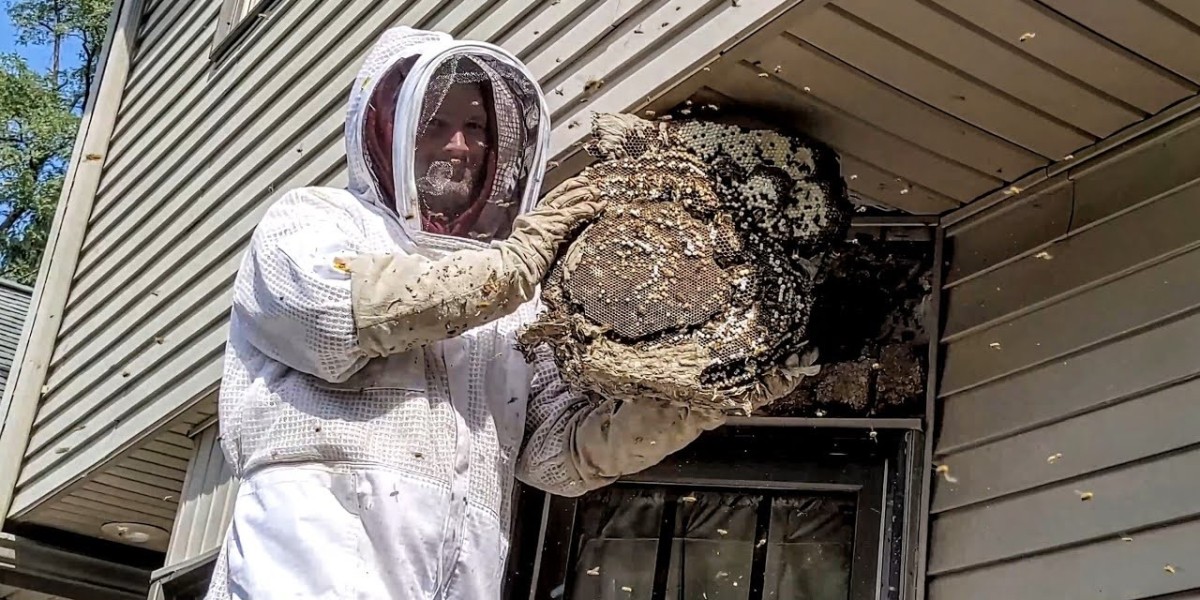


Understanding Bee Swarms
Bee swarms can appear suddenly around homes, gardens, trees, fences, and other outdoor spaces. They usually form when a colony divides and a group of bees temporarily gathers while searching for a new nesting location. Although a swarm may look intimidating, bees are often focused on protecting their queen and finding shelter. Understanding their behavior can help property owners respond calmly and avoid unnecessary risks.
Recognizing a Bee Swarm
A bee swarm often appears as a dense cluster of bees attached to a tree branch, fence, building surface, or another structure. Bee Swarm Removal Services in Cranford NJ can help property owners address these situations when a swarm gathers near an entrance, walkway, or frequently used outdoor area. It is important to avoid disturbing the cluster because sudden movement or interference may cause defensive behavior.
Why Professional Removal Matters
Trying to remove a swarm without suitable experience or equipment can create unnecessary risks. Spraying chemicals, hitting the cluster, or attempting to move it without proper protection may disturb the bees. Professional removal focuses on assessing the situation and selecting an appropriate method. This can help reduce the chance of stings while addressing the presence of bees around the property.
Understanding Where Bees Gather
Bee swarms may settle in locations that provide temporary shelter from wind, rain, and direct sunlight. Common gathering spots include tree branches, shrubs, fences, roof edges, and exterior structures. If the bees remain in one place, they may eventually establish a more permanent nesting location. Identifying the exact area and observing the swarm from a safe distance can help determine the next steps.
Keeping People and Pets Away
When a swarm appears, residents should keep children and pets away from the affected area. Avoid touching the bees, throwing objects at them, or using water to force them away. People with known sting allergies should take particular care and avoid approaching the cluster. Keeping a reasonable distance gives the bees less reason to become defensive while allowing the situation to be assessed.
Choosing Experienced Removal Assistance
Selecting suitable assistance is important when bees gather close to a home or business. A Trusted bee removal company should be able to explain its assessment process, available removal methods, and approach to protecting people and property. Property owners can ask about experience with swarm situations, whether relocation is possible, and what precautions should be followed before and after the service.
Understanding Humane Removal Options
Honeybees play an important role in pollination, which supports many plants and agricultural crops. When practical and legally permitted, relocation may be considered as an alternative to extermination. The appropriate approach depends on the bee species, swarm location, accessibility, and condition of the colony. A knowledgeable professional can explain whether relocation is suitable for the specific situation.
Preventing Future Nesting Problems
After a swarm has been removed, property owners may want to review nearby areas for conditions that could attract future nesting. Open gaps, unused cavities, and accessible spaces around exterior structures can provide shelter for some bee colonies. Inspecting these areas and addressing suitable entry points may help reduce future nesting opportunities without disturbing beneficial insects unnecessarily.
Protecting the Exterior of Your Property
Bee activity around buildings may draw attention to openings in walls, rooflines, sheds, or other structures. However, sealing an opening while bees are still inside can create additional problems. Any suspected nesting area should be evaluated before repairs begin. Once the situation has been addressed, suitable maintenance can help prevent unwanted access to vulnerable spaces.
What to Expect During a Removal Visit
A removal visit generally begins with an assessment of the swarm's location, size, and accessibility. The professional may also consider nearby foot traffic, pets, and possible entry points. Based on these details, an appropriate removal plan can be discussed. Property owners should follow the instructions provided and avoid disturbing the affected area until the work has been completed.
Responding to Bee Activity Around Businesses
Bee swarms near commercial entrances, outdoor seating areas, parking spaces, or customer walkways can create concerns for employees and visitors. Businesses should restrict access to the affected area and communicate any necessary precautions. Arranging an appropriate assessment can help determine how to address the swarm while minimizing disruption to normal activities and protecting people who use the property.
Keeping Your Property Safe Around Bees
Bee swarms should be handled carefully rather than disturbed or approached without protection. Keeping people at a safe distance, identifying the gathering location, and seeking suitable professional assistance can help make the situation more manageable. With an appropriate removal plan and attention to possible nesting areas, property owners can address immediate concerns while recognizing the important role bees play in the environment.







