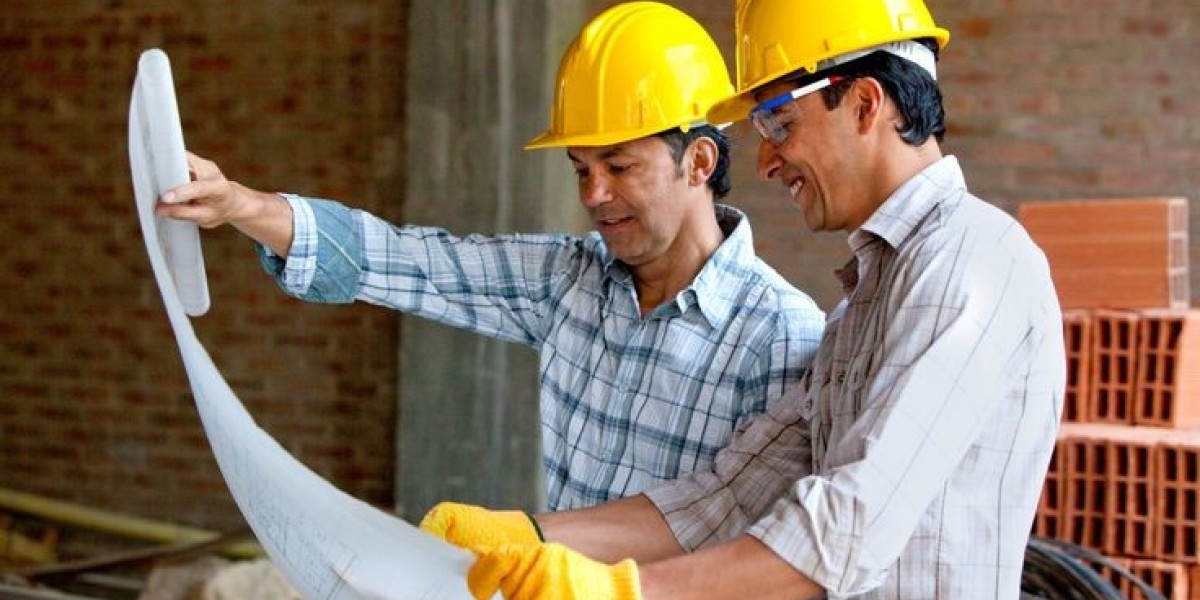


The Value of Planning Before Construction
Building or renovating a home involves many decisions that can affect the project's schedule, cost, and final results. Preparing before physical work begins helps property owners understand their requirements and identify potential challenges. A well-organized planning process also makes communication easier between homeowners, designers, contractors, and other professionals involved in the project.
Understanding Pre-Construction Planning
Pre-construction planning covers the activities that take place before construction starts. Residential Pre-Construction Services in Washington DC can help homeowners organize important project details, including initial assessments, budgeting, scheduling, material considerations, and coordination. Addressing these areas early helps establish a clearer direction and reduces the likelihood of avoidable confusion once work begins.
Defining Your Project Goals
Every residential project starts with a purpose. Some homeowners want to expand their living space, while others may plan a kitchen renovation, bathroom upgrade, basement improvement, or complete home construction. Defining the main goals helps determine the project's scope and priorities. It is also useful to identify which features are essential and which improvements can be considered optional.
Evaluating the Property and Site
A property should be reviewed before construction plans are finalized. Existing structures, access points, drainage conditions, soil characteristics, and nearby utilities may influence the work. For renovation projects, the condition of walls, foundations, roofing, and other building components also deserves attention. A site evaluation helps identify practical limitations and provides useful information for developing realistic construction plans.
Developing a Realistic Budget
Budget planning is an important part of preparing for residential construction. Costs may include labor, materials, permits, design work, equipment, and site preparation. Homeowners should also consider a contingency allowance for unexpected conditions that may arise during the project. Comparing estimates and reviewing what each proposal includes can make it easier to understand expenses and avoid unclear expectations.
Working With a Qualified Contractor
Choosing the right professional can influence how efficiently a residential project moves forward. A General Contractor in Washington DC can help coordinate construction activities, communicate with tradespeople, and manage different stages of the work. Homeowners should review relevant experience, licensing requirements, insurance, project references, and written agreements before making a decision. Clear responsibilities and communication are important throughout the process.
Reviewing Design and Material Choices
Design decisions should reflect the homeowner's needs, property conditions, and available budget. Floor plans, room layouts, lighting, storage, finishes, and exterior features may all need consideration before construction begins. Material selection also affects appearance, durability, maintenance, and cost. Reviewing samples and specifications early can reduce last-minute changes and help maintain consistency throughout the project.
Understanding Permits and Building Requirements
Residential construction often involves permits, inspections, and compliance with local building requirements. The approvals needed depend on the type, size, and location of the project. Homeowners should confirm which permits apply before work begins and understand any restrictions that may affect the design or schedule. Addressing these requirements during planning helps avoid unnecessary delays and complications.
Establishing a Construction Schedule
A practical schedule outlines the major stages of the project and how they depend on one another. Planning may include design approval, permitting, ordering materials, site preparation, construction, and final inspections. Some tasks cannot begin until earlier work is complete. Allowing reasonable time for approvals, deliveries, and possible adjustments helps create more realistic expectations for project completion.
Coordinating Different Construction Activities
Residential projects may involve electricians, plumbers, carpenters, roofers, painters, and other specialists. Their work needs to be arranged in a suitable order so that one stage does not interfere with another. Proper coordination helps reduce scheduling conflicts and repeated work. Establishing clear communication channels also makes it easier to address questions and review progress as construction moves forward.
Preparing for Changes and Unexpected Conditions
Even carefully planned projects can encounter unexpected challenges. Hidden structural damage, material availability, weather conditions, or changes in homeowner preferences may affect the original plan. Discussing how adjustments will be reviewed and approved can help prevent misunderstandings. Written records of changes, costs, and schedule updates provide a clearer reference for everyone involved in the project.
Maintaining Communication During Preparation
Homeowners should have a clear understanding of project decisions before construction starts. Regular discussions about design details, budget expectations, responsibilities, and scheduling help keep everyone aligned. Important questions should be addressed before work begins rather than left until the construction stage. Good communication creates a stronger foundation for cooperation and helps property owners feel more confident about the upcoming work.
Building a Strong Foundation for Success
Residential construction becomes more manageable when important decisions are made before the first stage of physical work. Careful planning, realistic budgeting, property evaluation, and contractor coordination all contribute to a more organized process. By reviewing these details in advance, homeowners can prepare for potential challenges and move toward a finished space that reflects their needs and expectations.







