

Why Kitchen Remodeling Matters
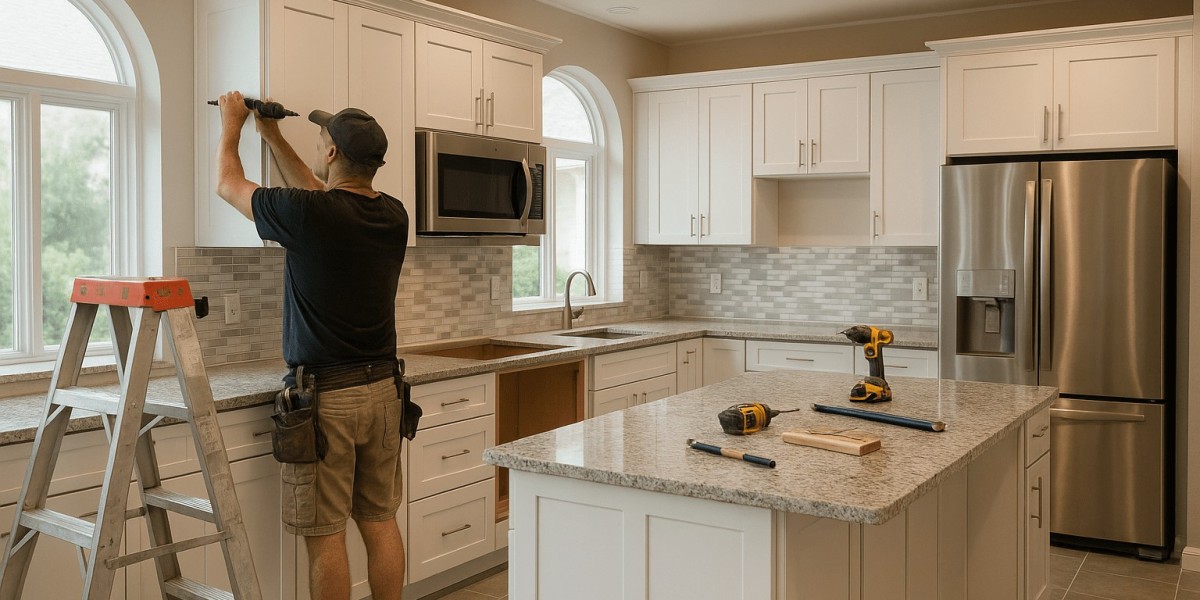
The kitchen is one of the most frequently used areas of a home. It serves as a place for preparing meals, gathering with family, and completing everyday household tasks. Over time, outdated layouts, worn surfaces, limited storage, or aging fixtures can make the space less convenient. Remodeling provides an opportunity to improve its appearance, functionality, and overall comfort.
Planning Your Kitchen Renovation
A successful renovation begins with understanding what needs to change. Kitchen Remodeling Company in Mandeville LA can help homeowners explore improvements based on their available space, preferences, and project goals. Before making design decisions, consider which parts of the kitchen create daily difficulties. Identifying these priorities helps establish a clear direction and makes it easier to plan the work.
Improving the Kitchen Layout
The arrangement of cabinets, appliances, countertops, and work areas affects how comfortably a kitchen functions. A poorly planned layout may create unnecessary movement or make meal preparation difficult. Reviewing the relationship between the sink, stove, and refrigerator can help improve workflow. The available floor space, doorway locations, and household routines should all influence the final layout.
Choosing Cabinets That Provide Better Storage
Cabinets have a major influence on both kitchen appearance and organization. Homeowners can consider different styles, finishes, colors, and storage configurations to match their needs. Deep drawers, adjustable shelves, corner storage, and built-in organizers can make better use of available space. Selecting suitable cabinet materials is also important because kitchen surfaces experience frequent use, moisture, and temperature changes.
Selecting Durable Countertops
Countertops need to balance appearance with everyday practicality. Different materials offer different levels of durability, maintenance requirements, and design flexibility. Some homeowners prefer natural stone for its distinctive patterns, while others choose engineered surfaces or laminate for different budgets and preferences. Before selecting a countertop, consider how often the kitchen is used and what type of maintenance will be manageable.
Exploring Complete Remodeling Solutions
A kitchen renovation may involve several connected improvements, including cabinetry, flooring, lighting, plumbing fixtures, countertops, and appliance placement. Remodeling Solutions can help homeowners consider how these elements work together rather than treating each change separately. A coordinated plan can create a more consistent design and help ensure that individual improvements support the overall purpose of the renovation.
Updating Kitchen Lighting
Lighting affects the kitchen's appearance, comfort, and usability. General ceiling lights provide overall illumination, while task lighting can make food preparation areas easier to use. Pendant fixtures may add visual interest above an island or dining counter. Combining different lighting types allows homeowners to create a balanced environment that supports everyday activities and makes the space feel more welcoming.
Choosing Suitable Flooring
Kitchen flooring should withstand regular foot traffic, spills, and frequent cleaning. Tile, vinyl, hardwood, and other flooring materials offer different advantages depending on the household's requirements. Water resistance, surface texture, durability, and maintenance should all be considered before making a selection. The chosen flooring should also complement cabinets, countertops, and the overall design of the kitchen.
Making Better Use of Available Space
Not every kitchen has enough room for a large island or extensive cabinetry. However, thoughtful design can help improve the use of limited space. Vertical storage, compact appliances, pull-out organizers, and carefully positioned shelves may provide additional convenience. Keeping frequently used items within easy reach can also make daily tasks more efficient without overcrowding the room.
Considering Appliances and Fixtures
Appliances and fixtures should be selected according to the kitchen's layout and household needs. Refrigerators, ovens, dishwashers, sinks, and faucets all require suitable placement and connections. Their dimensions should be reviewed before cabinets and countertops are finalized. Planning these details early can reduce fitting problems and help create a kitchen where essential features work together comfortably.
Establishing a Realistic Remodeling Budget
A clear budget helps homeowners make practical decisions throughout the renovation. Costs may include materials, labor, appliances, fixtures, permits, and unexpected repairs discovered during the project. It is useful to separate essential improvements from optional upgrades and compare estimates carefully. Allowing some flexibility in the budget can help manage unexpected expenses without compromising important parts of the renovation.
Preparing for the Remodeling Process
Before work begins, homeowners should understand the expected schedule and how construction may affect their daily routines. Moving kitchen items, protecting nearby rooms, and arranging temporary meal preparation space can make the renovation period easier to manage. Discussing project stages, material deliveries, and access arrangements in advance also helps reduce confusion during construction.
Creating a More Functional Kitchen
A well-planned kitchen renovation can improve storage, workflow, lighting, and visual appeal. The best results come from considering how each design choice supports everyday needs while fitting the home's overall style. By setting clear priorities, choosing suitable materials, and planning each stage carefully, homeowners can create a kitchen that remains practical, comfortable, and attractive for years to come.







