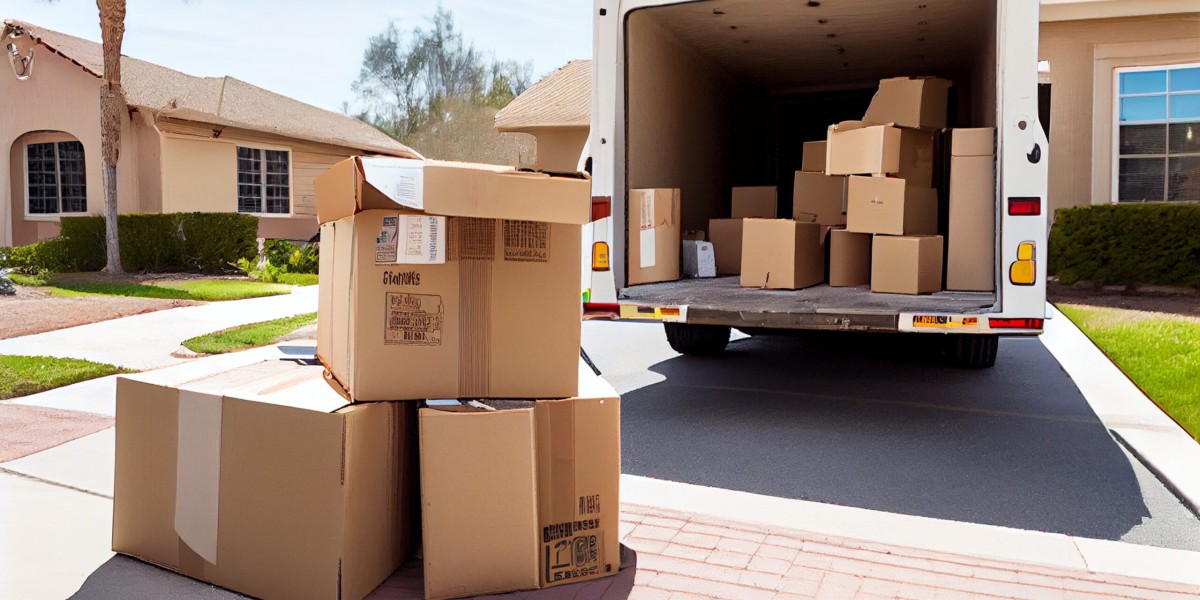


Start Planning Before Moving Day
A successful move begins with preparation rather than last-minute decisions. Even a small household can involve furniture, appliances, personal belongings, paperwork, and items that require special care. Creating a plan early gives you time to organize each task, gather supplies, and decide what needs attention first. A clear schedule also helps prevent unnecessary confusion as moving day approaches.
Organize Your Relocation Around Your Needs
Choosing Moving Services in Falls Church VA can help make the relocation process more manageable, especially when you have several rooms of belongings to transport. Consider the size of your household, the distance between properties, and any large or delicate items that require extra attention. Understanding these needs early makes it easier to plan the move and communicate your expectations.
Create a Practical Moving Checklist
A checklist helps turn a large project into smaller tasks that are easier to complete. Start with important responsibilities such as confirming your moving date, arranging transportation, collecting packing materials, and notifying relevant service providers about your address change. Divide the remaining work by room so you can track progress without overlooking everyday belongings or important documents.
Sort Belongings Before Packing
Moving is a useful opportunity to review what you own and decide which items are worth taking to your next property. Separate belongings into categories such as keep, donate, sell, recycle, and discard. Reducing unnecessary items can save packing time and make loading more efficient. It also helps you begin life in your new home with a cleaner, more organized space.
Choose Packing Materials Carefully
Different belongings need different levels of protection during transportation. Strong boxes are useful for books and household supplies, while bubble wrap, packing paper, and protective covers can help safeguard fragile objects. Avoid filling boxes beyond a manageable weight, particularly when packing dishes, tools, or other dense items. Using suitable materials reduces the chance of damage during handling and travel.
Label Every Box Clearly
Clear labels make unpacking much easier because they show where each box belongs and what it contains. Write the destination room on multiple sides so the information remains visible when boxes are stacked. You can also mark containers holding fragile belongings or items that should be opened first. A consistent labeling system saves time and helps everyone involved handle possessions more carefully.
Protect Furniture and Large Household Items
Furniture often requires additional preparation because of its size, weight, and construction. Remove loose shelves, detachable legs, and other parts when appropriate, keeping small hardware in labeled bags. Cover exposed surfaces with suitable protective materials to reduce scratches and dents. Before moving large pieces, measure narrow hallways, doorways, staircases, and entrances to identify possible access problems.
Keep Important Items Within Reach
Some belongings should remain separate from general moving boxes. Identification, financial documents, keys, medication, chargers, basic toiletries, and essential clothing may be needed immediately after arrival. Pack these items in a clearly marked personal bag or container that stays accessible. Keeping necessities together prevents the frustration of searching through several boxes when you need something important.
Prepare Appliances and Electronics
Household appliances and electronic equipment need proper preparation before transportation. Follow the manufacturer's instructions when disconnecting, cleaning, or securing individual items. Remove loose accessories and keep cables together with their corresponding devices. Refrigerators, washing machines, televisions, and computers may have specific handling requirements, so avoid rushing these tasks. Proper preparation helps protect equipment and makes installation at the new property easier.
Confirm the Moving Arrangements
Good communication helps prevent misunderstandings on moving day. Confirm the scheduled date, arrival window, pickup and delivery addresses, access instructions, and any special handling requirements. Discuss unusually heavy furniture, delicate belongings, stairs, parking limitations, or restricted building access in advance. Reviewing these details helps everyone understand the work involved and reduces the likelihood of unexpected delays.
Make Moving Day Easier to Manage
Keep walkways clear and group packed boxes in an accessible area whenever possible. Make sure children and pets remain away from busy loading spaces, and keep essential documents and personal belongings separate. Before leaving, check closets, cabinets, storage areas, bathrooms, and outdoor spaces. A final walkthrough can help prevent forgotten items and give you confidence that the property is ready.
Settle Into Your New Property Gradually
Unpacking does not have to happen all at once. Begin with the kitchen, bathroom, bedrooms, and other spaces needed for daily routines. Assemble essential furniture and locate important supplies before focusing on decorations or less frequently used belongings. Breaking the work into manageable stages helps reduce fatigue and allows you to organize each room according to how you actually use it.
Build Better Habits for Future Moves
A well-organized relocation depends on preparation, communication, and attention to detail. Starting early, sorting possessions, using suitable packing materials, and protecting important belongings can make the process more predictable. Keep useful records and note any challenges you encounter so future relocations can be planned more effectively. With realistic expectations and a structured approach, settling into a different home can become a smoother experience.







