

Why Carpet Condition Matters
Carpet contributes to the comfort, appearance, and overall feel of an indoor space. Over time, regular foot traffic, furniture movement, and changes in indoor conditions can affect how carpet sits on the floor. Wrinkles, ripples, and loose areas can make rooms look untidy and create potential tripping hazards. Recognizing these issues early can help prevent further wear.
Recognizing When Carpet Needs Attention
Professional Home Carpet Stretching Services can help correct carpet that has become loose, uneven, or rippled. You may notice raised sections, waves across the floor, or areas that no longer sit firmly against the edges of a room. These problems can develop gradually, so checking carpet condition periodically helps homeowners decide when corrective work may be needed.
Common Causes of Loose Carpet
Carpet can loosen for several reasons. Heavy furniture may shift its position, while repeated walking can gradually affect how tightly it remains secured. Poor installation, inadequate initial stretching, and changes in indoor temperature or humidity can also contribute to wrinkles. Understanding the cause is important because simply pushing raised sections down will not necessarily correct the underlying problem.
Why Wrinkles Should Not Be Ignored
Loose carpet is more than a cosmetic concern. Raised areas can catch shoes, create uneven walking surfaces, and make everyday movement less comfortable. Continued foot traffic may also place additional stress on the carpet fibers and backing. Addressing the problem before it becomes more widespread can help maintain a safer floor and reduce the likelihood of needing more extensive repairs.
Understanding the Stretching Process
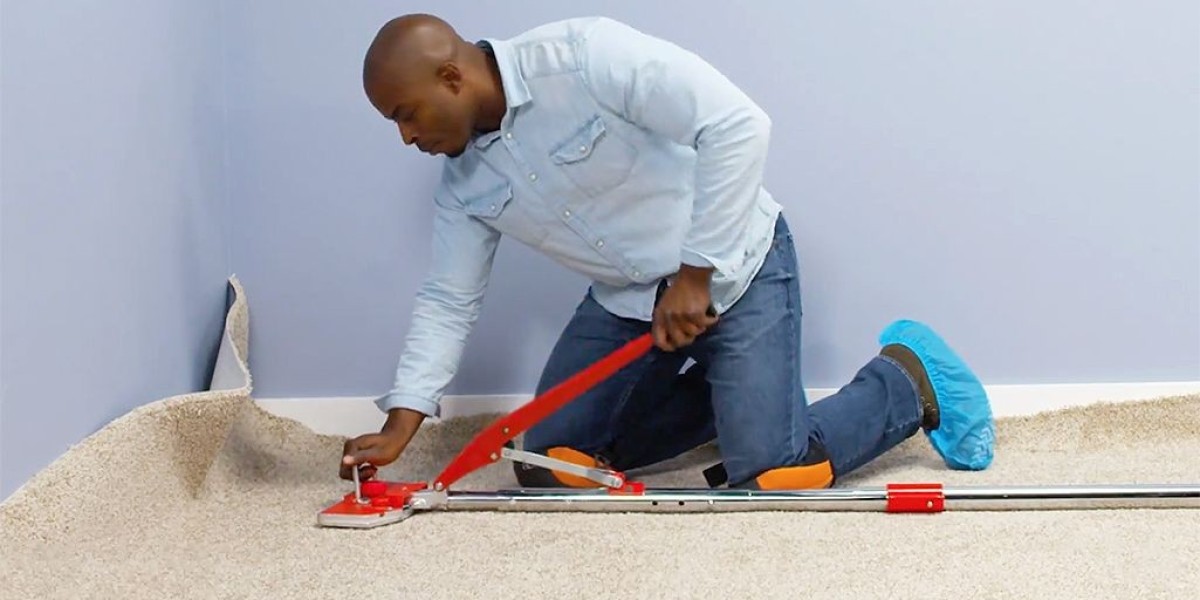
Carpet stretching involves loosening the carpet from its secured edges, removing excess slack, and pulling the material evenly across the floor. The carpet is then secured again so it lies flatter and fits the room more appropriately. Depending on the condition and layout, professionals may use specialized equipment to achieve consistent tension without unnecessarily damaging the material.
The Importance of Proper Equipment
Carpet stretching requires more than basic household tools. Professionals commonly use equipment such as power stretchers, knee kickers, carpet cutters, and suitable fastening tools. Each has a specific purpose during the process. Using appropriate equipment helps control tension, position the carpet correctly, and secure its edges. Improper tools or techniques can leave uneven results or damage the carpet backing.
Choosing Qualified Help for the Job
When comparing Licensed Carpet Professionals, consider their experience with stretching, repair methods, and different carpet types. Ask whether they can inspect the affected area, explain the recommended approach, and identify any existing damage that may influence the work. Clear communication helps you understand what the project involves and whether stretching alone is likely to address the problem.
Inspection Before Stretching Begins
A careful inspection helps determine why the carpet has developed wrinkles and whether the existing material is suitable for stretching. The condition of the backing, padding, seams, tack strips, and surrounding flooring may all matter. If the carpet is torn, severely worn, or affected by moisture, additional repairs or a different solution may be necessary before stretching can produce a satisfactory result.
Preparing the Room for Service
Preparing the work area can make the appointment more efficient. Remove smaller belongings, decorations, and items that could obstruct access to the carpet. Larger furniture may also need to be moved depending on the room and the work being performed. Discuss preparation requirements beforehand so you know what to expect and can provide enough clear space for the necessary equipment.
What Happens After the Carpet Is Stretched
Once stretching is complete, the carpet should appear flatter and fit more evenly across the room. The technician may trim excess material, secure the edges, and check the finished surface for remaining ripples. It is useful to inspect the repaired areas before furniture is returned. Ask about any recommendations for allowing the carpet to settle and protecting the completed work.
Maintaining Carpet After Repair
Regular care can help preserve the improved appearance of stretched carpet. Vacuum consistently, use suitable cleaning methods, and avoid dragging heavy furniture across the surface. Furniture pads can reduce friction and pressure when items need to be moved. Address spills promptly using products appropriate for the carpet material, and avoid excessive moisture that could affect the backing or padding.
When Stretching May Not Be Enough
Not every carpet problem can be solved through stretching. Extensive staining, worn fibers, damaged backing, persistent odors, or deteriorated padding may require separate repairs or replacement. A professional assessment can help distinguish between a loose installation and material that has reached the end of its useful life. Knowing the difference can prevent spending money on a repair that will not solve the actual issue.
Protecting the Look of Your Flooring
Well-maintained carpet can make a home feel cleaner, more comfortable, and more inviting. Paying attention to early signs of loosening, choosing suitable repair methods, and following basic maintenance practices can help preserve its condition. With careful assessment and proper workmanship, carpet stretching can restore a smoother surface and improve the usability of rooms throughout the home.







