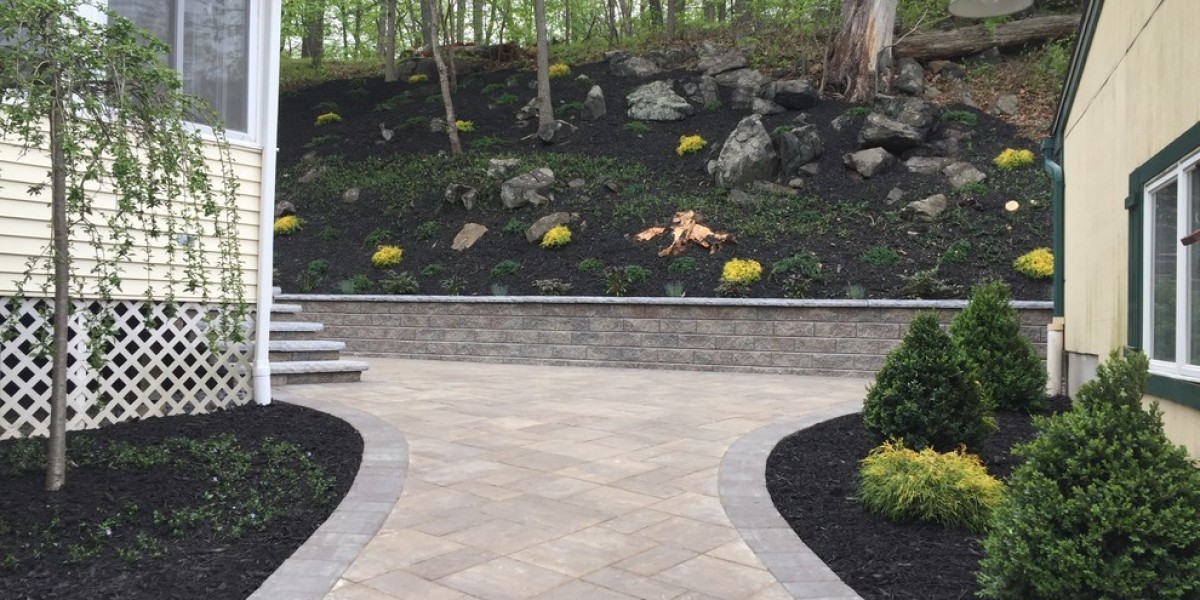


Make Your Outdoor Areas More Inviting
Outdoor spaces can add comfort, beauty, and practical value to a residential property. A well-designed patio provides a place to relax, entertain guests, or enjoy time with family, while attractive walkways make different areas of the yard easier to access. Combining thoughtful installation with consistent upkeep helps create an outdoor environment that remains useful and appealing throughout the seasons.
Plan a Layout That Fits Your Property
Professional Patio and walkway installation Dexter MI begins with understanding the property's layout and how the outdoor space will be used. Consider where people enter the yard, how they move between the house and garden, and whether you need room for seating or outdoor dining. A practical layout should complement the existing landscape while providing convenient routes and comfortable gathering areas.
Choose Materials for Appearance and Durability
The materials selected for a patio or walkway influence its appearance, maintenance needs, and long-term performance. Concrete pavers, natural stone, brick, and other suitable surfaces offer different textures, colors, and design possibilities. Consider how each material will look beside your home's exterior and surrounding plants. Choosing an appropriate surface helps create a consistent design that suits the property's overall character.
Prepare the Ground Properly
A lasting outdoor surface depends on proper preparation beneath it. The installation area generally needs to be measured, cleared, excavated, and graded before the base materials are placed. Adequate preparation helps establish a stable foundation and supports proper drainage. Skipping these steps can contribute to uneven surfaces, shifting materials, or water collecting where it should not.
Consider Drainage Before Installation
Water management is an important part of outdoor construction. Patios and walkways should be planned with suitable slopes so rainwater can move away from the home and other vulnerable areas. Poor drainage may contribute to standing water, soil erosion, and movement beneath the installed surface. Evaluating the property's natural grade before work begins helps reduce these potential problems.
Design Walkways for Everyday Use
A walkway should provide a comfortable and convenient route through the property. Think about its width, direction, surface texture, and connection to entrances, patios, driveways, or garden areas. Curved paths can create a softer landscape appearance, while straight designs often provide a clean and direct route. A well-positioned walkway improves accessibility and gives the outdoor layout a more organized feel.
Keep Outdoor Areas Looking Their Best
Consistent Landscape Maintenance helps preserve the appearance and usability of the spaces surrounding patios and walkways. Grass, shrubs, trees, planting beds, and decorative features all need attention as they grow and change. Regular care can prevent overgrowth from blocking paths, reduce the buildup of leaves and debris, and keep the property looking organized throughout the year.
Maintain Plants and Garden Beds
Healthy landscaping requires attention to the specific needs of different plants. Regular trimming can control growth, remove damaged branches, and maintain a neat appearance. Garden beds may also need weeding, fresh mulch, and seasonal planting. Choosing plants suited to local growing conditions can make long-term care more manageable while adding color, texture, and natural interest around outdoor living spaces.
Protect Patios and Walkways From Wear
Outdoor surfaces experience changing weather, foot traffic, dirt, and moisture. Sweeping regularly helps remove leaves, soil, and other debris that can collect between pavers or across paved areas. Periodic cleaning can also help address stains and organic buildup. Follow suitable care instructions for the installed material, since harsh cleaning products or improper methods may affect its finish.
Address Small Problems Before They Grow
Minor outdoor issues can become more noticeable when left unattended. Loose pavers, widening joints, cracked sections, and areas where water collects should be inspected when they appear. Early attention may help prevent additional movement or deterioration. The appropriate repair depends on the surface material, the condition of its foundation, and whether drainage or surrounding soil is contributing to the problem.
Prepare the Landscape for Seasonal Changes
Outdoor maintenance needs often change throughout the year. Spring is a useful time to clear winter debris, inspect paved areas, and prepare planting beds. During warmer months, mowing, watering, and trimming may require more frequent attention. Fall cleanup can reduce leaf buildup, while seasonal preparation helps protect plants and outdoor surfaces before colder weather arrives.
Combine Function and Visual Appeal
Patios, walkways, and landscaping work best when they are planned as parts of one outdoor design. Matching materials, coordinating colors, and positioning plants carefully can create a balanced appearance. Lighting, seating, and decorative borders may also improve how the space is used after installation. A coordinated approach helps connect different parts of the property without making the yard feel crowded.
Preserve Your Outdoor Investment
A comfortable and attractive outdoor environment requires both sound installation and ongoing attention. Proper ground preparation, suitable materials, effective drainage, and regular landscape care all contribute to a space that can serve your household for years. By addressing maintenance needs and repairing minor issues promptly, property owners can keep patios, walkways, and surrounding greenery looking welcoming and functional.







