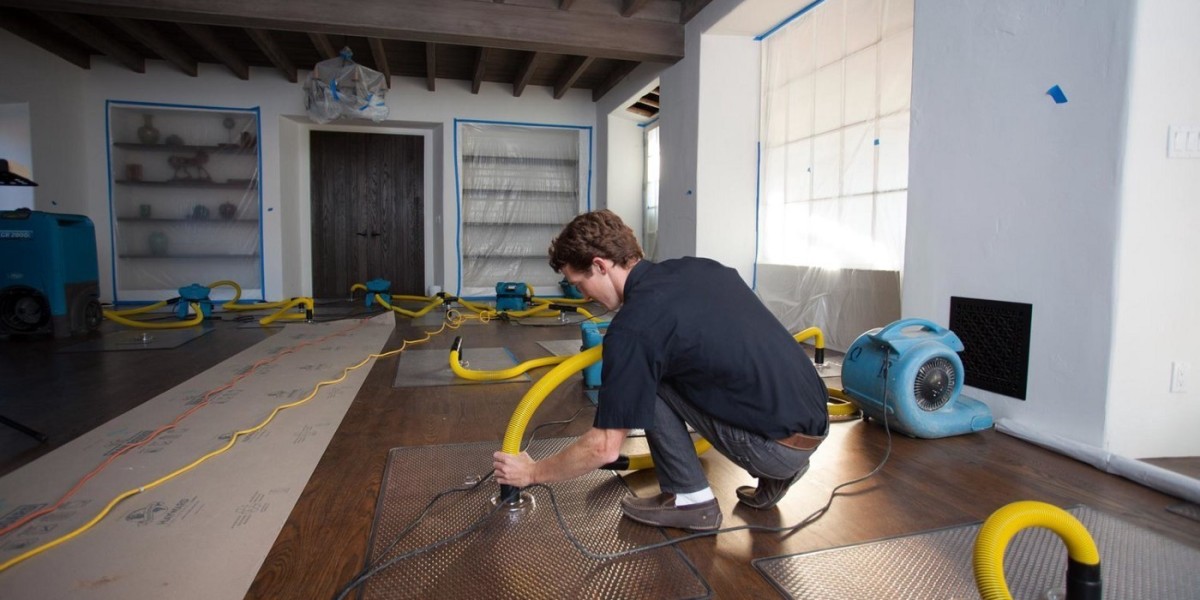


Understand the Importance of Building Restoration
Buildings experience gradual wear from weather, moisture, daily use, and aging materials. Over time, these conditions can affect exterior surfaces, structural components, roofing, and interior spaces. Restoration helps address deterioration while improving the property's condition and appearance. A well-planned project can preserve useful features, correct existing problems, and help extend the service life of a residential or commercial building.
Assess the Condition of the Property
Before beginning Building restoration Bronx NY, it is important to understand which areas require attention. An assessment may include exterior walls, foundations, roofs, windows, doors, staircases, and interior finishes. Visible cracks, water stains, loose masonry, peeling paint, and damaged surfaces can indicate underlying concerns. Identifying these issues early helps property owners determine the appropriate scope of work.
Identify Structural Concerns Early
Structural components support the building and help maintain its stability. Problems involving foundations, load-bearing walls, beams, columns, or other essential elements should be evaluated carefully. Cracks, shifting, sagging, and unusual movement may require further investigation. Addressing structural concerns before cosmetic improvements is important because covering visible damage without understanding its cause can lead to additional problems.
Restore Exterior Walls and Masonry
Exterior walls protect buildings from weather while contributing to their overall appearance. Brickwork, stone, concrete, and mortar joints can deteriorate through moisture exposure, temperature changes, and natural aging. Restoration may involve repairing damaged sections, replacing deteriorated materials, and renewing mortar joints where appropriate. Matching the existing materials and appearance can help maintain the property's original character.
Repair Roofing and Water Damage
A damaged roof can allow water to enter the building and affect ceilings, walls, insulation, and other interior components. Restoration work may include replacing damaged roofing materials, repairing flashing, addressing drainage issues, and correcting vulnerable areas around roof openings. Water damage should be investigated beyond the visible stain because moisture can travel and affect concealed materials.
Improve Windows, Doors, and Exterior Details
Windows and doors contribute to building security, energy performance, and protection from outside conditions. Aging frames, damaged seals, loose hardware, and deteriorated surrounding materials may reduce their effectiveness. Restoration can involve repairing existing components or replacing elements that are no longer serviceable. Maintaining suitable exterior details also helps protect the building from drafts and water intrusion.
Choose an Experienced Construction Team
Working with a dependable Construction company Bronx NY can help coordinate restoration activities and manage the different stages of a project. Depending on the property's needs, work may involve masonry, concrete repairs, roofing, carpentry, painting, and interior improvements. Discuss the proposed scope, material choices, estimated schedule, and responsibilities before work begins to establish clear expectations.
Plan the Restoration Process Carefully
A restoration project should follow a logical sequence so that repairs are completed without unnecessary rework. Structural and moisture-related concerns generally need attention before decorative finishes. Demolition, material removal, repairs, installation, and finishing should be coordinated according to the project's requirements. Proper scheduling also helps manage access, deliveries, equipment, and disruption to people using the property.
Address Moisture and Drainage Problems
Water is one of the common causes of building deterioration. Poor drainage, leaking pipes, damaged roofs, and gaps around exterior openings can allow moisture to affect building materials. Repairs should address the source rather than only treating visible stains or damaged finishes. Appropriate drainage improvements, sealing, and ventilation can help reduce recurring moisture problems.
Upgrade Interior Areas Where Needed
Restoration may also provide an opportunity to improve interior spaces. Damaged drywall, worn flooring, outdated fixtures, deteriorated ceilings, and inefficient layouts can affect the comfort and usability of a property. Repairs should be selected according to the building's condition and intended use. Coordinating interior improvements with necessary structural and exterior work can create a more consistent result.
Follow Applicable Building Requirements
Construction and restoration projects may involve permits, inspections, safety rules, and specific material requirements. The applicable requirements depend on the type of property and the work being performed. Before starting, property owners should confirm which approvals are necessary and ensure that specialized work is handled by appropriately qualified professionals. Following these requirements helps protect occupants and supports responsible project completion.
Maintain the Property After Restoration
Restoration does not eliminate the need for ongoing maintenance. Periodic inspections can help identify new cracks, roof damage, loose masonry, drainage concerns, and deteriorating exterior finishes. Cleaning gutters, checking seals, monitoring moisture, and repairing minor defects can reduce the risk of more extensive damage. Keeping records of completed work also makes future maintenance easier to organize.
Protect the Building for the Future
A successful restoration project combines careful assessment, suitable materials, skilled workmanship, and consistent planning. Addressing underlying problems instead of focusing only on visible improvements helps support lasting results. Whether the goal is to improve safety, preserve architectural details, or renew worn spaces, a thoughtful approach can help maintain the building's usefulness, appearance, and long-term value.







