

Keep Your Walkways Safe and Accessible
Sidewalks provide important walking routes around homes, commercial properties, and public spaces. Over time, exposure to weather, ground movement, tree roots, and regular foot traffic can cause concrete surfaces to crack or become uneven. Damaged walkways can affect accessibility and create tripping hazards. Replacing deteriorated sections helps restore a smoother walking surface while improving the property's overall appearance.
Recognize When Concrete Needs Replacement
Property owners considering Sidewalk Replacement Services in Yonkers NY should first understand the condition of their existing pavement. Small surface imperfections may sometimes be repaired, but extensive cracking, significant displacement, crumbling concrete, and repeated damage can indicate that replacement is more appropriate. A careful assessment helps determine whether individual sections or a larger portion of the walkway needs attention.
Understand the Causes of Sidewalk Damage
Concrete sidewalks face several conditions that can affect their durability. Seasonal temperature changes may cause expansion and contraction, while water entering small cracks can contribute to further deterioration. Tree roots may also push sections upward, creating uneven surfaces. Heavy loads, poor drainage, and an inadequate original base can increase the likelihood of premature damage.
Evaluate the Area Before Construction
A proper sidewalk project begins with an inspection of the existing surface and surrounding property. Contractors may evaluate the walkway's dimensions, slope, drainage, soil conditions, nearby trees, and access points. Underground utilities should also be considered before excavation begins. Understanding these conditions helps determine the preparation required and reduces the possibility of unexpected complications during construction.
Remove Deteriorated Concrete Carefully
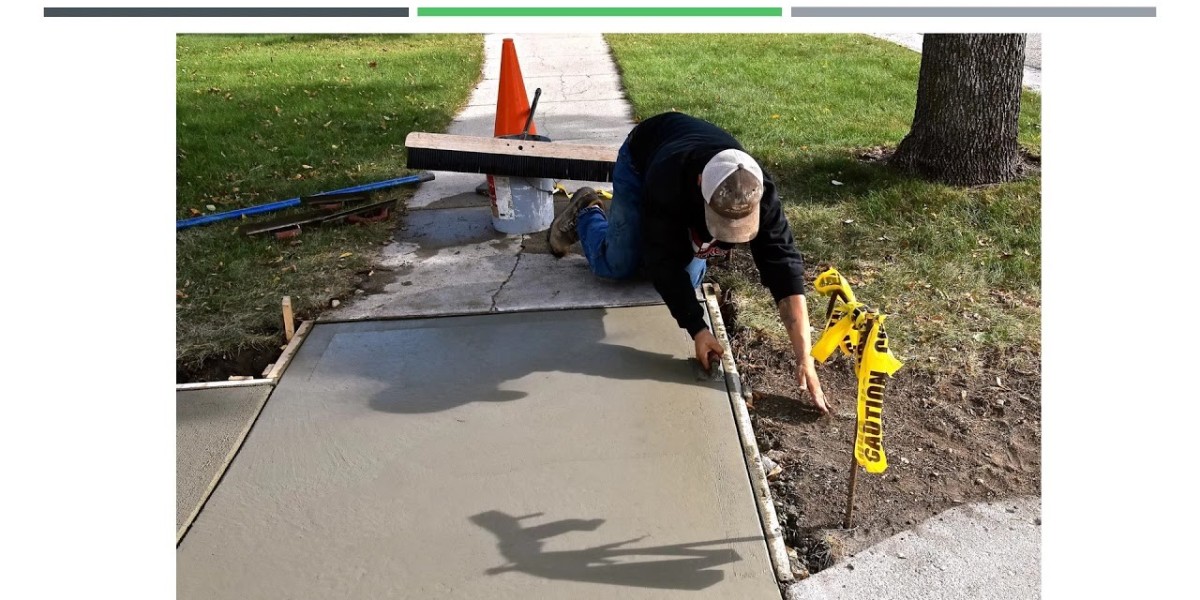
Replacing a sidewalk generally involves removing the damaged concrete before preparing the area for a new installation. Existing sections may need to be broken into manageable pieces and cleared from the work zone. Careful removal helps protect nearby landscaping, structures, and underground services. The area should then be checked for unstable soil or other conditions that could affect the new surface.
Prepare a Stable Foundation
The base beneath a sidewalk plays an important role in its long-term performance. After excavation, the soil may need to be graded, compacted, and supplemented with suitable base material. A stable foundation helps distribute weight and reduce uneven settling. Proper preparation also supports the planned slope, allowing water to drain rather than collecting on the finished walkway.
Work With an Experienced Construction Team
Choosing a Trusted Construction Company in Yonkers NY can help property owners coordinate the different stages of a sidewalk project. Discuss the condition of the existing pavement, the proposed replacement area, material choices, and expected schedule before work begins. Clear communication helps establish expectations and makes it easier to understand how the construction process will affect access to the property.
Consider Proper Slope and Drainage
A sidewalk should provide a comfortable walking surface while directing water away from buildings and other vulnerable areas. Incorrect grading can lead to puddles, water flowing toward foundations, or slippery conditions during colder weather. Contractors should account for the surrounding terrain and applicable requirements when establishing the finished elevation. Good drainage planning helps protect both the walkway and nearby property.
Understand the Importance of Expansion Joints
Concrete naturally expands and contracts as temperatures change. Expansion and control joints help manage this movement and guide where cracking is more likely to occur. Their placement and construction should suit the sidewalk's dimensions and surrounding conditions. Proper joint planning can reduce random cracking and help maintain a more organized appearance as the concrete responds to seasonal changes.
Allow Concrete to Cure Properly
Freshly placed concrete needs adequate time to cure and develop strength. During this period, the surface should be protected from unnecessary foot traffic, heavy loads, and conditions that may interfere with curing. The required waiting time depends on the concrete mixture, weather, and project specifications. Following the contractor's instructions helps reduce the risk of premature surface damage.
Maintain the New Sidewalk
Regular maintenance can help preserve the condition of a replacement sidewalk. Remove leaves, dirt, and debris before they accumulate, and pay attention to cracks, joint deterioration, or areas where water collects. Avoid using unsuitable chemicals or aggressive cleaning methods that may damage the concrete. Addressing minor concerns early can help prevent them from developing into more extensive repairs.
Consider Accessibility and Local Requirements
Sidewalk construction may be subject to local standards involving width, slope, surface condition, curb connections, and pedestrian access. Requirements can vary depending on the property's location and the nature of the work. Before construction, property owners should check whether permits or inspections are necessary. Planning around applicable standards helps create a walkway that is practical and compliant.
Invest in a More Reliable Walking Surface
A properly replaced sidewalk can improve pedestrian safety, accessibility, and the appearance of a property. Careful assessment, stable base preparation, appropriate concrete placement, effective drainage, and proper curing all contribute to a durable result. With suitable workmanship and routine care, a new walkway can provide a dependable route for everyday use while supporting the property's long-term condition.







