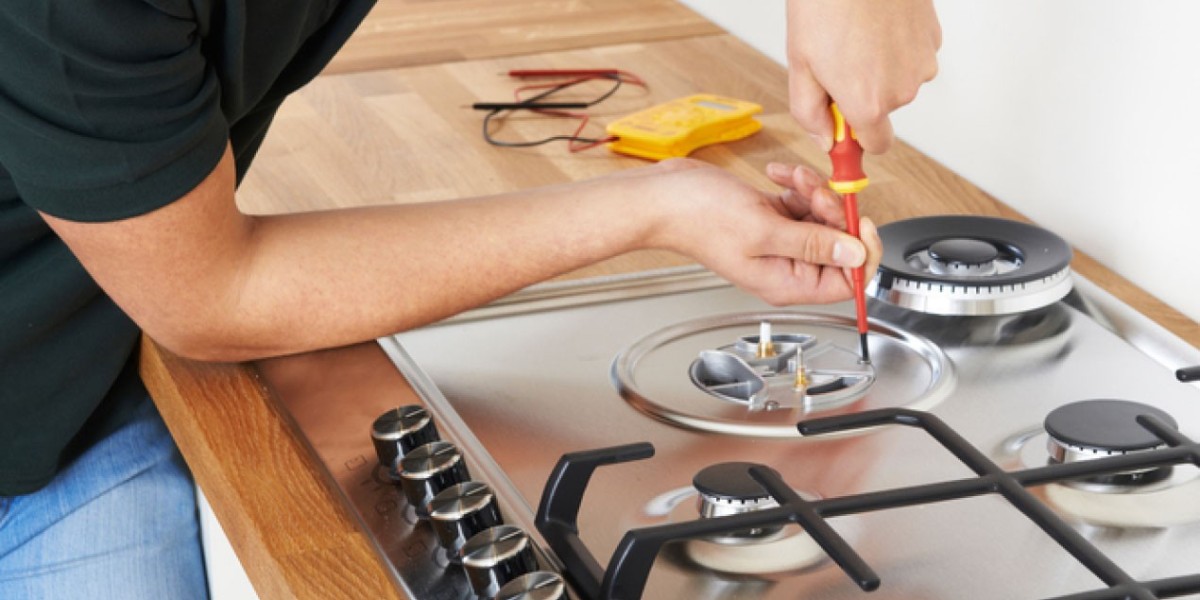


The Importance of a Reliable Stove
A stove is one of the most frequently used appliances in many households. It supports everyday cooking, meal preparation, and family routines. When it stops heating properly, produces unusual sounds, or develops control problems, normal kitchen activities can become inconvenient. Paying attention to changes in performance helps homeowners recognize potential issues and arrange appropriate attention before they become more disruptive.
Recognize Common Stove Problems
Professional Residential Stove System Services Cooper City FL can help address different issues affecting household cooking equipment. A stove may have burners that fail to heat, uneven cooking temperatures, unresponsive controls, or an oven that does not maintain its selected temperature. These symptoms can result from electrical faults, worn components, ignition problems, or other appliance-related concerns that require proper diagnosis.
Understand Electric Stove Issues
Electric stoves rely on heating elements, wiring, switches, and control components to produce and regulate heat. If a burner does not turn on or heats inconsistently, the problem may involve a damaged element, faulty connection, or malfunctioning control switch. Repeatedly using a burner that behaves unusually is not advisable. A qualified technician can inspect the system and identify the source of the problem.
Address Gas Stove Ignition Problems
Gas stoves use an ignition system to light burners and provide controlled heat. Clicking sounds without ignition, delayed lighting, or burners that repeatedly go out may indicate a problem with the igniter, burner assembly, or gas supply. If you smell gas, avoid operating electrical switches or creating flames, leave the area, and contact the appropriate emergency gas service.
Keep Burner Performance Consistent
Uneven flames or inconsistent heating can make cooking difficult. Food may cook too slowly in one area while becoming overheated in another. Dirty burner openings, damaged components, or problems with heat regulation may contribute to these symptoms. Allow the appliance to cool before performing basic cleaning, and follow the manufacturer's instructions to avoid damaging burner parts or affecting their operation.
Know When Professional Diagnosis Is Needed
Stoves combine heat-producing components with electrical or gas systems, so troubleshooting requires appropriate knowledge. A technician may inspect heating elements, ignition components, thermostats, wiring, switches, and control boards depending on the appliance type. Proper diagnosis helps distinguish between a simple component issue and a more complicated fault, reducing the risk of unnecessary repairs or repeated service visits.
Choose an Experienced Repair Provider
Selecting a dependable Appliance Repair Company can make it easier to address stove problems with a clear repair plan. Consider the provider's experience with your appliance type, diagnostic approach, service communication, and familiarity with replacement components. Before approving work, ask what the inspection has identified, which repairs are recommended, and whether any additional issues may affect the appliance's performance.
Understand the Importance of Compatible Parts
Replacement components should match the stove's manufacturer, model, and technical requirements. Using an incompatible heating element, ignition part, switch, or thermostat can affect operation and may create additional problems. The appliance model number is usually available on a label attached to the unit or described in its documentation. Providing this information can help identify suitable parts before repair work begins.
Maintain Your Stove Regularly
Routine care helps keep cooking equipment clean and supports consistent performance. Remove food spills after the appliance has cooled, clean removable burner components according to manufacturer guidance, and keep control areas free from grease buildup. Avoid pouring water into electrical openings or using harsh products on sensitive surfaces. Simple cleaning habits can reduce residue accumulation and make developing problems easier to notice.
Pay Attention to Oven Temperature
An oven that cooks food unevenly or takes unusually long to reach the selected temperature may need inspection. Possible causes include thermostat problems, heating element damage, faulty sensors, or issues with the control system. Using an oven thermometer can help identify noticeable temperature differences, but persistent problems should be evaluated by a qualified professional rather than managed through repeated temperature adjustments.
Follow Safe Cooking Appliance Practices
Keep combustible materials, paper products, and kitchen towels away from hot surfaces. Do not leave cooking unattended for extended periods, and make sure ventilation areas remain unobstructed. If a stove sparks, produces unusual burning odors, or shows signs of electrical damage, stop using it and arrange professional attention. Gas-related concerns should be handled by qualified personnel following appropriate safety procedures.
Decide Between Repair and Replacement
Whether to repair or replace a stove depends on its age, overall condition, efficiency, and the cost of the required work. A relatively minor component failure may be worth repairing, while repeated breakdowns or extensive damage may make replacement more practical. Reviewing the appliance's condition and comparing the available options helps homeowners make an informed decision without rushing into unnecessary spending.
Keep Your Kitchen Running Smoothly
A dependable stove makes everyday meal preparation more convenient and supports a comfortable household routine. Regular cleaning, attention to unusual performance changes, compatible replacement parts, and appropriate professional diagnosis all contribute to reliable operation. Addressing problems promptly can help protect the appliance, reduce unnecessary disruption, and keep the kitchen functioning as expected.







