

Modern vehicles are complex marvels of engineering, relying on thousands of interconnected components to deliver a smooth, reliable, and safe driving experience. While most drivers are highly attuned to the health of their engine, transmission, and brakes, there is one crucial component that frequently goes unnoticed until it fails catastrophically: the differential. Nestled beneath your vehicle, the differential works tirelessly to ensure your wheels rotate at the correct speeds, particularly when navigating turns.
Ignoring the health of this vital mechanical assembly can lead to severe drivability issues, dangerous road conditions, and exorbitant repair bills. Understanding how this system works and learning to recognize the early warning signs of failure can save you a tremendous amount of time, money, and stress. In this comprehensive guide, we will explore the anatomy of the differential, the most common symptoms of failure, and how to source the right replacement parts when the time comes to make a repair.
Understanding the Role of the Differential
Before diving into the symptoms of a failing differential, it is important to understand exactly what this component does. When your vehicle travels in a straight line, the wheels on the left and right sides spin at the exact same speed. However, when you take a corner, the wheels on the outside of the turn have a longer distance to travel than the wheels on the inside of the turn. If both wheels were locked together on a single, solid axle, the inside wheel would be forced to slip, skip, or drag along the pavement to keep up with the outside wheel.
The differential solves this physics problem. By utilizing a complex arrangement of ring gears, pinion gears, and spider gears, the differential splits the engine’s torque and allows the driving wheels to rotate at different speeds while still receiving power.
Depending on your vehicle’s drivetrain, you may have one or more differentials. Rear-wheel-drive vehicles have a differential located on the rear axle. Front-wheel-drive vehicles integrate the differential into the transmission housing, creating what is known as a transaxle. All-wheel-drive (AWD) and four-wheel-drive (4WD) vehicles have a front differential, a rear differential, and often a center differential or transfer case to manage power between the front and rear axles.
Because of the immense friction and heavy mechanical loads placed on these gears, they are submerged in thick, specialized gear oil. Over time, however, the fluid can break down, seals can leak, and the heavy metal gears can wear out.
Top Signs of a Failing Differential
When a differential begins to wear out, it will usually give you several warning signs. The key is knowing what to look, listen, and feel for. If you experience any of these bad differential symptoms, it is crucial to have your vehicle inspected immediately.
1. Unusual Whining or Howling Noises
The most common and immediate indicator of differential trouble is noise. Because the differential is essentially a heavy-duty gearbox, worn-out gear teeth or failing bearings will produce distinct auditory cues.
Whining During Acceleration: If you hear a high-pitched whine that gets louder as you press the gas pedal, it is often a sign that the pinion gears or pinion bearings are wearing out.
Howling During Deceleration: If the noise shifts to a howl when you take your foot off the gas and let the vehicle coast, the issue is likely related to a loose pinion-bearing preload or worn ring gear teeth.
Rumbling at High Speeds: A low-pitched rumble that becomes noticeable at speeds over 20 miles per hour frequently points to failing carrier bearings.
These noises occur because the precision alignment between the gears has been compromised. When gear teeth no longer mesh perfectly, the resulting friction creates sound vibrations that echo through the vehicle's undercarriage.
2. Clunking or Banging When Shifting
If you hear a distinct "clunk" or "bang" when shifting your vehicle from park to drive, or from drive to reverse, you may have excessive clearance (known as backlash) between the ring and pinion gears. This happens when the gears have worn down significantly, leaving a gap. When the transmission engages, the driveshaft spins and forcefully slams the gears together across that gap, resulting in a loud clunk. While worn U-joints can also cause this symptom, a worn differential is a frequent culprit that requires immediate mechanical attention.
3. Vibrations in the Drivetrain
A healthy differential operates smoothly. If you begin to feel a vibration that radiates through the floorboards or down the center of the vehicle, it could indicate that the driveshaft is unbalanced due to a failing differential flange, or that the internal gears are severely chipped and grinding against each other. Unlike a tire imbalance, which usually causes a vibration in the steering wheel at specific speeds, a differential vibration is often felt through the chassis and worsens as you apply torque by accelerating.
4. Difficulty Handling and Cornering
Since the primary function of the differential is to facilitate smooth turning, any internal binding will immediately impact your vehicle's handling. If you notice that your car feels resistant to turning, or if it feels like the vehicle is skipping, dragging, or juddering through corners, the differential gears are likely binding up. In advanced stages of failure, the differential may lock completely, causing the tires to chirp and drag across the pavement even during slow, wide turns in a parking lot.
5. Burning Smells and Fluid Leaks
Differentials rely on thick gear oil (often 75W-90 or 80W-90 viscosity) to keep the metal-on-metal friction to a minimum. If you notice a thick, dark puddle of fluid under the center of your vehicle's axles, your differential seals or gasket have likely failed. As the fluid level drops, the gears lose their lubrication. The resulting friction generates extreme heat, effectively cooking the remaining gear oil. If you step out of your vehicle after a long drive and smell a pungent, acrid burning odor coming from the undercarriage, your differential is likely overheating due to fluid loss.
The Consequences of Ignoring Differential Issues
Driving with a failing differential is a massive gamble. The internal components are subjected to massive torque loads from the engine. If a gear tooth finally snaps, it will fall into the casing and be violently crushed by the other moving gears. This can cause the differential to lock up completely while you are driving.
An axle lock-up at highway speeds can cause you to lose control of the vehicle instantly, leading to a severe accident. Furthermore, a locked differential can send a massive shockwave of kinetic energy back up the drivetrain, potentially destroying your driveshaft, transfer case, and transmission in the process. What could have been a straightforward differential replacement can quickly escalate into thousands of dollars in collateral drivetrain damage.
Repair vs. Replacement: Finding the Right Parts
When a mechanic confirms that your differential is failing, you will be faced with a choice: rebuild the existing differential or replace it entirely. Rebuilding a differential requires specialized tools, extreme precision in setting the gear backlash, and significant labor hours. For this reason, many vehicle owners and mechanics opt to swap out the entire differential assembly with a high-quality replacement unit.
Sourcing reliable replacement parts is critical to ensuring your vehicle returns to the road safely. Whether you are driving a heavy-duty work truck or a daily commuter car, finding exact-fit Auto and Truck Parts is the first step in a successful repair. By purchasing a complete, pre-assembled differential unit, mechanics can simply unbolt the old, damaged unit and bolt the replacement directly into place, saving significant time and labor costs.
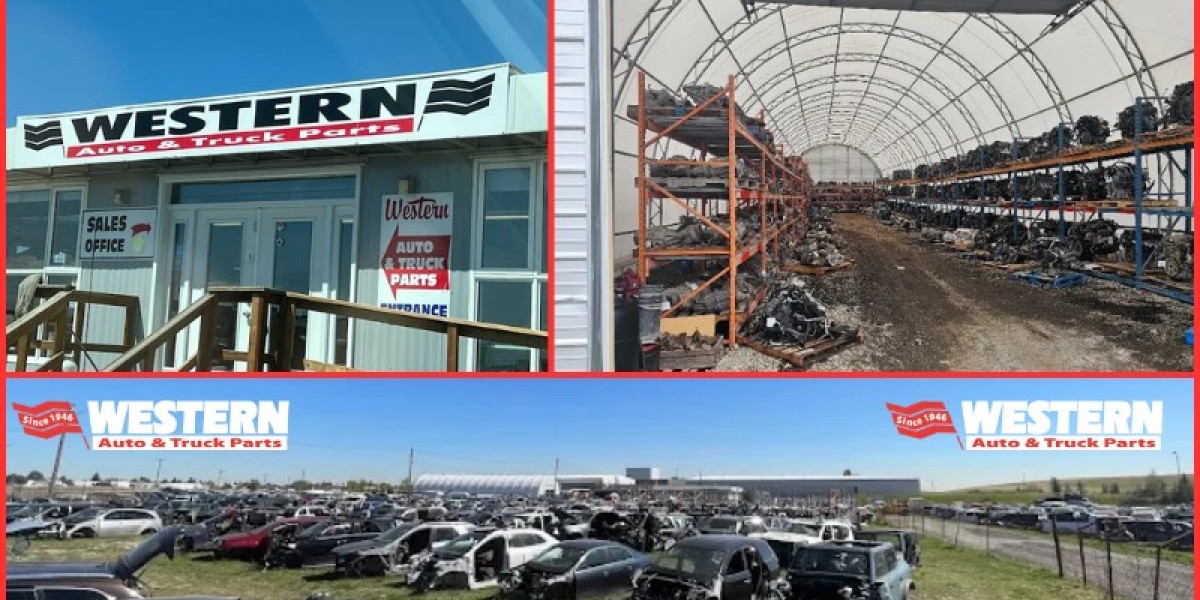
For those looking to manage repair costs without sacrificing quality, sourcing recycled or salvaged OEM components is an excellent strategy. If you are located in Alberta and require heavy-duty automotive components, seeking out top-tier Used Auto Parts in Airdrie can provide you with a factory-original differential that has been thoroughly inspected and verified for performance. OEM used parts often feature better metal casting and durability than cheap, aftermarket knock-offs, ensuring your vehicle performs exactly as the manufacturer intended.
Maintaining Your Drivetrain for the Long Haul
The best way to deal with differential problems is to prevent them from occurring in the first place. Routine maintenance is your greatest defense against mechanical failure. Consult your owner's manual for the recommended differential fluid service intervals. Most manufacturers recommend draining and refilling the gear oil every 30,000 to 50,000 miles, though vehicles used for heavy towing or off-roading may require more frequent servicing.
By paying close attention to the sounds, smells, and handling characteristics of your vehicle, you can catch differential wear before it leads to a catastrophic breakdown. If you recognize any of the warning signs discussed above, do not wait for the problem to resolve itself—because it won't. Protect your vehicle’s drivetrain by acting promptly and partnering with a trusted supplier like Western Auto and Truck to find the premium components you need to get back on the road safely and smoothly.







