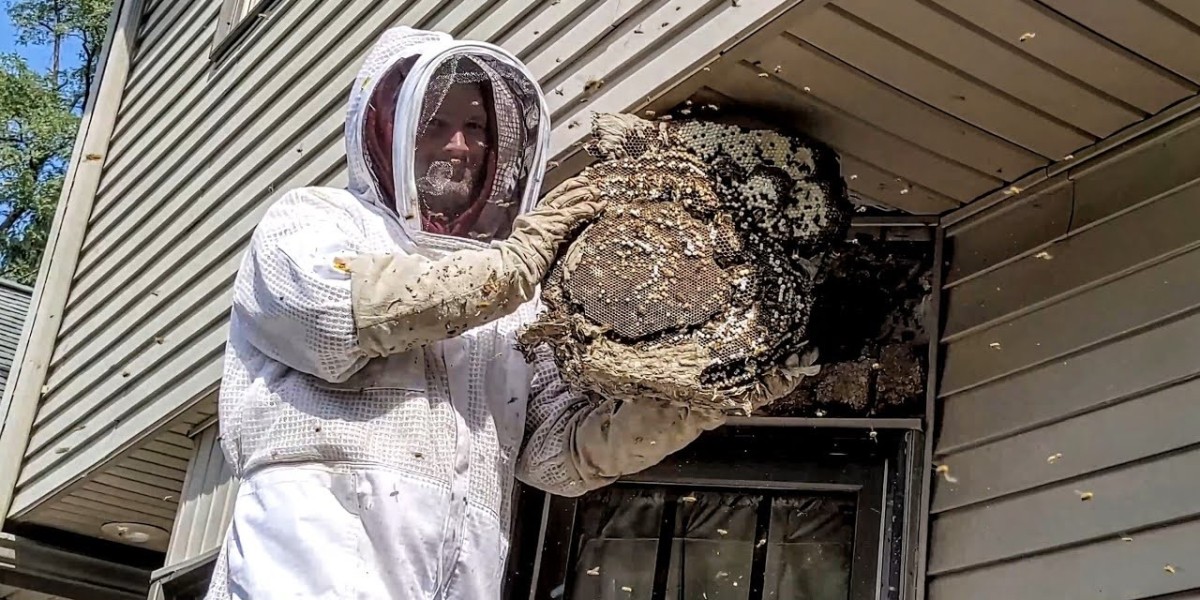


Understand the Impact of Bee Activity
Bees play an important role in the environment through pollination, but their presence in certain commercial areas can create safety concerns. Nests near entrances, loading areas, walkways, outdoor seating, or employee spaces may increase the risk of unwanted encounters. Businesses should address concerning activity carefully, especially when customers, staff, or visitors regularly use the affected areas.
Identify Signs of a Bee Problem
Businesses considering Commercial Bees Extermination Services Fort Wayne IN should first understand the type and extent of the activity. Frequent bee movement around one location, visible nesting activity, or repeated sightings near building openings may indicate a nearby colony. Observing where bees enter and exit can help professionals locate the affected area and determine an appropriate response.
Understand Why Bees Gather Around Buildings
Commercial properties can attract bees for several reasons. Flowering plants, water sources, sheltered spaces, and small openings in exterior structures may provide suitable conditions for their activity. Roof edges, wall cavities, sheds, and other protected locations can sometimes become nesting areas. Identifying the factors attracting bees can help businesses understand the problem and reduce conditions that encourage future activity.
Recognize Potential Workplace Safety Concerns
Bee activity near busy entrances or pedestrian routes can make employees and visitors uncomfortable. People with bee sting allergies may face particularly serious risks from an encounter. Businesses should avoid disturbing visible colonies or allowing untrained staff to attempt removal. Restricting access to the affected area and arranging an appropriate professional assessment can help reduce unnecessary exposure.
Locate Nesting Areas Carefully
Finding the source of bee activity is an important part of addressing the problem. Bees may enter through narrow gaps, roof openings, damaged siding, vents, or other exterior spaces. Simply removing visible insects may not resolve the issue if the colony remains inside a concealed location. A careful inspection helps determine where activity originates and what work may be required.
Choose an Appropriate Removal Approach
Different situations require different responses. The type of bee, nesting location, colony size, and surrounding environment can all influence the recommended method. Because bees are important pollinators, relocation may be preferable when practical and safe. Professional assessment helps determine whether a qualified beekeeper or pest specialist is best suited to handle the situation.
Work With Experienced Pest Specialists
Choosing Professional Pest Control Services can help commercial property owners manage unwanted insect activity through a structured approach. A qualified provider should assess the affected location, explain the recommended treatment or removal method, and discuss precautions for employees and visitors. Businesses should also ask about follow-up inspections and any steps needed to prevent activity from returning.
Protect Employees and Customers During Service
Planning is important when pest-related work takes place at a commercial property. The affected section may need temporary access restrictions, warning signs, or adjusted pedestrian routes. Inform employees about the work schedule and make sure visitors are directed away from the area. Clear communication helps reduce confusion and allows normal business activities to continue where it is safe.
Address Openings and Exterior Access Points
After the colony has been safely addressed, property owners should consider whether building openings contributed to the problem. Damaged screens, gaps around pipes, loose siding, and openings near rooflines may provide access for insects. Repairs should be completed only after confirming that the nesting area is no longer active. Sealing an occupied cavity prematurely can create additional complications.
Maintain Clean and Attractive Outdoor Areas
Routine property maintenance can help reduce conditions that attract insects. Keep outdoor trash containers covered, clean food and beverage spills promptly, and avoid leaving sugary materials exposed. Inspect landscaping for areas that may require attention, especially near entrances and customer seating. These practices cannot prevent every bee encounter, but they can help keep commercial surroundings cleaner and easier to manage.
Schedule Follow-Up Inspections
Some situations may require additional monitoring after removal or treatment. Follow-up inspections can help determine whether bee activity has stopped and whether any overlooked access points remain. Businesses should report renewed activity rather than attempting to handle it independently. Keeping records of previous nesting locations and completed repairs can also support future property maintenance decisions.
Create a Long-Term Pest Management Plan
Commercial properties benefit from consistent attention to building conditions, landscaping, sanitation, and insect activity. A maintenance plan can include periodic exterior inspections, prompt repairs, proper waste management, and clear procedures for reporting pest concerns. Taking a proactive approach helps businesses respond to problems earlier and maintain more comfortable surroundings for employees, customers, and visitors.
Maintain a Safer Commercial Environment
Managing bee activity requires a careful balance between protecting people and considering the environmental importance of pollinators. Identifying the nesting location, choosing a suitable removal method, securing access points, and maintaining the property can all contribute to a better outcome. With appropriate professional support and ongoing attention, businesses can address bee concerns while keeping their premises welcoming and functional.







