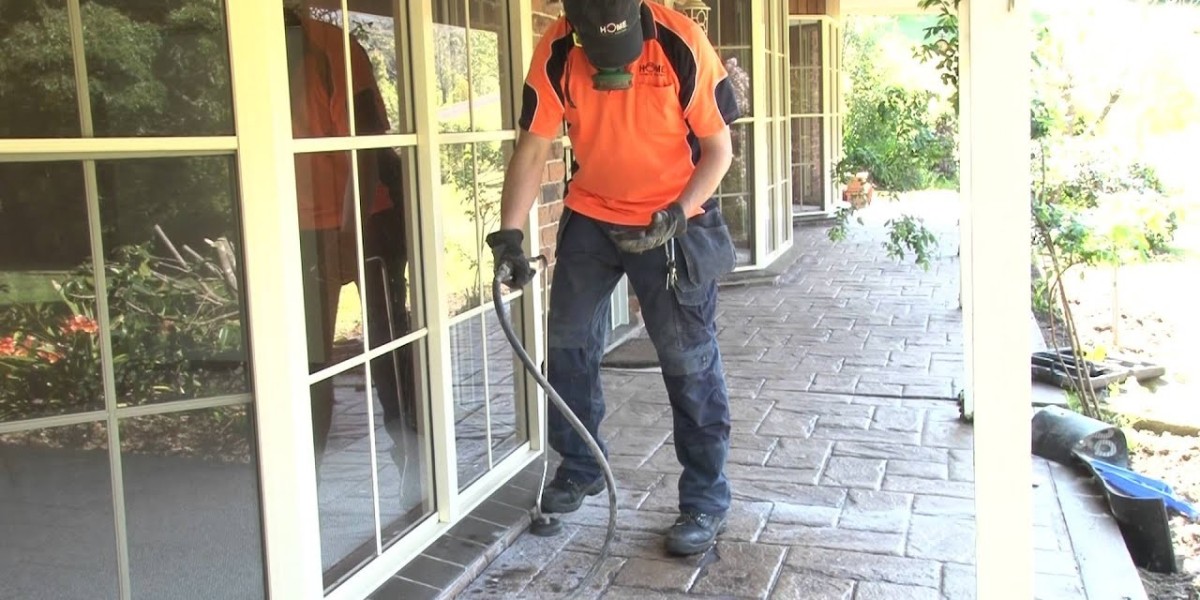


Understand the Threat of Termite Activity
Termites can cause serious damage to buildings by feeding on wood and other cellulose-based materials. Because much of their activity happens behind walls, beneath floors, or inside wooden structures, an infestation may remain unnoticed for a long time. Recognizing early warning signs and arranging a proper inspection can help property owners address the problem before damage becomes more extensive.
Recognize the Signs of an Infestation
Homeowners searching for Termite Removal near Me in Raleigh NC should know what signs may indicate termite activity. Mud tubes along foundations, hollow-sounding wood, discarded wings near windows, and damaged wooden surfaces can all deserve attention. Some signs may be difficult to identify without experience, so a professional assessment can help determine whether termites are present and where they may be active.
Understand Why Termites Enter Buildings
Termites are attracted to materials containing cellulose, including wood, paper, and certain plant-based products. Moisture can also contribute to conditions that make some areas more appealing to them. Wood touching soil, leaking plumbing, damp crawl spaces, and poorly maintained drainage areas may increase the risk of termite activity around a property. Reducing these conditions is an important part of prevention.
Learn About Different Types of Termites
Different termite species can behave in different ways and require different treatment approaches. Subterranean termites commonly establish colonies in soil and may enter buildings through foundations or other concealed openings. Drywood termites can live inside suitable wooden materials without direct contact with soil. Identifying the species helps determine where to inspect and which treatment methods may be appropriate.
Schedule a Thorough Property Inspection
A detailed inspection is an important first step in managing a termite problem. Professionals may examine foundations, basements, crawl spaces, wooden framing, window areas, and other locations where activity could develop. They may also look for moisture concerns and visible damage. Finding the source and extent of an infestation helps create a treatment plan based on the property's actual condition.
Choose Experienced Pest Control Specialists
Working with Termite Exterminators Company can help property owners address termite concerns through appropriate inspection and treatment procedures. When evaluating a provider, consider its experience, treatment methods, communication, and willingness to explain the findings. Ask what areas require attention, how the proposed solution works, and whether additional inspections or follow-up visits will be recommended.
Understand Available Treatment Methods
Termite treatments depend on the species, infestation location, building structure, and extent of the problem. Some approaches involve treating soil around foundations, while others may target affected wood or specific entry points. Professionals may recommend different methods for localized activity and widespread infestations. The treatment plan should explain its purpose, limitations, preparation requirements, and any necessary precautions.
Address Moisture and Wood-to-Soil Contact
Managing moisture can help make a property less attractive to termites. Repair leaking pipes, improve drainage, and address persistent dampness in basements or crawl spaces. Firewood, untreated lumber, and wooden debris should be stored away from the building and kept off the ground when possible. Avoid allowing soil or mulch to remain in direct contact with exposed wooden structural components.
Protect Wooden Structures During Repairs
Termite damage may affect floor supports, wall framing, door frames, and other wooden components. Treatment can help address the infestation, but damaged materials may still require repair or replacement. Have affected structures evaluated before covering them with new finishes. Repairing weakened wood and correcting the conditions that contributed to the infestation helps restore the property's condition and reduce future concerns.
Follow Safety Instructions During Treatment
Pest control products must be handled according to their labels and applicable safety requirements. Depending on the treatment, residents may need to keep children, pets, or other occupants away from specific areas for a recommended period. Follow all preparation and re-entry instructions provided by the professional. Never apply chemicals to structural areas or living spaces without understanding the product's intended use.
Arrange Follow-Up Monitoring
Termite management may require more than one visit, depending on the treatment and infestation. Follow-up inspections can help determine whether activity has stopped and whether additional measures are necessary. Property owners should report new mud tubes, discarded wings, or signs of fresh wood damage. Keeping inspection records and treatment details also helps track the property's condition over time.
Make Termite Prevention Part of Property Care
Regular maintenance can help reduce the likelihood of future termite problems. Inspect accessible wooden areas, maintain gutters, direct rainwater away from the foundation, and repair damaged exterior surfaces. Pay attention to crawl spaces, basements, and locations where moisture collects. Periodic professional inspections can provide additional reassurance, particularly when a property has previously experienced termite activity.
Preserve Your Property With Timely Action
Termites can affect a building's structural materials without creating obvious signs at first. Early identification, suitable treatment, moisture management, and follow-up monitoring all contribute to effective long-term protection. By taking warning signs seriously and maintaining the property regularly, homeowners can reduce the risk of extensive damage and help preserve the safety, condition, and value of their buildings.







