

Start Your Move With an Organized Plan
Moving into a new home involves more than getting belongings from one location to another. Once the truck arrives, furniture, boxes, and household essentials need to be unloaded and placed safely. Having a clear plan can make this stage less stressful and help prevent unnecessary delays. Preparation also allows everyone involved to understand their responsibilities.
Understand the Unloading Process
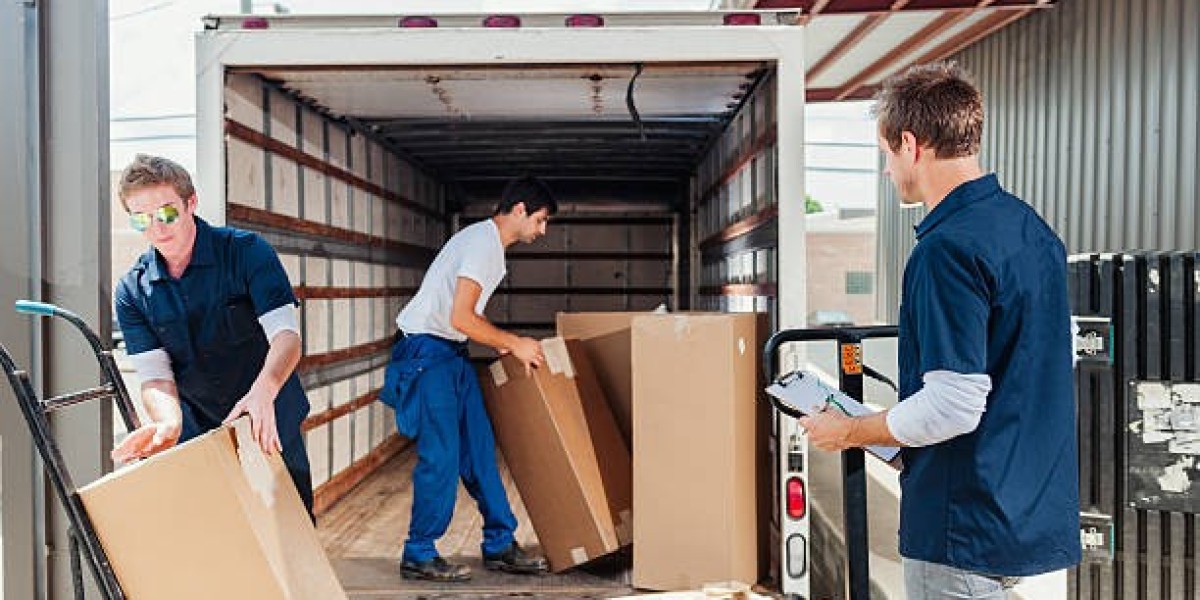
Unloading requires coordination, careful handling, and an organized approach. Heavy furniture, fragile boxes, and everyday household items may all need different handling methods. Unloading Services Fort Worth TX can help residents manage this important stage of relocation by providing assistance with moving belongings from the vehicle into the property. Proper organization makes it easier to keep track of items and reduce confusion.
Prepare the Property Before Arrival
Before the moving truck reaches its destination, prepare the home for incoming belongings. Clear hallways, doorways, staircases, and other access points so workers can move items without unnecessary obstacles. If possible, clean the rooms and decide where large furniture will go. A prepared property helps the unloading process move more smoothly and reduces the need to rearrange items repeatedly.
Organize Boxes by Room
Labeling boxes before moving day can save considerable time during unloading. Mark each box with its destination room and a brief description of its contents. Separate kitchen supplies, bedroom items, bathroom essentials, and living room belongings. Clear labels help ensure that boxes are placed in the correct areas instead of being stacked randomly throughout the house.
Handle Heavy Furniture Carefully
Large furniture pieces often require extra planning because of their weight, size, and shape. Sofas, beds, dining tables, and cabinets may need to be carried by more than one person. Before moving them inside, check doorways, staircases, and hallway measurements. Proper lifting techniques and coordinated movement can help reduce the risk of injuries and accidental property damage.
Protect Fragile Household Items
Glassware, electronics, mirrors, decorations, and other delicate belongings need careful attention. Keep these items in clearly marked boxes with suitable protective materials. During unloading, avoid placing heavy containers on top of fragile packages. Designating a safe area for delicate belongings can also prevent them from getting mixed with heavier household items.
Plan the Placement of Large Items
Deciding where furniture should go before unloading begins can make the process more efficient. Consider room dimensions, electrical outlets, walking space, and access to windows or storage areas. A basic furniture layout can help workers place items correctly the first time. This reduces unnecessary lifting and makes it easier to begin organizing the home after the truck is empty.
Consider Professional Moving Assistance
Relocation can involve packing, loading, transportation, unloading, and arranging household belongings. Moving Services Fort Worth TX may help residents coordinate different stages of the process based on their needs. Before arranging assistance, discuss the size of the move, property access, heavy items, and expected schedule. Clear communication helps everyone understand the work involved.
Keep Essential Items Accessible
Some belongings should remain easy to reach after arrival. Prepare a separate bag or box with toiletries, chargers, important documents, medications, basic kitchen supplies, and a change of clothing. Keep it away from general household boxes so it does not get misplaced during unloading. Having everyday essentials nearby can make the first evening in a new home more comfortable.
Check Items as They Come Off the Truck
Keeping track of belongings during unloading helps identify missing or damaged items sooner. Use an inventory list if one was prepared before the move. Pay attention to furniture condition, box labels, and fragile packages. If something appears damaged, document the issue and review the moving arrangements to understand the appropriate next steps.
Make Access and Scheduling Clear
Property access can affect how quickly unloading is completed. Consider parking availability, building entrances, stairs, elevators, and any restrictions that may apply. If the property has limited access, communicate these details before moving day. Confirming the expected arrival window and unloading arrangements can help prevent avoidable delays.
Organize the Home After Unloading
Once belongings are inside, begin with the rooms and items needed most often. Set up beds, arrange essential kitchen supplies, and make sure frequently used pathways remain clear. Unpack one room at a time instead of opening every box at once. This approach helps create order gradually and makes the new property feel more comfortable.
Reduce Stress Through Proper Preparation
A successful unloading process depends on preparation, communication, and careful handling. Organizing boxes, clearing access points, planning furniture placement, and keeping track of belongings can make a meaningful difference. With suitable assistance and a practical schedule, residents can manage moving day more confidently and focus on settling into their new surroundings.







