

Give Your Kitchen a New Look
A kitchen is more than a place to prepare meals. It is often a central part of daily household life, where families cook, gather, and spend time together. An outdated layout, worn surfaces, or limited storage can make the space less comfortable. Renovating the kitchen provides an opportunity to improve its appearance while making everyday activities easier.
Define Your Renovation Priorities
Before selecting materials or planning construction, identify what needs to change. Some homeowners want updated cabinets and countertops, while others need better lighting, additional storage, or a more practical layout. Complete Kitchen Renovation Services Agoura Hills CA can help homeowners approach these improvements with a clear understanding of their goals. Establishing priorities early also helps guide design and budgeting decisions.
Evaluate the Existing Layout
The current kitchen arrangement can affect how efficiently the space works. Consider whether there is enough room to prepare meals, open cabinets, and move between appliances. The relationship between the sink, refrigerator, and cooking area should support convenient movement. A well-planned layout can reduce unnecessary steps and make the kitchen more comfortable for multiple household activities.
Select Cabinets That Maximize Storage
Cabinets influence both the appearance and organization of a kitchen. When choosing replacements, think about the items that need to be stored and how frequently they are used. Deep drawers, adjustable shelves, and well-designed pantry spaces can improve accessibility. Cabinet colors, finishes, and hardware should also complement the overall design and create a consistent appearance.
Choose Countertops for Everyday Use
Countertops must handle food preparation, spills, appliances, and regular cleaning. Materials differ in durability, maintenance requirements, appearance, and cost. Homeowners should compare available options based on their daily routines rather than choosing only by appearance. A suitable countertop can provide a practical workspace while contributing to the overall style of the renovated kitchen.
Improve Flooring and Wall Finishes
Flooring and wall finishes help establish the character of the kitchen. Choose flooring that can handle regular foot traffic, occasional spills, and frequent cleaning. Backsplash materials should protect wall areas around sinks and cooking surfaces while complementing the countertops and cabinets. Coordinating these finishes can make the room feel more connected and visually balanced.
Plan Better Lighting and Ventilation
A comfortable kitchen needs enough light for cooking, cleaning, and other daily tasks. General lighting can brighten the entire room, while focused fixtures help illuminate work surfaces. Natural light can also make the space feel more open. Ventilation should be considered alongside lighting to help manage cooking odors, heat, and moisture.
Work With a Qualified Remodeling Professional
A complete renovation may involve several trades, including plumbing, electrical work, flooring, cabinetry, and appliance installation. Licensed Remodeling Contractor support can help homeowners coordinate construction tasks and understand relevant project requirements. Before hiring a professional, verify applicable licensing, discuss the proposed scope, and review the expected schedule, responsibilities, and project details.
Establish a Realistic Project Budget
A clear budget helps homeowners make informed choices throughout the renovation. Include materials, labor, appliances, installation, and any required permits. It is also wise to reserve additional funds for unexpected conditions that may become visible after old cabinets, flooring, or fixtures are removed. Comparing detailed estimates can help clarify what is included in the planned work.
Upgrade Appliances and Fixtures
Modern appliances and fixtures can improve convenience and give the kitchen a refreshed appearance. Consider the size, energy use, features, and placement of refrigerators, ovens, cooktops, and dishwashers. Sinks and faucets should also suit the available countertop space and household needs. Selecting these elements before construction begins can help prevent fitting and connection problems.
Prepare for the Renovation Process
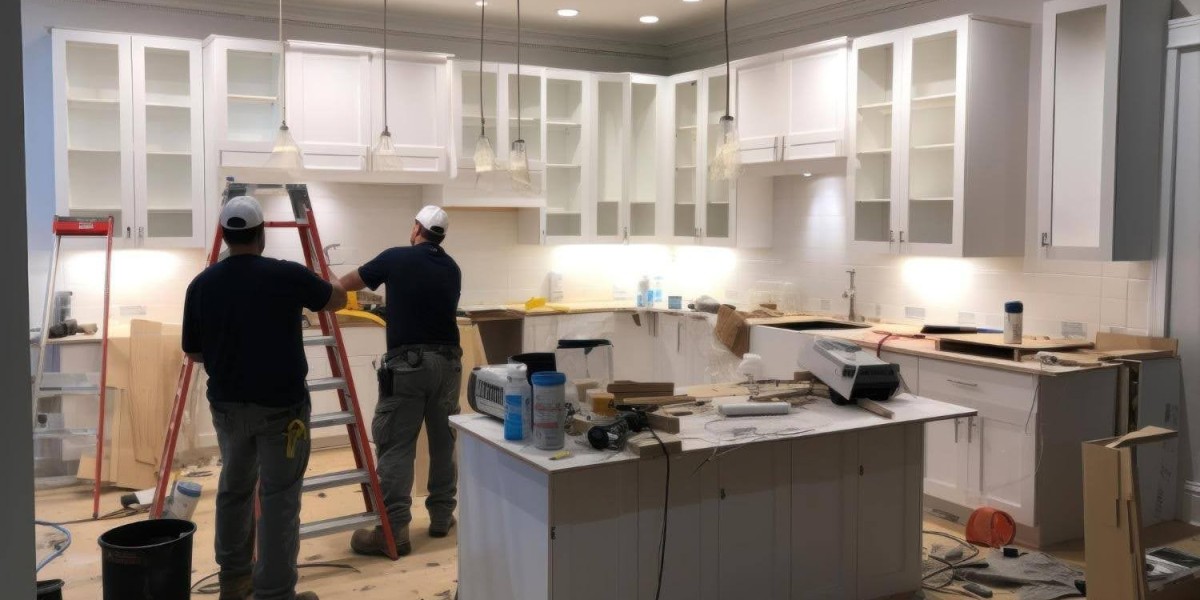
Kitchen construction can temporarily interrupt everyday routines. Before work begins, remove food, dishes, cookware, and personal belongings from the project area. Arrange a temporary space for preparing simple meals if the kitchen will be unavailable. Discuss working hours, access, and expected disruptions with the contractor so household members can plan accordingly.
Review Construction and Finishing Details
As the project progresses, review important details rather than waiting until the final day. Check cabinet alignment, countertop installation, flooring transitions, backsplash placement, and fixture connections. Once the work is complete, test appliances, drawers, doors, and plumbing fixtures. Addressing concerns promptly can help ensure the finished space meets the agreed project expectations.
Maintain Your Renovated Kitchen
Regular care helps preserve the appearance and condition of newly installed features. Follow recommended cleaning instructions for countertops, cabinets, flooring, and appliances. Wipe spills promptly and avoid using products that may damage specific finishes. Keeping storage organized and addressing small maintenance issues early can help the renovated kitchen remain attractive and functional.
Create a Kitchen That Fits Your Lifestyle
A successful kitchen renovation combines practical improvements with a design that reflects household preferences. Careful planning, suitable materials, efficient storage, and qualified construction support can contribute to a better result. By considering current routines and future needs, homeowners can create a welcoming kitchen that supports everyday living and remains useful for years.







