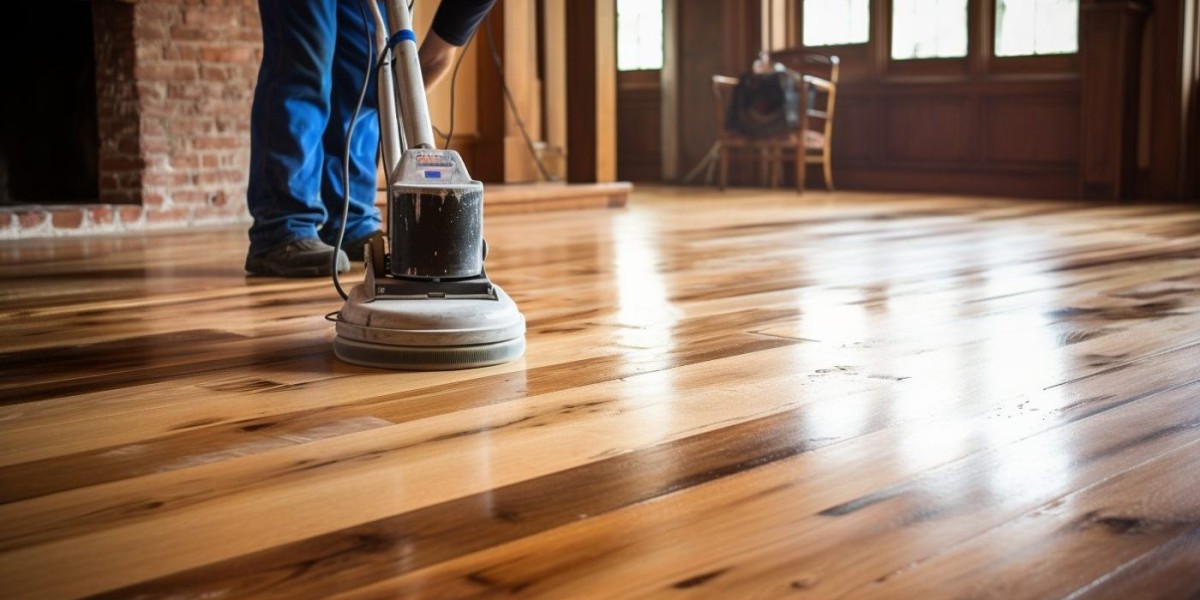


Give Worn Hardwood Floors a Fresh Appearance
Hardwood flooring adds warmth and character to a home, but everyday foot traffic can gradually affect its appearance. Scratches, dull finishes, discoloration, and minor surface damage may make floors look older than they are. Refinishing can help restore their appearance without requiring a complete floor replacement. Understanding the process and its costs can help homeowners make informed decisions.
Understand What Influences Project Pricing
The total cost of refinishing depends on several factors, including floor size, wood condition, labor, materials, and the type of finish selected. Hardwood Floor Refinishing Costs Atlanta GA can vary from one property to another because every flooring project has different requirements. Evaluating these details before work begins helps homeowners establish realistic expectations and prepare an appropriate budget.
Consider the Size of the Flooring Area
The total square footage is one of the main factors that influences project pricing. Larger rooms generally require more labor, sanding materials, and finishing products. However, the shape and layout of the area can also affect the amount of work involved. Rooms with narrow corners, multiple transitions, or difficult access may require additional preparation and attention.
Evaluate the Existing Floor Condition
The condition of hardwood flooring can significantly affect the refinishing process. Floors with light scratches and worn finishes may need less preparation than surfaces with deeper damage, stains, or uneven areas. Loose boards, gaps, and damaged sections may also require attention before refinishing begins. A proper assessment helps determine whether the floor is suitable for restoration.
Understand the Sanding Process
Sanding removes the existing finish and a thin layer of wood to create a smoother surface for the new treatment. The amount of sanding required depends on the floor's condition and previous maintenance. Deep scratches or uneven areas may require additional work. Proper sanding is important because an inconsistent surface can affect the final appearance.
Choose the Right Stain and Finish
Stain and finish selections can influence both project cost and the final appearance. Some homeowners prefer a natural wood look, while others choose darker or lighter tones to complement their interior design. Finish products also differ in durability, appearance, and maintenance requirements. Discussing available options before work starts can help balance style preferences with long-term practicality.
Account for Furniture and Room Preparation
Preparing a room is another part of the refinishing process. Furniture, rugs, decorations, and other belongings generally need to be removed from the work area. Some projects may also require additional protection for nearby rooms and surfaces. Homeowners should ask whether preparation, furniture handling, and cleanup are included in the estimate or handled separately.
Compare Professional Flooring Estimates
Obtaining more than one detailed estimate can help homeowners understand the expected investment. Hardwood Flooring Company professionals may evaluate the floor, discuss suitable refinishing methods, and explain the materials involved. When comparing estimates, review the included preparation, sanding, staining, finishing, and cleanup tasks rather than focusing only on the lowest quoted price.
Ask About Repair Requirements
Not every hardwood floor can be refinished without preliminary repairs. Damaged boards, loose sections, exposed nails, or areas affected by moisture may need attention first. Repair costs depend on the type and extent of the problem and whether matching replacement materials are available. Addressing these concerns before sanding can help create a more consistent finished surface.
Understand Different Flooring Materials
Hardwood floors are available in different constructions, including solid and engineered wood. Solid hardwood can often be refinished multiple times, depending on its remaining thickness and condition. Engineered flooring has a thinner natural wood layer, which may limit refinishing options. Identifying the flooring type is essential before selecting a restoration method.
Consider the Value of Refinishing
Refinishing can be a practical alternative to replacing hardwood floors when the underlying material remains in suitable condition. It can improve surface appearance and allow homeowners to update the color or finish. However, extensive structural damage, severe moisture problems, or insufficient wood thickness may make refinishing unsuitable. A professional evaluation can help determine the most appropriate option.
Plan for the Project Timeline
The time required for refinishing depends on the floor area, preparation needs, repairs, and finishing products. Sanding and coating are only part of the process; drying and curing time also matter. Homeowners should ask when rooms can safely be used again and whether furniture must remain out of the area for a specific period.
Maintain Floors After Refinishing
Proper care helps preserve the new finish and reduce future wear. Use cleaning products recommended for hardwood surfaces, remove spills promptly, and place protective pads beneath furniture. Entry mats can help reduce dirt and grit brought indoors. Avoid excessive moisture when cleaning, as water can affect wood flooring and its finish over time.
Make an Informed Flooring Investment
Understanding the factors behind refinishing costs helps homeowners plan their projects with greater confidence. Floor size, existing damage, sanding requirements, finish selection, and necessary repairs all influence the final estimate. By comparing detailed proposals and choosing suitable materials, homeowners can make practical decisions about restoring their hardwood floors and maintaining their appearance for years.







