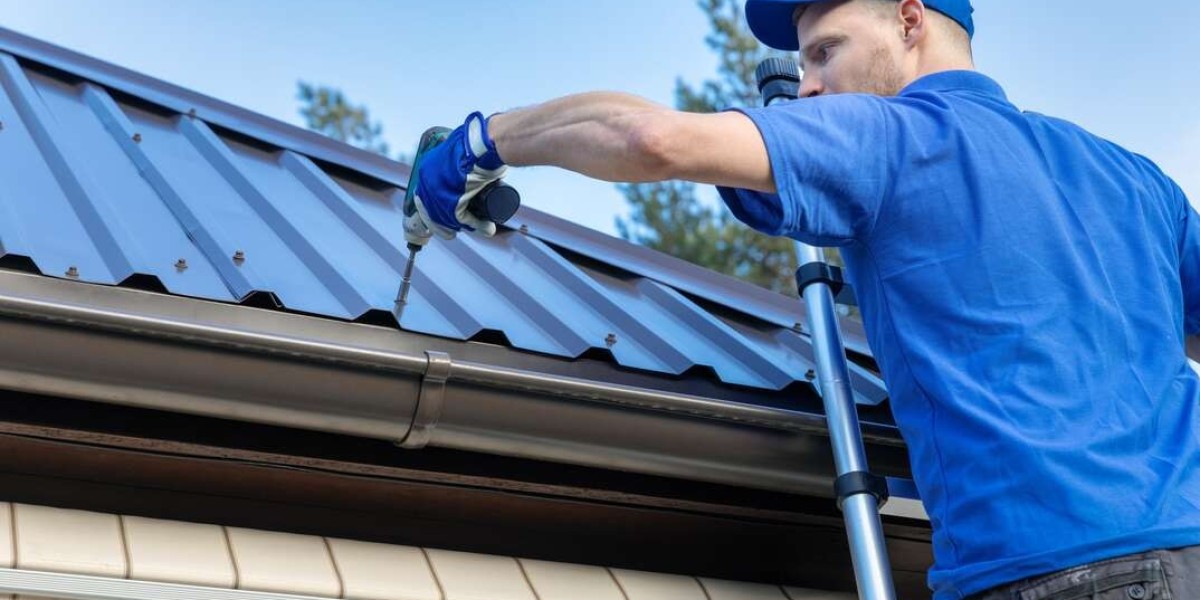


Recognizing When a Roof Needs Replacement
Metal roofs are known for their strength, but they are not immune to wear and damage. Loose fasteners, rust, leaking seams, damaged panels, and recurring water stains may indicate that the roofing system needs attention. A professional inspection can help determine whether individual sections can be repaired or whether a complete replacement is a more practical choice.
Understanding the Benefits of Metal Roofing
Metal roofing offers several useful features for residential and commercial properties. Its durable panels can provide reliable protection while creating a clean, modern appearance. Many metal roofing materials are also designed to resist common weather-related problems. Their relatively lightweight construction can be beneficial when compared with some heavier roofing materials, depending on the building's structure and requirements.
Why Professional Installation Matters
Correct installation is essential for getting dependable performance from a metal roofing system. Panels must be properly aligned, fasteners correctly positioned, and seams carefully secured. Flashing around roof edges, vents, and other openings also needs attention to help prevent water intrusion. Experienced professionals understand these installation details and can help property owners choose Metal Roof Reroofing Services Dania Beach FL that address the condition and design of their buildings.
Evaluating the Existing Roofing Structure
Before beginning a replacement project, the condition of the existing roof should be carefully evaluated. The inspection may include checking the roof deck, underlayment, flashing, drainage areas, and supporting structure. These components affect how well the new roofing system performs. Identifying hidden damage before installation can help prevent unexpected problems and reduce the likelihood of future repairs.
Choosing Suitable Metal Roofing Materials
Metal roofing comes in different materials, profiles, finishes, and panel designs. Steel and aluminum are common options, each offering different characteristics related to weight, corrosion resistance, appearance, and maintenance. Property owners should consider the building's design, exposure to moisture, budget, and expected performance when selecting materials. The right choice depends on the property's specific conditions rather than appearance alone.
Preparing for a Complete Roofing Project
Good preparation helps keep a reroofing project organized and efficient. Property owners should discuss the expected schedule, material delivery, access requirements, and protection of nearby outdoor areas before work begins. Existing roofing materials may need to be removed, depending on the installation plan and local requirements. Proper preparation also gives the roofing team an opportunity to address structural concerns before installing new panels.
Selecting a Qualified Roofing Professional
Choosing the right contractor is an important part of a successful roofing project. Property owners should review relevant experience, ask about installation methods, and confirm that the proposed work meets applicable building requirements. A clear written estimate should explain the project scope, materials, payment terms, and warranty information. Working with a dependable Best roofing contractor Dania Beach FL can help ensure that important project details receive proper attention.
Protecting the Roof Against Moisture
Water management is one of the most important parts of roofing performance. Even durable metal panels can experience problems when water collects around seams, flashing, or poorly designed drainage areas. Gutters and downspouts should be checked to ensure water moves away from the building. Proper sealing and installation details can reduce the risk of leaks and help protect the underlying roof structure.
Improving Energy Performance
A metal roof can contribute to better energy management when the complete roofing system is designed appropriately. Reflective finishes may help reduce the amount of solar heat absorbed by the roof surface. Insulation and ventilation also influence indoor comfort and energy use. Property owners should consider these elements together instead of expecting roofing material alone to control indoor temperatures.
Understanding Project Costs
The cost of reroofing depends on several factors, including roof size, material selection, roof pitch, existing damage, and installation complexity. Additional work may be necessary if the underlying deck or flashing requires replacement. Property owners should request a detailed estimate that explains the materials, labor, preparation, and expected scope of work. Comparing complete proposals can help avoid decisions based only on the lowest price.
Maintaining the New Roofing System
Although metal roofs generally require less maintenance than some other roofing materials, periodic inspections remain important. Property owners should look for loose fasteners, damaged flashing, blocked gutters, and signs of corrosion. Branches and debris should be removed carefully to prevent moisture from collecting. Addressing small concerns early can help preserve the roofing system and reduce the chance of more extensive damage.
Planning for Long-Term Roof Protection
A reroofing project is an opportunity to improve the property's protection and address weaknesses in the existing system. Careful material selection, proper installation, and regular maintenance all contribute to lasting performance. Property owners who understand these factors can make better decisions throughout the project. Taking time to evaluate the roof and plan the replacement carefully can support a more dependable result for years to come.







