

Assessing Your Kitchen's Needs
Before selecting a countertop, consider how the kitchen is used each day. A busy household may need a surface that handles frequent food preparation, spills, and regular cleaning. Other homeowners may prioritize appearance or a design that supports occasional cooking and entertaining. Understanding these needs makes it easier to compare materials and identify features that matter most.
Exploring Popular Countertop Materials
Countertops are available in several materials, each offering different benefits and maintenance requirements. Granite provides a natural stone appearance, while quartz offers a manufactured surface with consistent patterns and colors. Laminate can provide an affordable option with many design choices. Marble creates a distinctive look but generally requires more careful maintenance to protect its surface.
Matching the Surface to Your Kitchen Design
The countertop should work with the cabinets, flooring, backsplash, and overall color scheme. Light surfaces can make a smaller kitchen feel more open, while darker finishes may create contrast and visual depth. Patterns and edge profiles also affect the finished appearance. Reviewing samples alongside existing kitchen materials can help prevent mismatched colors or textures.
Taking Accurate Measurements
Accurate measurements are essential for a smooth countertop project. Installers need to account for the length and depth of each section, wall variations, corners, and openings for sinks or cooktops. Measurements should also consider overhangs and areas where separate countertop pieces meet. Careful planning reduces fitting problems and helps ensure that the finished surface follows the kitchen's layout.
Preparing Cabinets for Installation
Countertops depend on a stable and properly prepared cabinet base. Before installation, cabinets should be checked for level positioning, secure connections, and adequate support. Uneven or weak cabinets may affect how the countertop sits and could create stress in certain materials. Any necessary cabinet adjustments should be addressed before the new surface is placed.
Understanding the Installation Process
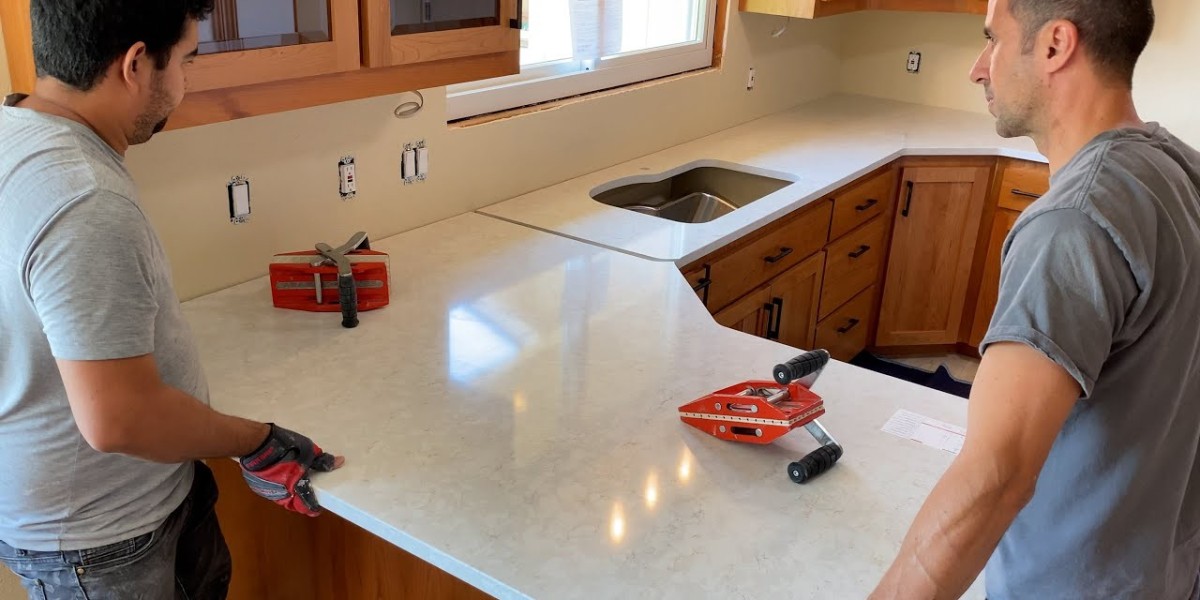
Professional installation involves more than positioning a countertop on top of cabinets. Depending on the selected material, the process may include cutting, shaping, edge finishing, transportation, fitting, and securing individual sections. Sink openings and appliance spaces must align with the kitchen layout. Experienced Countertop Installers near Chapel Hill NC can help manage these details and work toward a clean, accurate finish.
Planning for Seams and Edges
Some countertop layouts require multiple pieces to cover the available space. In these cases, seam placement can influence both appearance and usability. Installers should consider visibility, surface patterns, and the location of sinks or work areas when planning joints. Edge styles also deserve attention because they affect the countertop's finished look and how it meets surrounding cabinets.
Considering Durability and Maintenance
Different countertop materials respond differently to heat, moisture, stains, and everyday wear. Some surfaces may require periodic sealing, while others can be maintained with routine cleaning. Homeowners should understand the care instructions before making a final selection. Using cutting boards, cleaning spills promptly, and following manufacturer recommendations can help preserve the countertop's appearance over time.
Coordinating Sinks and Appliances
The countertop project should be planned alongside the kitchen sink, faucet, cooktop, and other built-in appliances. Their dimensions and installation requirements can affect cutting locations and available workspace. Homeowners should confirm appliance specifications before fabrication begins. Proper coordination helps avoid unnecessary adjustments and supports a finished kitchen where the different components fit together correctly.
Managing the Project Budget
Countertop costs depend on material type, surface size, thickness, edge details, cutouts, and installation complexity. Additional preparation or cabinet repairs may also affect the overall price. Homeowners should request a detailed estimate that explains material costs, fabrication, installation, and any extra services. Comparing complete estimates provides a clearer picture than choosing a contractor based only on an initial price.
Choosing a Suitable Renovation Professional
A countertop project may be part of a larger kitchen update involving cabinets, flooring, lighting, or plumbing. Coordinating these improvements can help create a consistent design and reduce scheduling difficulties. Homeowners planning broader changes may benefit from Expert Kitchen Renovation support to organize the different stages, consider material compatibility, and maintain a practical layout throughout the project.
Maintaining the Finished Countertop
Regular care helps keep a new countertop attractive and functional. Homeowners should use cleaning products recommended for their selected material and avoid harsh treatments that could damage the finish. Heavy objects should be handled carefully, and spills should be cleaned according to the surface's care requirements. Periodic checks around seams, sinks, and edges can also help identify maintenance concerns early.
Creating a Functional Kitchen Space
A well-planned countertop can improve both the appearance and everyday usefulness of a kitchen. Selecting suitable materials, preparing cabinets, taking accurate measurements, and arranging professional installation all contribute to the final result. By considering maintenance and long-term needs before work begins, homeowners can create a kitchen surface that supports daily routines and complements the rest of the room.







