

Understanding the Role of Concrete Curbs
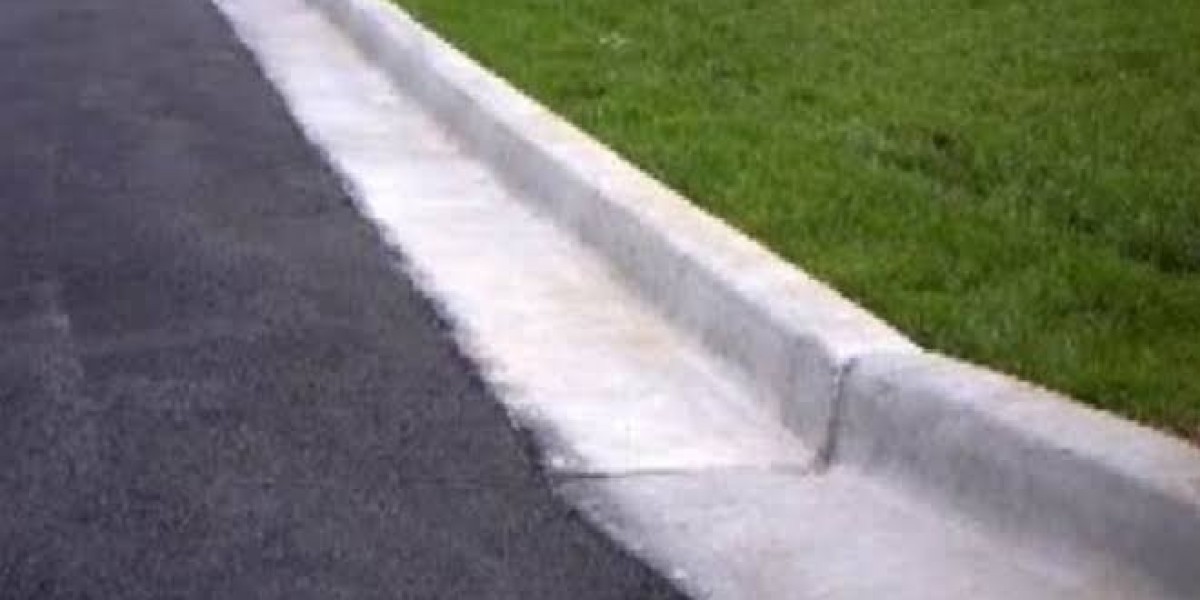
Concrete curbs are important features of commercial properties because they help organize outdoor spaces and create clear boundaries between different surfaces. They are commonly used around parking lots, driveways, sidewalks, landscaped sections, and access roads. Besides improving the appearance of a property, properly constructed curbs can guide vehicle movement, protect surrounding areas, and support effective drainage.
Choosing the Right Curb Design
Every property has different requirements, so selecting an appropriate curb design is an important first step. Some locations need raised curbs to separate vehicle areas from pedestrian walkways, while others require sloped edges for smoother transitions. The height, width, and shape should match the intended purpose. A suitable design improves usability while maintaining a consistent appearance throughout the property.
Evaluating Site Conditions
Before construction begins, the installation area should be carefully examined. Soil conditions, existing pavement, slopes, underground utilities, and nearby structures can influence the work. Uneven ground or unstable soil may require additional preparation before concrete placement. Evaluating these details helps contractors understand potential challenges and select an installation approach that supports a stable and properly aligned curb.
Preparing the Ground Properly
A strong foundation is essential for long-lasting concrete construction. The installation area should be cleared of vegetation, loose soil, debris, and unsuitable materials. Excavation may be necessary to achieve the required depth and shape. After preparation, the ground should be properly graded and compacted. Skipping these steps can increase the possibility of settling, cracking, or movement after installation.
Selecting Suitable Concrete Materials
The quality of concrete has a direct influence on the strength and durability of a curb. Material selection should consider the project's design, expected traffic, environmental exposure, and applicable construction requirements. The concrete mixture must be suitable for the intended application, while proper handling and placement help create a consistent structure. Choosing appropriate materials from the beginning can reduce future maintenance concerns.
Planning Drainage and Water Flow
Drainage is an important consideration when installing concrete curbs. Poor positioning can interfere with natural water movement and create areas where rainwater collects. Contractors should evaluate surface slopes, nearby drains, and the direction of runoff before finalizing the layout. Proper planning helps protect surrounding pavement, landscaped areas, and building foundations from unnecessary water exposure.
Understanding Professional Installation
Installing commercial curbs requires accurate measurements, proper forming, and careful concrete placement. Forms establish the intended dimensions and alignment, while finishing techniques help create smooth and consistent surfaces. The concrete must also receive sufficient curing time to develop its intended strength. Professional Commercial Concrete Curbs Lighthouse Point FL can help property owners address these important details and achieve a properly constructed boundary.
Maintaining Consistent Alignment
Straight lines, accurate elevations, and clean edges contribute to the overall quality of a curb installation. Uneven sections may affect the appearance of a parking area and create difficulties around vehicle entrances or pedestrian pathways. Contractors should follow the planned layout and check alignment throughout the project. Proper transitions at corners and driveways also help the finished work look more complete.
Considering Pedestrian and Vehicle Safety
Commercial properties need outdoor layouts that accommodate both drivers and pedestrians. Curbs should separate traffic areas without creating unnecessary obstacles or restricting accessible pathways. Their placement should support clear movement around entrances, parking spaces, and walkways. Property owners should also consider applicable accessibility and building requirements when planning improvements to ensure the finished layout serves different users effectively.
Understanding the Wider Concrete Project
Concrete curbs are often installed as part of a larger property improvement. Parking areas, sidewalks, driveways, loading spaces, and outdoor access routes may all need attention during the same project. Coordinating these features can help maintain consistent elevations, surface finishes, and drainage patterns. Considering General Concrete Lighthouse Point FL solutions can help property owners plan related construction work as part of an organized improvement project.
Managing Costs and Construction Timelines
The total cost of a curb project depends on its length, dimensions, concrete requirements, site accessibility, and preparation needs. Removing existing materials or adjusting drainage may increase the amount of work involved. Property owners should request a detailed estimate that explains the planned tasks, materials, and expected schedule. Clear communication before construction begins can help reduce confusion and unexpected expenses.
Inspecting and Maintaining Concrete Curbs
Regular inspections help identify small issues before they become more serious. Property owners should check for cracks, chipped edges, uneven sections, and signs of settlement. Debris should be cleared from nearby drainage areas so water can move freely. If damage appears, arranging an appropriate repair can help preserve the curb's condition and prevent surrounding surfaces from being affected.
Supporting Long-Term Property Improvements
Well-planned concrete curbs contribute to organized, practical, and attractive commercial spaces. Their performance depends on proper site preparation, suitable materials, accurate installation, and consistent maintenance. By considering drainage, accessibility, traffic movement, and the surrounding pavement, property owners can make informed construction decisions. Careful planning helps create durable outdoor features that support everyday property operations for years.







