

Understanding Unexpected Vehicle Lockouts
Getting locked out of a vehicle can interrupt an otherwise normal day. It may happen when keys are left inside the car, misplaced during a busy schedule, or accidentally locked in the trunk. Modern vehicles can also create access challenges when electronic key systems stop responding. Knowing what steps to take can help drivers handle the situation calmly and avoid unnecessary damage.
Recognizing Common Lockout Situations
Vehicle lockouts happen for several reasons, and not all situations involve traditional keys. Some drivers accidentally leave their keys on a seat before closing the door, while others experience problems with key fobs or electronic locking systems. A damaged lock or weak remote battery may also prevent access. Identifying the situation can help determine the most appropriate assistance.
Staying Safe While Waiting for Help
Safety should be the first concern when a vehicle becomes inaccessible. Drivers should move to a secure location away from passing traffic, especially if the car is stopped near a busy road. If children, pets, or vulnerable individuals are inside the vehicle, the situation may require immediate emergency assistance. Avoid attempting risky entry methods that could cause injuries or damage.
Avoiding Damage During a Lockout
Trying to force open a vehicle door can damage its paint, window seals, locking mechanism, or internal components. Using improvised tools may also interfere with sensitive electronic systems. Modern vehicles often have specialized security features that require appropriate handling. Rather than risking expensive repairs, drivers should use a qualified professional who understands safe vehicle entry methods.
Understanding Professional Vehicle Entry
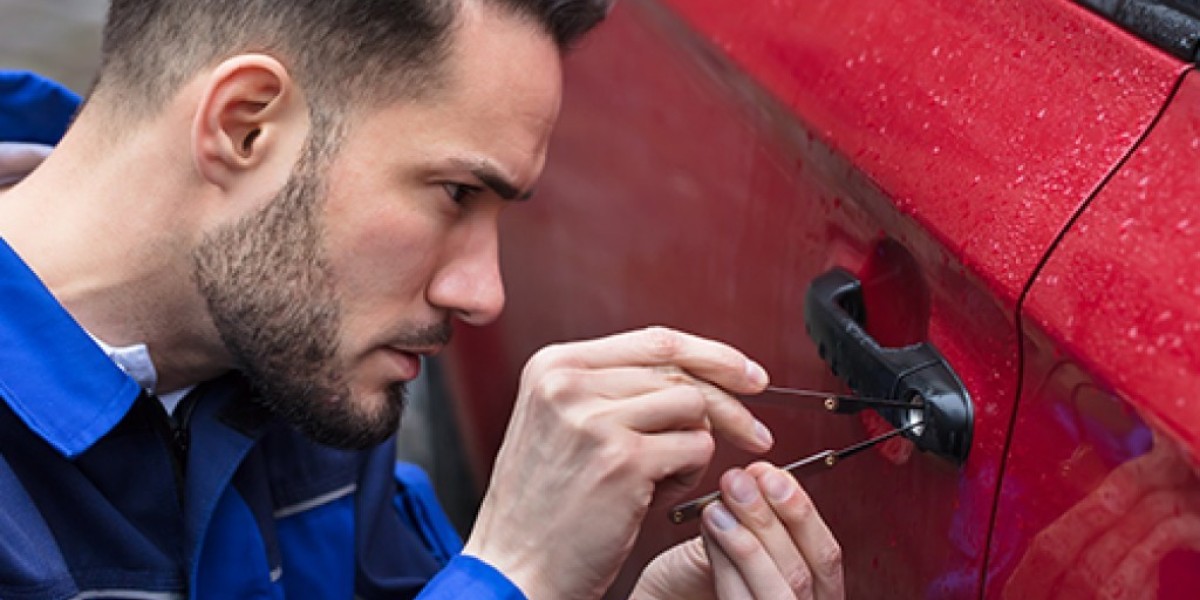
Professional vehicle entry requires the correct tools and knowledge of different locking systems. The method used depends on the vehicle's make, model, year, and security features. A trained technician can assess the situation and select an appropriate approach to regain access. This can help reduce the risk of damage while allowing the driver to retrieve the keys and continue the day.
Choosing Assistance for Different Vehicles
Not every vehicle has the same door design or locking technology. Older models may use conventional mechanical locks, while newer vehicles can include electronic controls and advanced security systems. Assistance should be suitable for the specific vehicle rather than relying on one method for every situation. Providing accurate vehicle information when requesting Car Lockout Roadside Assistance Baltimore MD can help the technician prepare for the job.
Preparing Information Before Requesting Help
When contacting a service provider, drivers should explain their location and describe the lockout problem clearly. Sharing the vehicle's make, model, and approximate year can help identify the type of locking system involved. It is also useful to mention whether the keys are visible inside, locked in the trunk, or completely missing. Clear information can make the response more efficient.
Understanding Additional Roadside Needs
A lockout is only one of several problems that can leave a driver unable to continue traveling. A vehicle may also experience a flat tire, dead battery, fuel shortage, or mechanical issue. Depending on the situation, drivers may need Roadside Services Baltimore MD to address another problem before returning to the road. Having access to suitable assistance can make unexpected vehicle difficulties easier to manage.
Considering Electronic Key Problems
Key fobs and remote entry systems provide convenience, but they can sometimes stop working because of weak batteries, damaged buttons, or electronic faults. Drivers should check whether the remote has an obvious issue, but they should avoid dismantling vehicle components without the proper knowledge. If the key itself is damaged or malfunctioning, a technician may help determine whether additional key-related service is necessary.
Knowing When Emergency Help Is Necessary
Some lockout situations require more urgent attention than others. If a person or animal is trapped inside a vehicle during dangerous temperatures, drivers should contact emergency services immediately rather than waiting for routine assistance. Similarly, a vehicle stopped in an unsafe traffic area may need urgent attention. Recognizing these circumstances helps drivers prioritize safety over convenience.
Preventing Future Lockouts
Simple habits can reduce the likelihood of getting locked out again. Drivers can check for their keys before closing the doors and keep a spare key in a secure, accessible location. Maintaining key fob batteries and replacing damaged keys can also help prevent access problems. Some vehicles offer mobile applications or digital access features that provide another way to unlock the doors.
Choosing a Dependable Service Provider
Before requesting assistance, drivers should look for clear communication, relevant vehicle experience, and transparent pricing. It is helpful to ask about estimated arrival times, available services, and any additional charges before work begins. A reliable provider should explain the expected process and use appropriate equipment. These details help drivers make informed decisions during an already stressful situation.
Returning to the Road With Confidence
A vehicle lockout can be inconvenient, but the right response can make the experience safer and less stressful. Staying in a secure location, avoiding forced entry, and providing accurate vehicle details all help the situation move toward a solution. Preventive habits and access to dependable assistance can also reduce future interruptions and help drivers continue their journeys with greater confidence.







