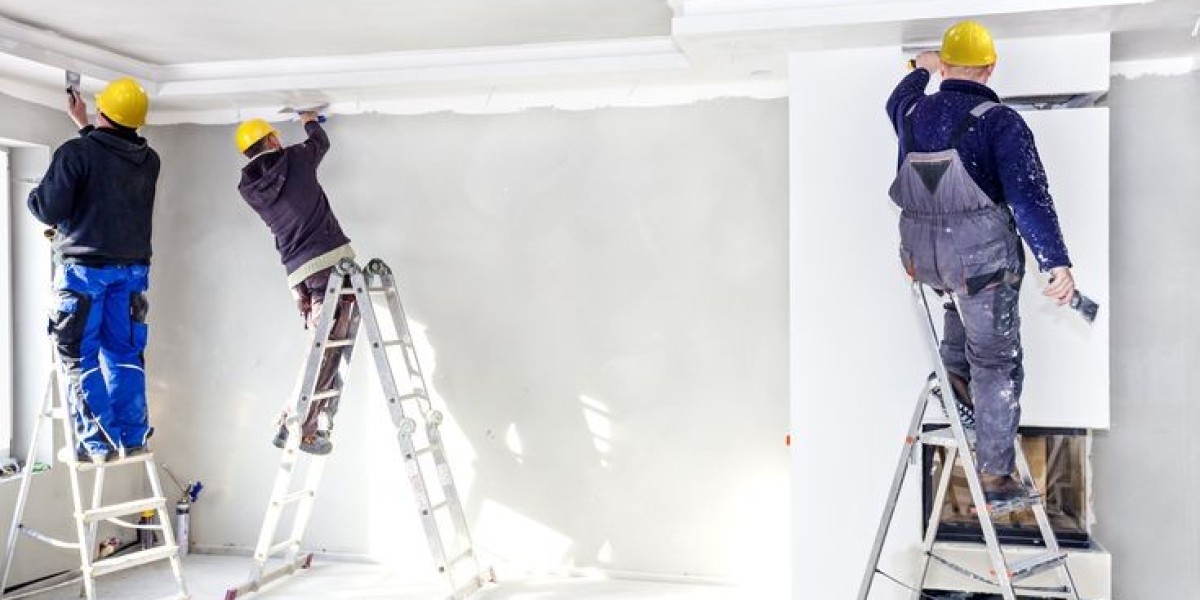


Understanding the Value of Well-Maintained Walls
Interior walls influence the appearance and functionality of every room. They provide a finished backdrop for furniture, decorations, and everyday activities while helping define different areas of a property. Over time, walls can develop cracks, dents, holes, and uneven surfaces due to regular use or environmental conditions. Keeping them in good condition helps maintain a clean and comfortable indoor environment.
Recognizing Common Plaster Damage
Plaster surfaces can deteriorate for several reasons, including age, building movement, moisture exposure, and accidental impacts. Small cracks may appear around windows, ceilings, and doorways, while larger sections can become loose or begin separating from the underlying structure. Identifying these problems early helps property owners understand what type of repair is needed and whether additional inspection is necessary.
Understanding Professional Plaster Restoration
Plaster repairs require careful attention to the damaged surface and the materials surrounding it. Loose sections must be addressed before new material is applied, and the repaired area needs proper preparation to achieve a stable finish. Professional Plaster Repair Services in Lynchburg VA can help restore damaged walls through suitable patching, resurfacing, and finishing methods while maintaining consistency with the existing interior.
Preparing Walls Before Repair Work
Preparation is an essential step in achieving reliable repair results. Dust, loose paint, crumbling plaster, and unstable materials should be removed from the affected area. Nearby flooring, furniture, and fixtures may also need protection during the process. A clean and stable surface allows repair compounds to adhere properly and helps reduce imperfections in the finished wall.
Repairing Small Cracks and Surface Imperfections
Minor cracks and shallow holes can make an otherwise attractive room look neglected. These defects may develop from everyday impacts, normal building movement, or changes in temperature and humidity. Depending on their size, they can often be repaired using suitable fillers or patching compounds. Proper application, drying, and sanding help create a smoother surface before painting.
Restoring Larger Areas of Plaster
Extensive plaster damage requires a more detailed approach than simple surface patching. Sections that have become loose or unstable may need to be removed before replacement materials are installed. The condition of the underlying wall should also be evaluated to ensure that the repair has a suitable foundation. Careful layering and finishing help the restored area blend with the surrounding surface.
Understanding Common Drywall Problems
Drywall is widely used in homes and commercial buildings because it provides a smooth interior finish and supports different room designs. However, it can develop holes, dents, loose seams, and damaged corners. Water exposure may also cause swelling, staining, or weakened sections. The repair method depends on the size of the affected area and the condition of the surrounding material.
Selecting Appropriate Repair Materials
Different wall conditions require different products and techniques. Joint compound is commonly used for seams and surface finishing, while patching materials can address smaller openings. Larger damaged sections may require replacement drywall, tape, and additional finishing compounds. Choosing compatible materials is important because unsuitable products may result in cracking, poor adhesion, or noticeable differences in texture.
Creating Smooth and Consistent Finishes
A repaired wall should have a consistent appearance without obvious ridges, rough patches, or uneven transitions. Sanding and careful finishing help blend repaired areas with the existing surface. Matching the original wall texture may require additional work, especially in properties with decorative finishes. Proper attention to these details helps prepare the room for a more uniform paint application.
Addressing Moisture Before Restoring Walls
Water damage should never be covered without identifying its source. Plumbing leaks, roof problems, condensation, and other moisture issues can weaken plaster and drywall. Damaged materials may need removal, and the affected area should be properly dried before restoration begins. Correcting the underlying moisture problem helps prevent recurring stains, deterioration, and additional repair expenses.
Coordinating Different Interior Repair Requirements
Some properties have multiple wall conditions that need attention during the same project. Cracked plaster, damaged drywall, loose seams, and holes may require different repair methods. Drywall & Wall Repair Services can address these concerns through appropriate patching, replacement, and finishing techniques. Coordinating the work helps maintain a consistent appearance and reduces the need for separate repair projects.
Preparing Interior Surfaces for Painting
After the damaged areas have been repaired, the walls should be inspected before applying paint. Rough edges, visible compound marks, and uneven patches can affect the final appearance. Sanding and priming help create a suitable surface for painting. Homeowners should also consider the existing paint color and finish to determine whether a small touch-up or a complete wall repainting is more appropriate.
Maintaining Walls After Restoration
Routine inspections can help property owners recognize new problems before they become extensive. Look for recurring cracks, damp spots, peeling paint, and areas where the surface feels soft or uneven. Avoid placing excessive pressure on repaired sections and use suitable cleaning methods for painted surfaces. Prompt attention to small defects can help preserve the results of restoration work.
Maintaining Attractive and Functional Interiors
Well-maintained walls contribute to the overall comfort and appearance of a property. Successful restoration depends on identifying the damage, preparing the surface, selecting appropriate materials, and completing careful finishing work. Addressing underlying concerns is equally important for lasting results. With proper attention and regular maintenance, property owners can keep their interior walls smooth, attractive, and ready for everyday use.







