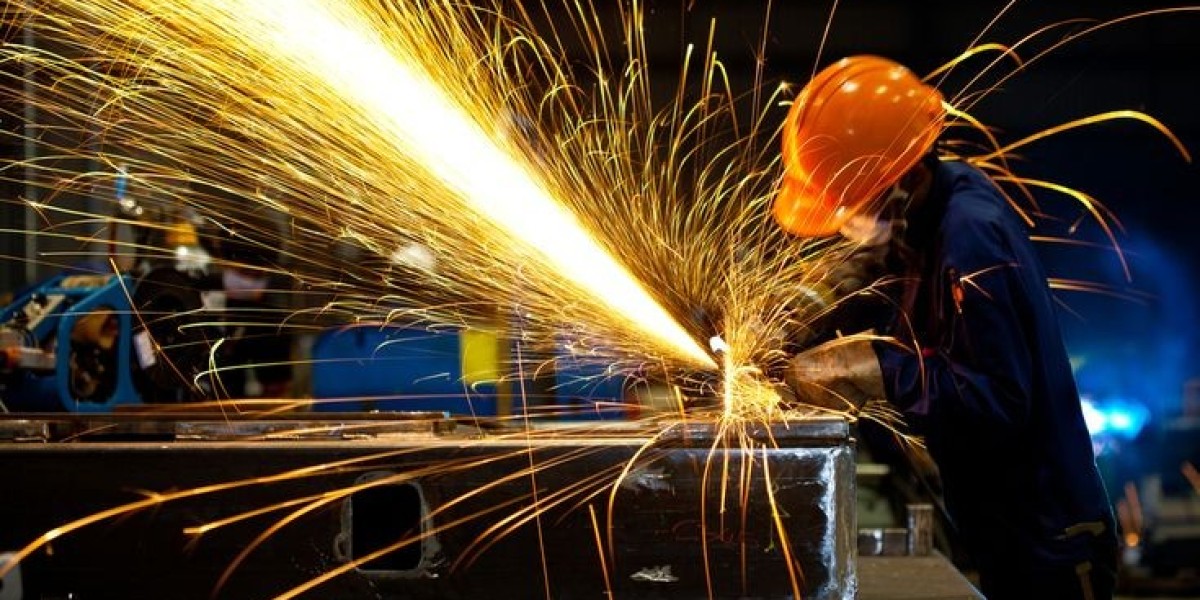


Understanding the Value of Custom Metalwork
Metal components are used in many residential, commercial, and industrial applications. From structural supports and gates to equipment parts and decorative features, properly fabricated metal products help meet specific project requirements. Custom metalwork allows property owners and businesses to obtain components with suitable dimensions, shapes, and finishes rather than relying entirely on standard products.
Exploring Custom Fabrication Options
Every metal fabrication project has different requirements based on its purpose, design, and working environment. Some projects involve creating frames, brackets, railings, or protective barriers, while others require specialized parts for machinery and equipment. Custom fabrication provides flexibility in material selection and dimensions. Careful planning helps ensure that the finished component fits the intended space and performs its required function.
Choosing Suitable Metal Materials
Material selection is one of the most important parts of fabrication planning. Steel is commonly selected for its strength, while stainless steel offers corrosion resistance in suitable environments. Aluminum is lighter and may be useful when weight is an important consideration. The right material depends on the project's structural needs, exposure conditions, appearance, and expected maintenance requirements.
Understanding the Fabrication Process
Metal fabrication involves several stages, including measuring, cutting, shaping, drilling, and assembling materials. The methods used depend on the type of metal and the final product. Each stage requires attention to accuracy because small measurement errors can affect the fit and performance of the completed component. Organized fabrication helps produce consistent results and reduces unnecessary material waste.
Creating Components for Specific Applications
Different industries require metal products designed for particular purposes. Commercial properties may need railings, frames, equipment supports, and protective structures, while residential projects can involve gates, handrails, and custom decorative features. Local Custom Metal Fabrication Services Chicago IL can help address these requirements by producing metal components according to project dimensions, functional needs, and design preferences.
Selecting Appropriate Cutting and Shaping Methods
Cutting and shaping methods influence the accuracy and finish of fabricated metal products. Depending on the material and design, fabrication may involve sawing, shearing, drilling, bending, or specialized cutting equipment. Choosing the right method helps maintain the required dimensions and reduces unnecessary stress or material damage. Proper handling is especially important when producing components that need precise connections.
Understanding the Importance of Welding
Welding joins metal pieces to create a connected structure or finished product. The appropriate technique depends on material type, thickness, joint design, and intended application. Different welding methods are suitable for different conditions, so the process should be selected carefully. Proper preparation and accurate alignment help create stronger connections and improve the overall quality of the finished work.
Maintaining Quality During Metal Assembly
Before joining metal components, surfaces should be prepared and positioned correctly. Dirt, rust, paint, and other contaminants may affect the quality of a connection if they are not addressed. During assembly, dimensions and alignment should be checked to ensure that parts fit as intended. Final inspections can help identify visible defects and confirm that the completed product meets its specifications.
Choosing Professional Welding Support
The quality of metal connections can affect the strength, stability, and reliability of a finished project. Property owners and businesses should consider the materials involved, the required joint type, and the conditions in which the product will be used. Professional Welding Services Chicago IL can support fabrication and repair projects that require properly prepared joints, suitable techniques, and careful attention to workmanship.
Considering Protective Finishes
Metal products may require additional surface treatments to improve their appearance and protect them from environmental exposure. Depending on the material and application, options may include painting, powder coating, galvanizing, or other protective finishes. Surface preparation is important because coatings need a suitable base to adhere properly. Choosing an appropriate finish can help reduce corrosion and simplify long-term maintenance.
Planning Fabrication Costs and Timelines
The cost of a custom metal project depends on material type, dimensions, design complexity, labor, finishing requirements, and installation needs. Projects involving unusual shapes or specialized components may require additional preparation. A detailed estimate should explain the materials, fabrication steps, expected schedule, and any extra services. Clear project information helps businesses plan budgets and avoid misunderstandings.
Maintaining Finished Metal Products
Regular inspections can help preserve the condition of fabricated metal components. Property owners should look for rust, loose connections, surface damage, and signs of wear. Protective coatings may need occasional maintenance depending on the environment and level of use. Addressing minor concerns early can help prevent further deterioration and extend the useful life of metal products.
Supporting Long-Term Project Performance
Successful metalwork combines accurate planning, suitable materials, careful fabrication, and appropriate finishing. Each stage contributes to the strength, appearance, and functionality of the final product. By understanding project requirements and selecting suitable fabrication and joining methods, property owners and businesses can make informed decisions. Proper workmanship and routine maintenance help metal components remain dependable for their intended applications.







