

Understanding the Importance of Trailer Maintenance
Trailers are used for transporting equipment, materials, vehicles, and other valuable loads. Their frames, joints, supports, and connecting components must remain in good condition to handle regular use. Over time, road vibration, heavy loads, weather exposure, and general wear can weaken different parts. Regular inspections and timely repairs help maintain trailer performance and reduce the risk of unexpected problems.
Recognizing Common Trailer Damage
Trailer components can experience several types of damage during everyday operation. Cracked welds, bent frames, loose brackets, damaged hinges, and worn support sections are common concerns. Rust and corrosion may also weaken metal surfaces, especially when moisture remains trapped around joints. Identifying these issues early helps owners determine whether a component needs reinforcement, repair, or replacement.
Choosing Suitable Repair Materials
Selecting compatible metal materials is essential when repairing trailer components. The replacement material should be appropriate for the original structure and the demands placed on it. Differences in metal thickness or composition can influence the repair process and finished result. Proper preparation and material selection help support a durable repair that fits the trailer's existing construction.
Understanding Professional Trailer Repairs
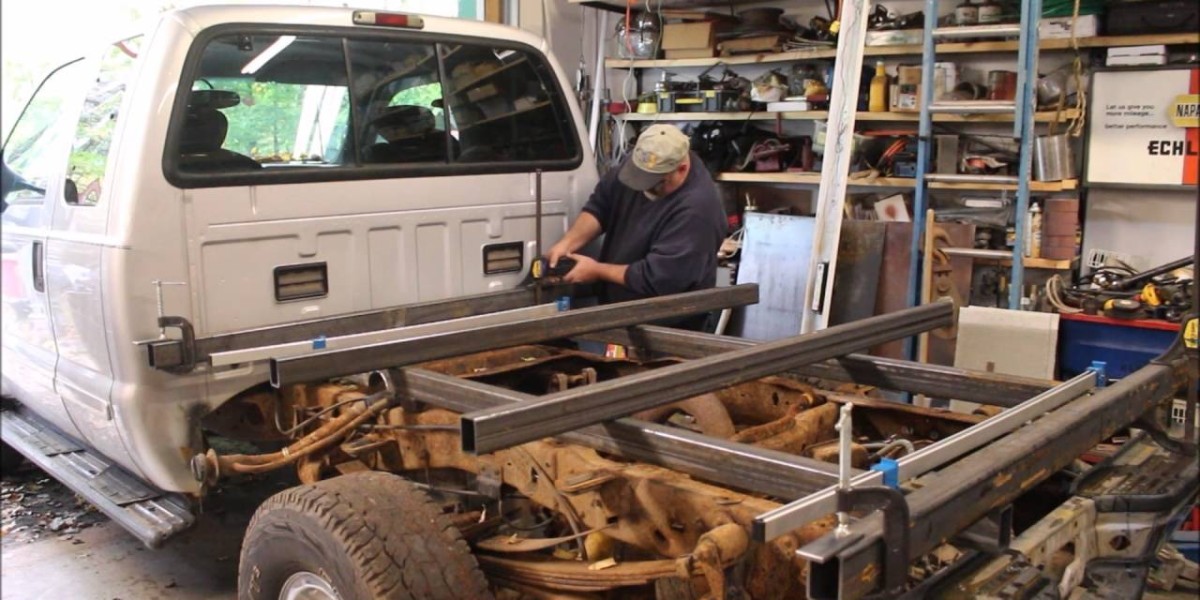
Trailer repairs often involve more than fixing a visible crack or damaged connection. The surrounding metal must be examined to determine whether corrosion, bending, or previous repairs have affected its condition. Professional Trailer Welding Repair Services in Bel Aire KS can help address damaged joints, brackets, frames, and other metal components while considering the trailer's design and intended function.
Repairing Cracked Welds and Metal Joints
Welded connections experience stress from road movement, changing loads, and repeated use. Cracks may develop around joints, mounting points, or areas exposed to frequent vibration. Before a repair is completed, the damaged connection should be examined and properly prepared. The repair method should account for the metal type, joint design, and condition of the surrounding material.
Maintaining Trailer Decks and Supports
Trailer decks and support structures also require attention because they carry equipment and other transported materials. Metal sections may become bent, cracked, or weakened through repeated loading and exposure to outdoor conditions. Damaged supports can affect how weight is distributed across the trailer. Inspections should include deck connections, side supports, ramps, and other load-bearing components.
Understanding Different Welding Requirements
Not every trailer repair requires the same welding technique. The appropriate method depends on the metal, its thickness, the joint configuration, and the component being repaired. Proper cleaning, alignment, and preparation are important before welding begins. Experienced professionals can evaluate these factors and determine a suitable approach for the specific repair rather than applying one method to every situation.
Addressing Additional Metal Repair Needs
Trailer owners may also encounter damage involving gates, hinges, brackets, ramps, couplers, and equipment mounts. These components can become loose or deteriorate after repeated use. Welding Services Bel Aire KS may help address different metal joining and repair requirements beyond the trailer frame itself. Having related metalwork evaluated together can help identify other concerns that might otherwise be overlooked.
Protecting Metal From Rust and Corrosion
Moisture, road debris, and outdoor storage conditions can contribute to corrosion on trailer surfaces. Rust may begin around scratches, exposed edges, and damaged protective coatings. Cleaning affected areas and applying suitable protective finishes can help reduce further deterioration. Owners should also inspect areas where water or dirt collects because these locations may experience faster surface damage.
Scheduling Regular Trailer Inspections
Routine inspections help identify problems before they affect normal trailer use. Owners should check visible welds, frame sections, fasteners, hinges, ramps, and connecting components. Tires, lights, brakes, and other essential systems should also receive appropriate attention. Keeping a record of repairs and maintenance can make it easier to recognize recurring issues and plan future service.
Choosing a Reliable Repair Professional
Selecting a suitable repair provider involves considering relevant experience, communication, and the type of trailer work offered. Owners should explain the damage, trailer design, and intended use when requesting an estimate. A clear explanation of the repair process, materials, and expected timeline helps set realistic expectations. Any structural repair should also be evaluated for suitability before the trailer returns to service.
Supporting Long-Term Trailer Performance
A well-maintained trailer is better prepared for regular transportation and demanding working conditions. Identifying structural damage, repairing weakened connections, protecting metal surfaces, and scheduling inspections all contribute to dependable performance. Trailer owners who address problems early can reduce the likelihood of more extensive deterioration. Careful repair decisions and consistent maintenance help preserve the trailer's condition and useful life.







