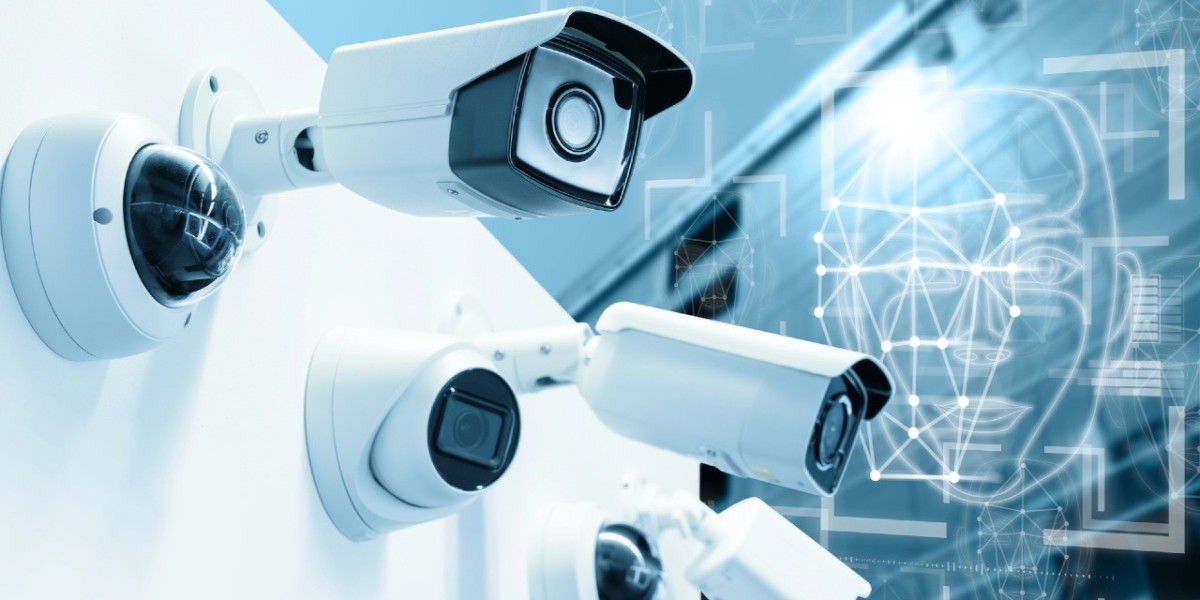


Understanding Modern Home Security
A reliable home security system helps homeowners monitor their property, improve awareness, and respond more confidently to unexpected situations. Modern technology offers several options, including security cameras, motion sensors, recording devices, and remote monitoring features. Choosing suitable equipment starts with understanding the property's layout, identifying vulnerable areas, and deciding which features provide practical everyday protection.
Choosing the Right Surveillance Setup
When considering Residential Surveillance Systems in Yardley PA, homeowners should evaluate the areas they want to monitor and the level of coverage they need. Front entrances, driveways, backyards, garages, and side access points are common locations for cameras. A well-planned setup can reduce blind spots and provide useful footage when unusual activity occurs around the property.
Understanding Camera Types
Security cameras come in several designs, each offering different advantages. Indoor cameras can help monitor shared living spaces, while outdoor models are built to withstand changing weather conditions. Wired cameras may provide consistent connections, whereas wireless options can offer more flexible placement. Image quality, night vision, motion detection, and recording capabilities are important features to compare.
Planning Camera Placement
Camera placement has a major effect on how useful a surveillance system will be. Devices should be positioned to capture important entry points without unnecessary obstructions. Homeowners should also consider lighting, viewing angles, mounting height, and areas where visitors approach the property. Careful positioning helps improve visibility while avoiding gaps that could limit the system's effectiveness.
Benefits of Remote Monitoring
Many modern surveillance systems allow homeowners to view camera feeds through smartphones, tablets, or computers. Remote access can make it easier to check a property while away, review notifications, and monitor activity around important areas. Depending on the equipment and service, users may also receive motion alerts or access recorded footage without being physically present.
The Role of Network Connectivity
Reliable Security Networking Services in Yardley PA can support the communication between cameras, recording equipment, routers, and other connected security devices. A properly planned network helps maintain stable connections and supports smooth video transmission. Network requirements depend on the number of devices, video resolution, connection type, and how frequently users access live or recorded footage.
Securing Connected Devices
Network-connected security equipment should be protected against unauthorized access. Homeowners can improve security by using strong, unique passwords and changing default login credentials. Keeping device software updated is also important because updates may address known vulnerabilities. Where supported, enabling multi-factor authentication adds another layer of protection to accounts used for remote system access.
Managing Bandwidth Requirements
Surveillance cameras can use considerable network bandwidth, especially when several devices stream high-resolution video at the same time. Before installation, homeowners should consider their internet connection, camera resolution, recording preferences, and the number of connected devices. A suitable network arrangement can help prevent interruptions and maintain reliable performance across the security system.
Wired and Wireless Network Options
Wired connections can provide dependable communication between compatible equipment and may be useful for permanent installations. Wireless connections offer greater flexibility when running cables is difficult, but their performance can depend on distance, walls, interference, and router placement. Comparing both options helps determine which arrangement best suits the property's structure and monitoring needs.
Protecting Recorded Video
Recorded footage can contain private information about household members, visitors, and daily activities. Homeowners should understand where recordings are stored, who can access them, and how long they are retained. Secure passwords, restricted account permissions, and appropriate storage settings can help protect sensitive footage. Privacy should remain an important consideration throughout system planning and use.
Maintaining Equipment Performance
Regular maintenance helps keep surveillance equipment operating as expected. Homeowners should check camera positioning, clean lenses, inspect cables, and confirm that recording functions are working correctly. Network equipment may also need occasional updates or troubleshooting. Testing motion alerts and reviewing footage periodically can help reveal problems before they affect important monitoring activities.
Considering Property Layout and Future Needs
Security requirements may change as a household expands, renovations are completed, or additional entry points are added. Selecting equipment that supports future expansion can make upgrades easier. Homeowners should consider whether the system can accommodate additional cameras, improved storage, or new connected devices without requiring a complete replacement of the existing setup.
Creating a More Secure Home Environment
An effective surveillance setup combines suitable cameras, thoughtful placement, reliable connectivity, and consistent maintenance. Homeowners who evaluate their property carefully can choose equipment that supports their daily needs while protecting personal privacy. A well-organized system provides better visibility around the home and helps make security monitoring a practical part of everyday property management.







