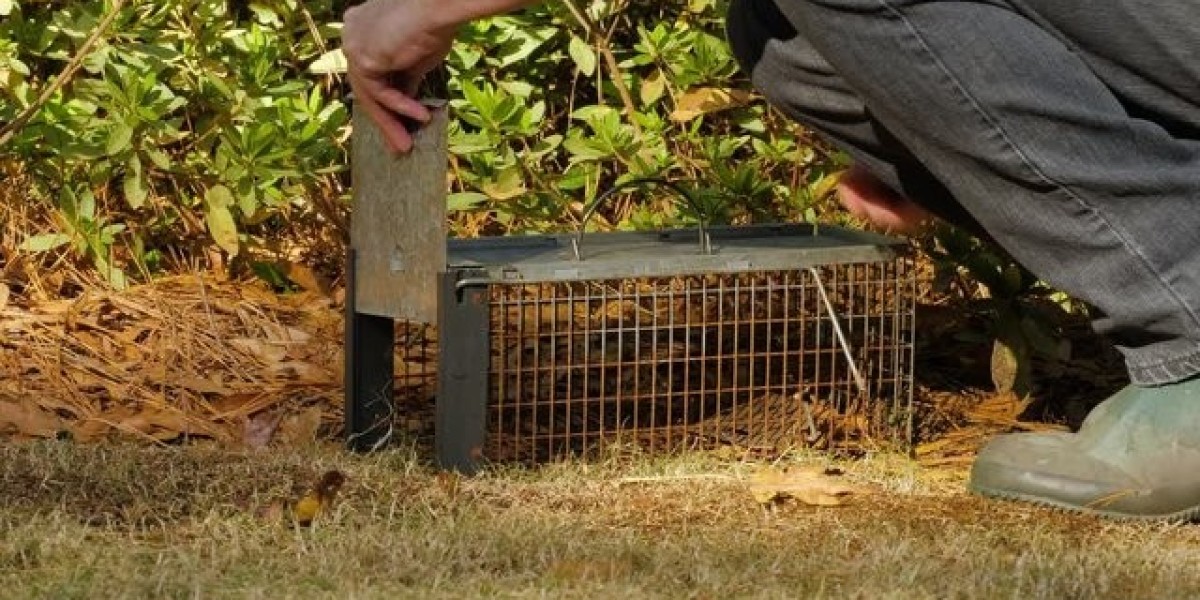


Understanding Rodent Problems
Rodents such as rats and mice can create serious concerns when they enter residential or commercial properties. They may contaminate food, damage stored belongings, chew electrical wiring, and leave droppings in hidden areas. Because these pests reproduce quickly and can remain unnoticed for some time, recognizing early warning signs is important for preventing a larger infestation.
Recognizing Signs of Rodent Activity
When homeowners need Rodent Removal Services in Miramar FL, identifying the source of the problem is an important first step. Common warning signs include droppings near cabinets, scratching sounds inside walls, damaged food packaging, and gnaw marks on wood or plastic. Unusual odors and nesting materials in storage areas may also indicate that rodents have settled indoors.
Common Places Rodents Enter
Rodents can enter buildings through surprisingly small openings around doors, windows, foundations, utility lines, and ventilation areas. Gaps around pipes and damaged weatherstripping may provide easy access. Once inside, they often move along walls and hide behind appliances, inside cabinets, beneath furniture, or in storage spaces where they can remain undisturbed.
Why Rodents Are Difficult to Control
Rodents are adaptable animals that can find food, water, and shelter in many environments. They may avoid unfamiliar objects and hide during periods of human activity. Their ability to move through narrow spaces also makes it difficult to locate every nesting area. Addressing only the rodents that are visible may leave other activity undiscovered.
Health and Property Concerns
Rodent activity can affect both the condition of a building and the well-being of its occupants. Droppings, urine, and contaminated surfaces may create sanitation concerns, while chewing can damage insulation, wiring, furniture, and stored materials. Food packaging may also become contaminated. Prompt attention helps limit these problems and reduces the opportunity for rodents to spread.
The Importance of Professional Pest Management
Professional Local Pest Control in Miramar FL can help property owners investigate rodent activity and develop an appropriate management plan. A thorough approach may involve identifying entry points, locating areas of activity, selecting suitable control methods, and recommending preventive measures. The right strategy depends on the type of rodent, the property's condition, and the extent of the infestation.
Inspecting the Property Thoroughly
A detailed inspection helps determine how rodents are entering and where they are spending time. Professionals may examine kitchens, attics, basements, garages, storage rooms, and exterior walls. They can also look for droppings, gnaw marks, nesting materials, and damaged openings. Understanding these patterns helps guide treatment and prevents important areas from being overlooked.
Removing Food and Water Sources
Rodents are more likely to remain in places where food and water are easy to access. Store pantry items in tightly sealed containers and clean up crumbs or spills promptly. Avoid leaving pet food outdoors overnight, and repair leaking pipes or faucets. Keeping garbage in secure containers can also reduce the food sources that attract unwanted pests.
Sealing Entry Points
Closing access points is an important part of long-term rodent prevention. Inspect the exterior of the building for gaps around pipes, damaged screens, loose door sweeps, and openings near the foundation. Suitable materials should be used to seal vulnerable areas. Regularly checking these locations helps prevent rodents from returning after an infestation has been addressed.
Keeping Indoor and Outdoor Areas Clean
Cluttered spaces provide rodents with hiding places and materials for building nests. Organizing storage rooms, keeping cardboard and unused materials off the floor, and maintaining clean areas around appliances can make inspections easier. Outside, trimming overgrown vegetation and removing unnecessary debris near the building can reduce sheltered areas close to potential entry points.
Protecting Businesses and Shared Properties
Commercial buildings, restaurants, offices, and apartment complexes may face additional challenges because multiple people use the same spaces. Shared storage rooms, garbage areas, loading entrances, and food preparation spaces require consistent attention. Property managers should establish cleaning routines, monitor vulnerable locations, and respond quickly when signs of rodent activity appear.
Monitoring After Treatment
Rodent management should not end immediately after visible activity decreases. Property owners should continue checking for fresh droppings, damaged materials, unusual sounds, and other warning signs. Follow-up inspections can help determine whether control measures are working and whether additional action is necessary. Any traps or control products should be handled according to professional safety instructions.
Maintaining a Rodent-Free Environment
Preventing recurring rodent problems requires a combination of cleanliness, property maintenance, and early detection. Sealing openings, securing food, managing waste, and monitoring vulnerable areas can make a building less attractive to rodents. With a consistent prevention routine and appropriate professional attention, property owners can protect their spaces and maintain a cleaner, more comfortable environment.







