

Understanding Lawn Insect Problems
A healthy lawn adds beauty to a property, provides outdoor space for everyday activities, and improves the overall appearance of a home. However, different insects can damage grass by feeding on roots, stems, and blades. Without early attention, these pests may cause thinning patches, discoloration, and weakened areas that become increasingly difficult to maintain.
Recognizing Signs of Lawn Insect Activity
When homeowners consider Grass Insect Treatment in Fruitland Park FL, identifying the signs of insect damage can help determine whether the lawn needs attention. Brown patches, irregular thinning, loose grass, and visible insects may indicate a problem. Some pests feed below the surface, making damage noticeable before the insects themselves are easy to find.
Common Insects That Affect Grass
Several types of insects can affect residential lawns, depending on the grass variety, weather conditions, and surrounding environment. Chinch bugs, armyworms, sod webworms, and certain beetle larvae are examples of pests that may damage turf. Each has different feeding habits, so identifying the insect correctly is important before choosing a suitable treatment approach.
How Insects Damage Lawn Roots and Blades
Some lawn insects feed directly on grass blades, leaving damaged or uneven patches across the yard. Others attack roots and underground plant material, reducing the grass's ability to absorb water and nutrients. When roots become weakened, affected areas may turn brown, thin out, or separate easily from the soil during normal lawn maintenance.
Why Early Treatment Matters
Waiting too long to address insect activity can allow pests to spread across a larger section of the lawn. As damage increases, grass may become less able to recover and could require additional maintenance or replacement. Early inspection helps homeowners understand the cause of declining turf and choose an appropriate response before the problem becomes more extensive.
Choosing an Appropriate Treatment Plan
Professional Pest Control Services in Fruitland Park FL can help identify lawn pests and recommend treatment based on the condition of the property. A suitable plan considers the insect species, affected areas, grass type, and level of activity. Correct identification matters because different pests may require different products, application methods, and follow-up procedures.
The Importance of a Lawn Inspection
A careful inspection helps determine whether insects are responsible for visible lawn damage. Professionals may examine grass blades, roots, soil conditions, and the boundaries between healthy and affected areas. They may also look for larvae, feeding marks, and other signs of pest activity. This information helps distinguish insect problems from watering issues or lawn diseases.
Understanding Treatment Options
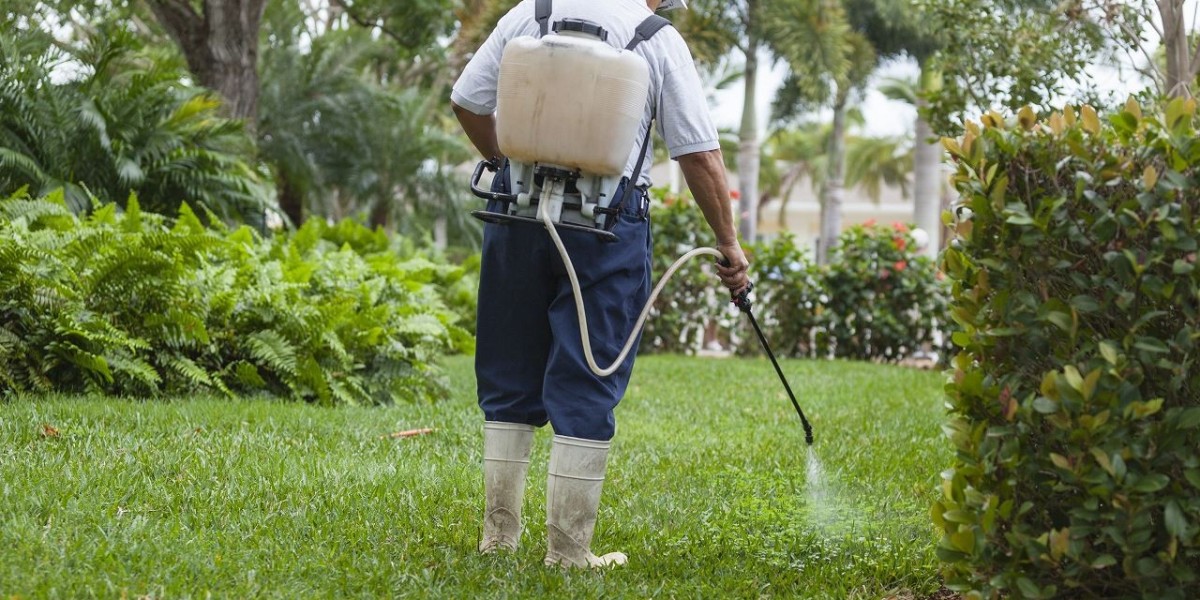
Treatment methods depend on the type of insect and how widely it has spread. Depending on the situation, professionals may recommend targeted applications or other appropriate control measures. Products should always be selected and applied according to their labels and safety instructions. Applying treatments without identifying the pest can waste time and may not resolve the underlying issue.
Supporting Grass Recovery
After insect activity is controlled, damaged grass may need time and proper care to recover. Homeowners should follow suitable watering and mowing practices for their grass variety. Severely affected sections may require additional lawn care, such as reseeding or replacing damaged turf. Recovery depends on the extent of the damage, soil conditions, and overall lawn health.
Preventing Future Insect Infestations
Regular lawn maintenance can make it easier to notice early changes and respond before insect populations increase. Removing excessive thatch, avoiding unnecessary stress on grass, and maintaining appropriate watering practices can support healthier turf. Homeowners should also monitor areas that have experienced previous damage because recurring insect activity may develop under favorable conditions.
Managing Moisture and Lawn Conditions
Watering habits can influence lawn health and the conditions that support certain insects. Both excessive moisture and insufficient watering can weaken grass, making it harder for turf to withstand environmental stress. Homeowners should follow watering recommendations for their grass type and local conditions. Proper drainage and consistent maintenance also help support stronger root development.
Protecting Outdoor Spaces
Lawn insect problems can affect more than appearance. Damaged grass may create uneven areas, reduce the usability of outdoor spaces, and increase the work needed to maintain the property. Regular inspections, appropriate treatment, and good lawn care habits help homeowners protect their yards and maintain a more attractive outdoor environment throughout the year.
Maintaining a Healthy Lawn
A healthy lawn requires consistent attention and a clear understanding of potential pest problems. Recognizing unusual patches, investigating possible insect activity, and choosing suitable treatment methods can help limit damage. By combining professional guidance with regular maintenance, property owners can support grass recovery, reduce recurring issues, and keep their outdoor spaces in better condition.







