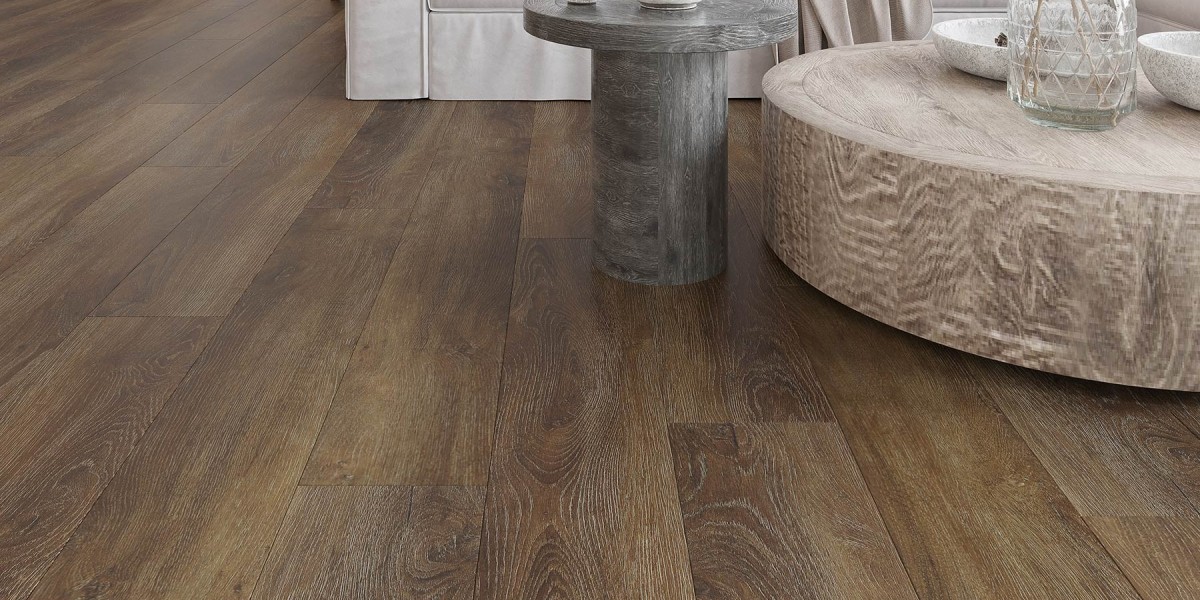


Flooring is an essential element of modern interior design because it influences the appearance, comfort, and functionality of every space. Whether decorating a residential property, renovating an apartment, or designing a commercial interior, selecting the right flooring can make a significant difference. Modern flooring is no longer viewed as simply a practical surface for walking. It has become an important design feature that helps establish the atmosphere, complement furniture, and connect different decorative elements.
As interior design preferences continue to change, homeowners and designers are exploring flooring solutions that combine attractive appearances with durability and convenient maintenance. Natural-looking finishes, neutral colours, large-format tiles, textured surfaces, and environmentally conscious materials are among the popular directions in contemporary flooring design. Manufacturers are also introducing new patterns and technologies that provide more choices for different lifestyles and budgets.
Another noticeable development is the growing interest in flooring materials that offer both style and practical performance. Homeowners increasingly look for surfaces that are easy to clean, comfortable underfoot, and suitable for everyday activities. Materials such as luxury vinyl, SPC, laminate, porcelain, hardwood, and decorative epoxy flooring provide different possibilities for creating modern interiors.
When planning a renovation, it is important to select a product that complements the overall design while meeting the requirements of the room. Professional services for vinyl Flooring Installation in Dubai can help property owners explore suitable vinyl products and achieve a neat, consistent finish. Understanding the latest flooring trends makes it easier to choose a design that looks attractive today and remains practical for years to come.
1. Natural Wood-Look Flooring
Natural wood-inspired flooring continues to be a popular choice in modern interior design. Many homeowners appreciate the warmth and character of timber but prefer flooring alternatives that offer different maintenance and budget options.
Laminate, vinyl, and SPC flooring are available in realistic wood-effect designs. These products can reproduce the appearance of natural grain patterns, knots, and timber shades. They allow homeowners to achieve a wooden aesthetic without necessarily choosing solid hardwood.
Light oak, warm walnut, and natural beige shades are especially versatile because they complement a wide range of furniture and wall colours. Wood-look flooring works well in living rooms, bedrooms, dining areas, and selected office interiors.
This trend is suitable for people who want a welcoming environment with a natural appearance. When selecting a product, consider its surface texture, durability, and suitability for the intended room.
2. Neutral and Earthy Flooring Colours
Colour selection has a major influence on interior decoration. Modern flooring trends increasingly include neutral and earthy shades that create a calm and balanced atmosphere.
Beige, cream, soft grey, warm brown, and natural sand colours are popular choices because they work with different decorative styles. These shades can complement minimalist furniture, wooden accessories, neutral walls, and contemporary lighting.
Earth-inspired colours can also make interiors feel more connected to natural materials. They are particularly useful in homes where designers want to create a relaxing atmosphere without relying on bold decorative patterns.
Another advantage of neutral flooring is its flexibility. Homeowners can update furniture, curtains, or wall colours without necessarily replacing the floor. This makes neutral shades a practical choice for long-term interior design.
3. Large-Format Floor Tiles
Large-format tiles are an increasingly popular option for contemporary residential and commercial spaces. Their larger dimensions can create a cleaner and more continuous appearance compared with smaller tiles.
Since large tiles may require fewer visible grout lines, they can help create a spacious visual effect. This makes them particularly attractive for open-plan living rooms, modern kitchens, hotel interiors, and commercial reception areas.
Porcelain tiles are commonly available in large formats and can imitate marble, natural stone, concrete, and other materials. Their design flexibility allows homeowners to create elegant interiors while selecting a surface suited to their practical requirements.
However, large-format tiles require careful installation. The underlying surface must be properly prepared, and suitable adhesives and levelling systems should be used to achieve an even finish.
4. Luxury Vinyl Flooring
Luxury vinyl flooring has become an important option in modern interior design because it combines design flexibility with practical features. It is available in plank, tile, and other formats, offering a variety of patterns and finishes.
Many luxury vinyl products imitate natural timber and stone. This makes it possible to achieve the appearance of premium materials while exploring different price ranges.
Benefits of luxury vinyl flooring include:
A wide selection of colours and decorative designs.
Easy routine cleaning and maintenance.
Comfortable surfaces compared with some traditional hard flooring materials.
Waterproof options for suitable moisture-prone areas.
Different installation formats for residential and commercial projects.
Vinyl flooring can be considered for living rooms, bedrooms, kitchens, offices, and selected bathrooms, depending on the product specifications. Always check whether a particular product is waterproof or only water-resistant before installation.
5. Textured and Embossed Flooring
Modern flooring is not only about colour and pattern. Texture is also becoming an important design feature. Textured flooring can create a more natural appearance and add visual depth to otherwise simple interiors.
Embossed wood-look vinyl and laminate products can reproduce the feel of natural timber grain. Stone-effect tiles may include textured surfaces that provide a more realistic appearance.
These finishes can complement contemporary furniture and decorative wall treatments. They are particularly useful when homeowners want to introduce character without using overly complicated patterns.
When choosing textured flooring, consider its cleaning requirements and safety characteristics. In bathrooms, kitchens, and entrance areas, the surface should provide appropriate slip resistance for the intended conditions.
6. Sustainable and Environmentally Conscious Flooring
Environmental awareness is influencing many areas of interior design, including flooring selection. Homeowners are increasingly interested in materials that support responsible resource use and offer reliable long-term performance.
Bamboo flooring is one option because bamboo is a rapidly renewable plant material. Some manufacturers also offer flooring made with recycled content or materials sourced through responsible production practices.
Natural linoleum is another option made using ingredients that can include linseed oil, wood flour, and cork dust. Its environmental characteristics depend on the product's complete composition and manufacturing process.
When selecting environmentally conscious flooring, look beyond marketing descriptions. Check product certifications, material information, manufacturing details, and expected lifespan. A durable floor that does not require frequent replacement may also support more responsible long-term consumption.
7. Herringbone and Chevron Patterns
Patterned flooring is gaining attention as homeowners look for ways to introduce distinctive details into modern interiors. Herringbone and chevron layouts are popular examples because they add movement and visual interest.
In a herringbone pattern, rectangular planks are arranged in an alternating direction to create a distinctive zigzag effect. Chevron flooring uses angled plank ends to form continuous V-shaped lines.
These patterns are commonly used with hardwood, engineered wood, and suitable laminate or vinyl products. They can create an elegant feature in living rooms, hallways, dining areas, and entrance spaces.
Patterned flooring can become a focal point, so it is often best combined with relatively simple furniture and wall decoration. Professional installation is important to maintain consistent alignment and a balanced appearance.
8. Concrete-Look and Industrial Flooring
Industrial-inspired interiors remain a popular design direction for modern homes, offices, cafés, and retail spaces. Concrete-look flooring supports this style through simple surfaces, neutral shades, and understated textures.
Porcelain tiles, polished concrete, and decorative epoxy flooring can all create concrete-inspired appearances. Grey, charcoal, and soft cement shades are commonly selected for this type of interior.
These surfaces can complement exposed brick, metal accessories, glass partitions, and minimalist furniture. They are especially effective in open-plan spaces where a consistent floor finish helps connect different functional areas.
The correct product should be selected according to the room's purpose. For example, a commercial workshop may have different performance requirements from a residential living room.
9. Waterproof and Moisture-Resistant Flooring
Practical flooring solutions are becoming increasingly important in modern homes. Kitchens, bathrooms, laundry rooms, and entrance areas require surfaces that can handle regular cleaning and occasional water exposure.
Waterproof vinyl, suitable SPC products, and porcelain tiles are popular options for these environments. They offer different appearances and performance characteristics, making it possible to select a suitable design for each room.
Waterproof flooring can also provide peace of mind in busy households where accidental spills are common. However, a waterproof floor covering does not automatically make the entire room waterproof. Proper subfloor preparation, installation, joint treatment, and suitable room waterproofing are still important.
Always review the manufacturer's product specifications to understand the difference between water-resistant and waterproof materials.
10. Mixed-Material Flooring Designs
Combining different flooring materials is another way to create visually interesting modern interiors. This approach can help define separate functional areas without installing walls or partitions.
For example, an open-plan kitchen may use one flooring material in the cooking area and another in the dining space. Tiles can be combined with wood-look flooring to create a decorative transition between different zones.
Mixed-material designs can also introduce contrast through colours, textures, and patterns. However, the transition between materials should be carefully planned to avoid uneven surfaces or awkward visual breaks.
Choose materials with compatible heights and suitable performance characteristics. A coordinated colour palette can help different flooring types work together successfully.
11. Matte and Low-Gloss Finishes
Although glossy flooring remains popular in some interiors, matte and low-gloss finishes are receiving attention for their understated appearance.
Matte flooring can create a soft, contemporary atmosphere and complement natural materials such as wood, stone, and textured fabrics. It may also make minor surface marks less noticeable than some highly reflective finishes, depending on the product.
These finishes are available in porcelain tiles, laminate, vinyl, and other flooring materials. They are particularly suitable for minimalist and Scandinavian-inspired interiors.
When selecting a matte surface, check its cleaning instructions and slip-resistance rating. The best finish should combine the desired appearance with the practical requirements of the room.
12. Flooring with Improved Acoustic Comfort
Sound management is another consideration in modern interior design, especially in apartments, multi-storey homes, offices, and shared buildings.
Certain flooring systems can help reduce impact noise and improve the acoustic experience of a room. Carpet is often selected because its fibres absorb some everyday sound. Suitable vinyl and laminate systems may also be installed with compatible acoustic underlay.
The effectiveness of sound reduction depends on the complete flooring system, the building structure, and the installation method. Product specifications should be reviewed before selecting materials for areas where noise control is important.
Choosing appropriate flooring can support a more comfortable indoor environment while maintaining the desired decorative style.
Tips for Choosing the Right Modern Flooring Trend
Following current design trends can help refresh an interior, but the final selection should suit your property and lifestyle. Consider these practical tips before making a decision:
Understand your requirements: Identify whether appearance, comfort, durability, or moisture resistance is your main priority.
Consider room usage: Select materials according to foot traffic and the activities taking place in each area.
Coordinate colours: Choose shades that complement your walls, furniture, lighting, and decorative accessories.
Compare materials: Review the advantages and limitations of vinyl, laminate, SPC, tiles, hardwood, and other options.
Check maintenance needs: Make sure you understand the recommended cleaning routine.
Set a realistic budget: Include the cost of installation, accessories, and subfloor preparation.
Prioritise quality installation: Follow the manufacturer's instructions and use suitable installation professionals.
Think long term: Choose a design that you will continue to appreciate even as interior trends change.
Conclusion
The latest flooring trends for modern interior design combine attractive appearances with practical performance. Natural wood-look finishes, neutral colours, large-format tiles, luxury vinyl, textured surfaces, sustainable materials, and decorative patterns offer homeowners many ways to improve their interiors.
The best flooring choice is not necessarily the trendiest or most expensive option. It is the material that complements your design preferences while meeting the functional requirements of your space. By considering durability, comfort, maintenance, moisture exposure, and installation quality, you can create a modern interior that remains stylish and practical for years to come.







