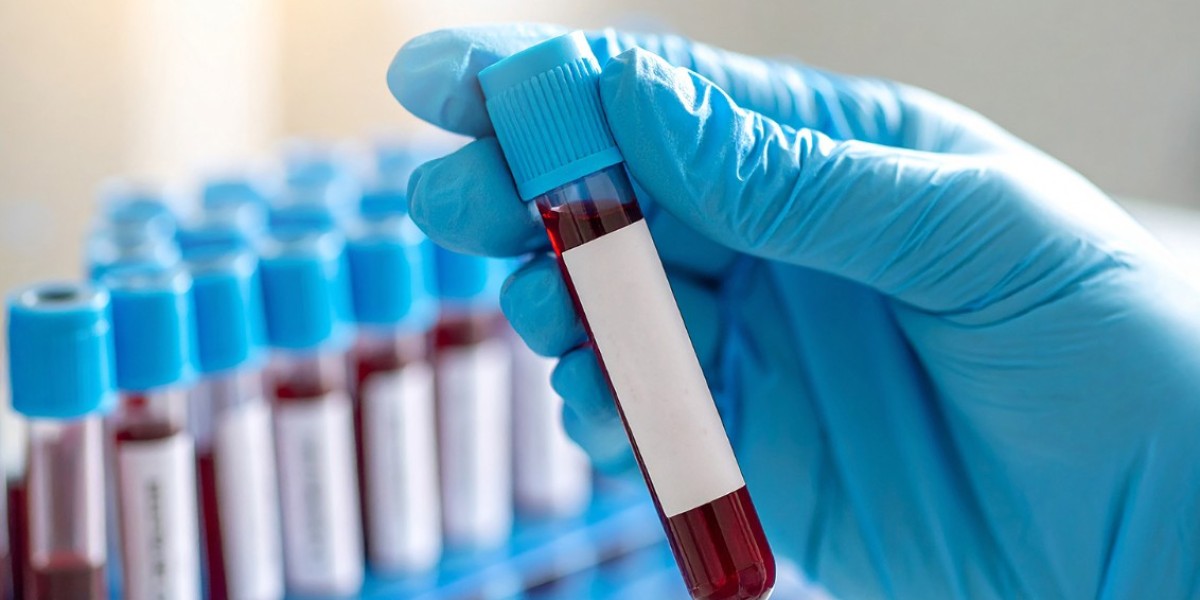


The Widal Test is a commonly used blood test that helps detect antibodies produced against Salmonella Typhi, the bacteria responsible for typhoid fever. It is often recommended for people experiencing prolonged fever and symptoms suggestive of typhoid. Since antibody levels can vary depending on the stage of infection, doctors usually interpret the Widal Test along with symptoms, medical history, and other diagnostic tests.
This article explains the Widal Test, its purpose, procedure, preparation, result interpretation, and benefits.
What Is a Widal Test?
A Widal Test is a serological blood test that measures antibodies against the O (somatic) and H (flagellar) antigens of Salmonella Typhi and, in some cases, Salmonella Paratyphi. It helps support the diagnosis of typhoid fever, particularly in areas where the disease is common.
Why Is a Widal Test Done?
Doctors may recommend a Widal Test to:
- Help diagnose typhoid fever
- Detect antibodies against Salmonella Typhi
- Investigate prolonged or unexplained fever
- Support diagnosis alongside clinical symptoms
- Assist in treatment planning
Who Should Get a Widal Test?
A healthcare provider may advise a Widal Test if you:
- Have a fever lasting several days
- Experience abdominal pain
- Suffer from headache and weakness
- Have nausea, vomiting, or loss of appetite
- Experience constipation or diarrhoea
- Have recently consumed contaminated food or water
- Have travelled to areas where typhoid is common
Symptoms That May Require a Widal Test
Common symptoms include:
- Persistent high fever
- Weakness and fatigue
- Headache
- Abdominal discomfort
- Loss of appetite
- Nausea
- Vomiting
- Constipation or diarrhoea
- Muscle aches
Because these symptoms can resemble other infections, additional tests may sometimes be required.
How Is a Widal Test Performed?
The procedure is quick and simple.
- A healthcare professional collects a blood sample from a vein in your arm.
- The sample is sent to a laboratory.
- The laboratory measures antibody levels against Salmonella antigens.
- Reports are generally available within 24 hours, depending on the laboratory.
Many laboratories also provide home sample collection services.
Preparation for a Widal Test
Generally, very little preparation is needed.
- Fasting is usually not required.
- Inform your doctor if you have already started antibiotics.
- Stay hydrated before sample collection.
- Follow any instructions provided by your healthcare provider or laboratory.
Understanding Widal Test Results
Only a qualified healthcare professional should interpret the results.
Generally:
- Negative Result: Antibody levels are not suggestive of typhoid infection, although testing very early in the illness may produce a negative result.
- Positive Result: Elevated antibody titres may indicate typhoid fever. Doctors usually correlate the findings with symptoms and may recommend additional tests such as a blood culture for confirmation.
The Widal Test alone should not be used to make a final diagnosis.
Advantages of a Widal Test
Some benefits of the Widal Test include:
- Simple blood sample collection
- Widely available
- Cost-effective screening method
- Supports early evaluation of suspected typhoid
- Quick report availability
- Helps doctors plan further investigations when necessary
Limitations of a Widal Test
The Widal Test has certain limitations:
- False-positive and false-negative results may occur.
- Previous infections or vaccination can influence antibody levels.
- Accuracy depends on the timing of testing.
- Confirmatory tests may still be required.
Tips to Reduce the Risk of Typhoid
To help prevent typhoid fever:
- Drink clean and safe water.
- Wash hands before eating and after using the toilet.
- Eat freshly cooked food.
- Avoid contaminated food and beverages.
- Wash fruits and vegetables thoroughly.
- Maintain good personal hygiene.
- Consider typhoid vaccination if recommended by your healthcare provider.
When Should You Consult a Doctor?
Seek medical advice if you have:
- High fever lasting more than a few days
- Persistent abdominal pain
- Severe weakness
- Continuous vomiting
- Bloody stools
- A positive Widal Test result
- Symptoms that worsen despite treatment
Prompt diagnosis and treatment help reduce the risk of complications.
Conclusion
The Widal Test is a widely used blood test that helps detect antibodies associated with typhoid fever. Although it is useful as a screening tool, the results should always be interpreted alongside symptoms, medical history, and other laboratory investigations. If you have prolonged fever or other signs of typhoid, consult your healthcare provider for appropriate testing and timely treatment to support a faster recovery.