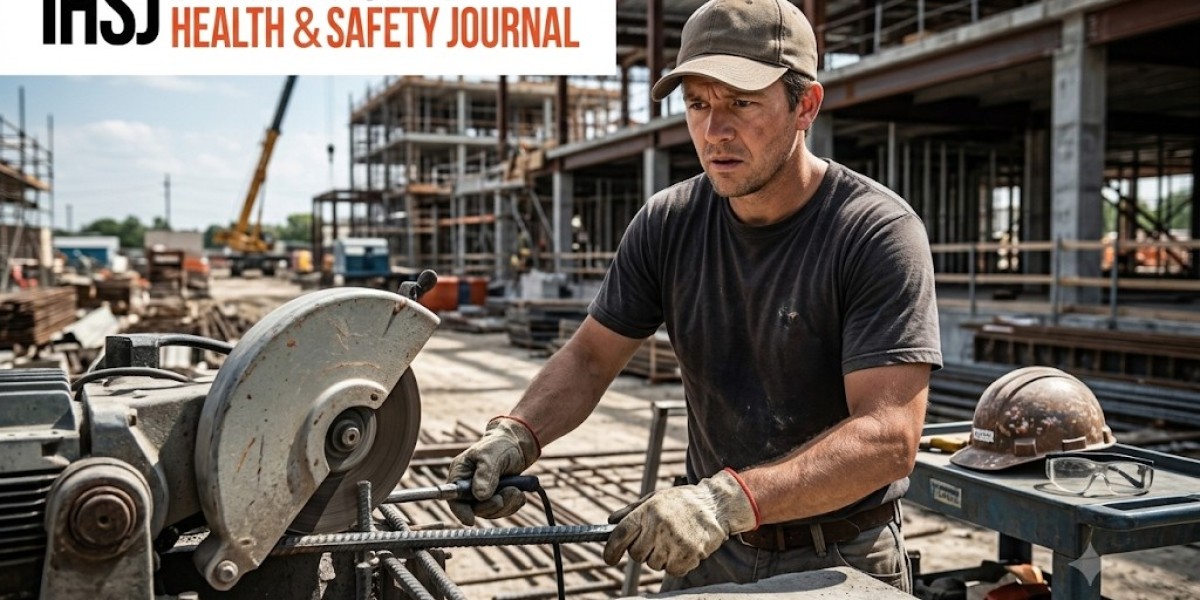


Construction safety often focuses on major hazards such as falling objects, machinery accidents and working at height. However, smaller equipment-related decisions can also have serious consequences. A helmet that does not fit correctly, gloves that restrict movement or footwear that provides insufficient grip can expose workers to preventable injuries.
The effectiveness of personal protective equipment in construction depends not only on whether employees wear protective items but also on whether those items are suitable for their tasks, correctly fitted and maintained.
Selecting the wrong equipment can create a false sense of security. Workers may believe they are protected while remaining exposed to hazards that their equipment cannot adequately address.
Why Choosing the Right PPE Matters
Construction activities involve different levels of physical exposure. Employees may handle sharp materials, operate machinery, work near electrical installations or move across uneven surfaces.
Each activity requires protection designed for its particular hazards. General-purpose equipment may not always provide sufficient protection in specialised working environments.
For example, ordinary work gloves may reduce minor abrasions but may not provide adequate protection against sharp edges, chemicals or high temperatures. Similarly, standard footwear may offer limited protection when workers regularly handle heavy materials.
An effective equipment selection process begins with identifying workplace hazards and matching suitable protective items to the risks involved.
The Problem with Poorly Fitted Protective Equipment
Equipment that does not fit properly can reduce protection and interfere with everyday activities.
A loose helmet may shift during movement, potentially exposing parts of the head to impact hazards. Safety glasses that do not sit correctly can allow dust and debris to enter around the edges.
Gloves that are excessively large may reduce grip and make it difficult to handle small tools. Tight gloves, meanwhile, can restrict movement and cause discomfort during prolonged tasks.
Footwear also requires careful attention. Shoes that are too large can affect balance, while excessively tight footwear may cause discomfort and reduce concentration.
Workers should receive equipment in appropriate sizes and understand how to adjust it correctly. Fit testing and practical demonstrations can help identify problems before equipment is used in demanding conditions.
Understanding the Risks of Incompatible PPE
Wearing multiple protective items does not automatically provide comprehensive protection.
Some equipment can interfere with other protective components when selected without considering compatibility.
For instance, safety helmets, hearing protection and face shields may require compatible fittings. If these items do not work together, employees may experience discomfort or reduced protection.
Respiratory equipment presents another important consideration. Facial hair, poorly fitted eyewear or incompatible headgear can affect the seal of certain tight-fitting respirators.
Safety managers should evaluate protective equipment as a complete combination rather than approving each item independently.
This is an important part of managing personal protective equipment in construction, particularly in environments where employees need several forms of protection simultaneously.
When the Wrong Gloves Increase Workplace Risks
Hand injuries are a significant concern in construction because workers regularly handle tools, machinery, metal components, timber and other materials.
However, not all gloves provide the same level of protection.
Cut-resistant gloves are designed for particular cutting hazards, while chemical-resistant gloves are selected according to the substances involved. Heat-resistant varieties are intended for specific thermal exposures.
Using the wrong type can expose employees to unnecessary risks. For example, gloves that are unsuitable for chemical handling may allow hazardous substances to contact the skin.
There is also a need to consider situations where gloves themselves introduce additional risks, such as entanglement around rotating machinery. Task-specific risk assessments should determine whether gloves are appropriate.
Footwear and the Risk of Preventable Slips
Construction environments frequently contain loose materials, wet surfaces, uneven ground and temporary access routes.
Protective footwear should therefore be selected according to the conditions workers are expected to encounter.
Slip-resistant soles can help reduce the likelihood of losing balance, while protective toe components can help guard against certain impact and compression hazards.
However, damaged soles, worn tread patterns and unsuitable footwear can undermine these protective benefits.
Regular inspections should examine the condition of footwear, including soles, stitching and protective components. Employees should also be encouraged to report discomfort or damage.
Why PPE Compliance Is More Than Wearing Equipment
Some employees avoid wearing particular protective items because they find them uncomfortable, restrictive or unsuitable for their tasks.
This creates a challenge for supervisors who must maintain safety standards while understanding practical workplace difficulties.
Simply instructing employees to wear equipment may not solve the underlying problem. If respiratory masks are uncomfortable, gloves restrict movement or eyewear repeatedly fogs, workers may be less likely to use them consistently.
Supervisors should investigate these concerns and consider whether alternative approved equipment can provide suitable protection.
Effective personal protective equipment in construction depends on employee participation, appropriate equipment selection and clear workplace procedures.
Building an Effective Equipment Selection Process
A reliable PPE selection process should begin with a detailed assessment of job-related hazards.
Safety managers should consider:
The type and severity of potential workplace hazards.
The level of exposure expected during each activity.
Equipment sizing and adjustment requirements.
Compatibility between different protective items.
Relevant safety standards and manufacturer instructions.
Cleaning, maintenance and replacement requirements.
Workers should also receive training that explains the purpose of each protective item.
Equipment records can help supervisors monitor distribution, inspection dates and replacement requirements. This makes it easier to identify recurring problems and improve purchasing decisions.
The International Health and Safety Journal provides an appropriate editorial platform for examining practical approaches to improving occupational protection and workplace safety awareness.
Making Better PPE Decisions Before Accidents Occur
The wrong protective equipment can create risks that are not immediately visible. Employees may continue working without recognising that their equipment provides insufficient protection.
Regular workplace assessments, practical fitting sessions and open communication can help identify these problems early.
Organisations should also review equipment whenever work activities change or new hazards emerge. A product that is suitable for one task may not be appropriate for another.
Ultimately, personal protective equipment in construction must be selected according to actual working conditions rather than convenience or appearance.
When equipment fits correctly, functions as intended and works alongside other protective items, workers are better positioned to carry out their responsibilities safely.
Frequently Asked Questions
1. What happens when construction workers use the wrong PPE?
Incorrect equipment may provide inadequate protection, restrict movement or introduce additional hazards, increasing the likelihood of workplace injuries.
2. Why is PPE fitting important?
Correct fitting helps equipment remain in the appropriate position and perform its intended protective function.
3. Can workers use the same gloves for every construction task?
No. Different tasks may require cut-resistant, chemical-resistant, heat-resistant or other specialised gloves.
4. What is PPE compatibility?
Compatibility means that different protective items can be worn together without interfering with their fit, function or protective performance.
5. How can construction managers improve PPE compliance?
They can provide suitable equipment, conduct practical training, address comfort concerns and carry out regular inspections.







