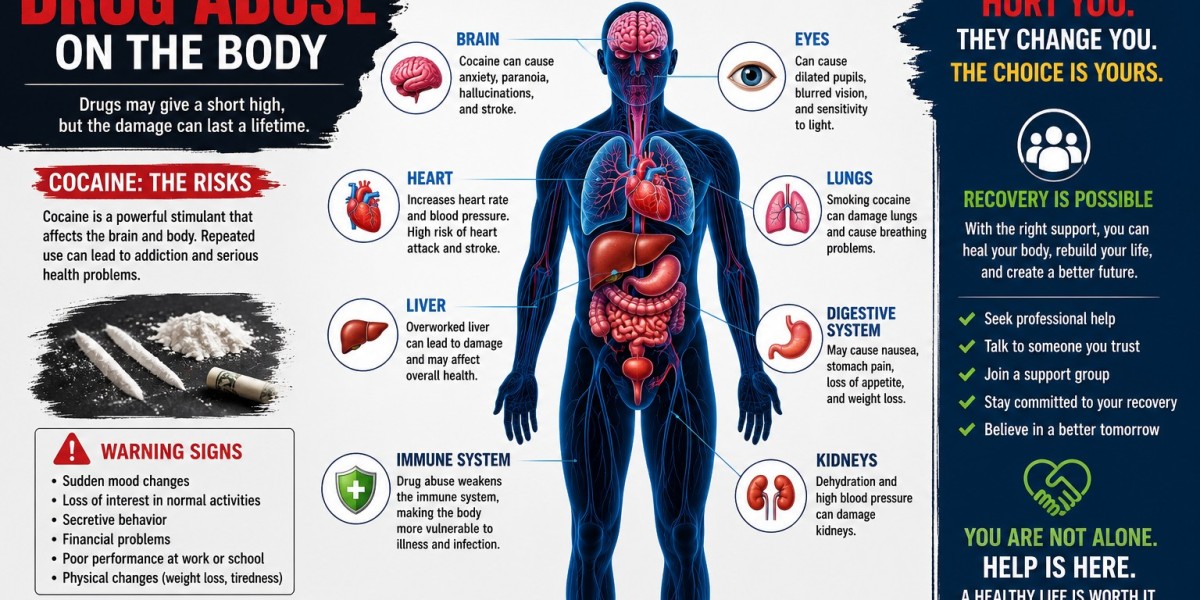


Addiction can affect more than the person who is struggling with substance use. It can also have a significant impact on parents, partners, children, siblings, and close friends. Families may experience stress, confusion, fear, frustration, and sadness while trying to understand what their loved one is going through.
Family support for addiction recovery can make a meaningful difference. A supportive family environment can encourage a person to seek treatment, remain connected to recovery goals, and develop healthier habits. At the same time, family members need support and guidance of their own.
Recovery is a journey that takes time. There may be challenges along the way, but compassion, communication, professional treatment, and healthy boundaries can help families move forward together.
Understanding Addiction as a Health Condition
One of the first steps in supporting a loved one is understanding that addiction is a complex health condition.
A person struggling with addiction may find it difficult to control substance use even when they understand the negative consequences.
Addiction can be influenced by many factors, including genetics, stress, trauma, mental health concerns, and environmental influences.
Understanding these factors can help family members respond with compassion instead of blame.
This does not mean ignoring harmful behavior. It means recognizing that professional support may be necessary to address the underlying problem.
Why Family Support Matters
Family support can provide encouragement during difficult stages of recovery.
A person who feels supported may be more willing to discuss their challenges and seek professional assistance.
Families can help by:
- Encouraging treatment
- Providing emotional support
- Listening without immediate judgment
- Supporting healthy routines
- Helping with practical responsibilities
- Encouraging professional care
- Learning about addiction and recovery
- Maintaining healthy boundaries
Support does not mean solving every problem for a loved one. Instead, it means creating an environment where recovery is encouraged and healthy choices are respected.
Learning About Addiction
Education is an important part of family support.
When family members understand how addiction works, they may be better prepared to respond to difficult situations.
Learning about triggers, cravings, withdrawal, treatment, and relapse can help families understand what their loved one may be experiencing.
Education can also reduce misunderstandings.
Addiction is not simply a matter of poor choices or a lack of willpower. It is a condition that can require professional treatment and ongoing support.
Communicating With Compassion
Communication can be difficult when addiction has created conflict within a family.
Family members may feel angry or disappointed.
The person struggling with addiction may feel ashamed or defensive.
Using calm and respectful communication can help create a more productive conversation.
Instead of making accusations, family members can focus on expressing concern.
For example, saying, "I am worried about your health and want to support you," may be more helpful than using language that creates blame.
The goal is to encourage honest communication while maintaining appropriate boundaries.
Listening Without Judgment
Sometimes, simply listening can be valuable.
A person struggling with addiction may be afraid to talk because they expect criticism.
Family members can create a safe environment by listening carefully and allowing the person to express their feelings.
Listening does not mean agreeing with harmful behavior.
It means giving the individual an opportunity to be heard.
When people feel respected, they may be more open to discussing treatment and recovery.
Encouraging Professional Treatment
Families can encourage their loved ones to seek professional help.
Treatment may include:
- Addiction counseling
- Behavioral therapy
- Medical care
- Rehabilitation
- Mental health services
- Group therapy
- Family counseling
- Aftercare support
The appropriate treatment depends on the person's individual needs.
A qualified healthcare professional or addiction counselor can help determine what type of support may be appropriate.
Family Counseling
Family counseling can help address the impact of addiction on relationships.
A trained professional can help family members communicate more effectively and understand one another's experiences.
Family therapy may also help individuals discuss difficult topics in a structured and supportive environment.
It can provide an opportunity to rebuild trust and establish healthier relationship patterns.
Setting Healthy Boundaries
Supporting someone with addiction does not mean accepting harmful behavior.
Healthy boundaries are important for both the individual in recovery and their family.
Boundaries may involve decisions about:
- Money
- Living arrangements
- Communication
- Personal safety
- Household responsibilities
Family members should clearly communicate what they can and cannot accept.
Boundaries should be consistent and respectful.
Avoiding Enabling Behavior
There is an important difference between supporting someone and enabling harmful behavior.
Enabling may involve repeatedly covering up problems, making excuses, or providing resources that allow harmful substance use to continue.
Supportive behavior focuses on encouraging healthy choices and professional treatment.
Families can offer emotional support without taking responsibility for every consequence of addiction.
Supporting Healthy Routines
Recovery often becomes easier when individuals have structure in their daily lives.
Families can encourage healthy routines such as:
- Regular meals
- Consistent sleep
- Physical activity
- Medical appointments
- Counseling sessions
- Positive hobbies
- Social connections
Small routines can provide stability and help individuals focus on long-term recovery.
Helping During Difficult Moments
Recovery may involve challenging periods.
A person may experience cravings, stress, emotional difficulties, or other triggers.
Family members can encourage healthy coping strategies and remind their loved one about available support.
However, family members should not feel responsible for managing every crisis alone.
Professional help should be sought when the situation is beyond what the family can safely handle.
Avoiding Unsafe Online Drug Sources
People searching online for phrases such as Buy Cocaine Online may encounter counterfeit substances, unsafe products, scams, and other serious risks.
Families supporting someone with addiction should encourage professional treatment and reliable healthcare support rather than unsafe sources.
A qualified healthcare professional or addiction counselor can provide appropriate guidance and help connect individuals with recovery services.
Supporting Mental Health
Addiction and mental health challenges can sometimes occur together.
A person struggling with substance use may also experience anxiety, depression, trauma, or other emotional difficulties.
Families can encourage their loved one to seek mental health support when needed.
Treating both substance use and mental health concerns can provide a more complete approach to recovery.
Helping Rebuild Trust
Addiction can damage trust within families.
Promises may have been broken, and relationships may have experienced repeated conflict.
Rebuilding trust takes time.
Family members can focus on consistent actions rather than expecting immediate changes.
The person in recovery can work toward rebuilding trust by being honest, keeping commitments, and following their treatment plan.
Family members can also recognize progress while maintaining appropriate boundaries.
Supporting Relapse Prevention
Relapse prevention is an important part of long-term recovery.
Families can learn to recognize potential triggers and warning signs.
These may include:
- Increased stress
- Social isolation
- Changes in mood
- Returning to high-risk environments
- Loss of connection with treatment
- Increased cravings
If concerns arise, family members can encourage their loved one to reconnect with professional support.
A relapse or setback does not mean recovery has failed.
It may indicate that the treatment plan needs additional support or adjustment.
Taking Care of Yourself
Family members should not forget their own well-being.
Supporting someone with addiction can be emotionally exhausting.
Loved ones may experience stress, anxiety, anger, or burnout.
Family members can benefit from counseling, support groups, healthy hobbies, exercise, and time with trusted friends.
Taking care of yourself is not selfish.
A healthy family support system requires everyone to have access to appropriate care and emotional support.
Protecting Children and Other Family Members
Addiction can create an unstable environment for children and other vulnerable family members.
Adults should prioritize safety and stability.
Children should not be expected to manage an adult's addiction or take responsibility for recovery.
Age-appropriate communication can help children understand that addiction is a health problem and that they are not responsible for causing it.
Professional family counseling may be helpful when addiction significantly affects the home environment.
Celebrating Progress
Recovery is often made up of many small steps.
Family members can recognize progress such as attending counseling, maintaining healthy routines, improving communication, or reaching personal goals.
Positive encouragement can help individuals remain motivated.
At the same time, families should avoid putting unrealistic pressure on someone to recover quickly.
Everyone's recovery journey is different.
Building a Stronger Future Together
Family support can help create a healthier environment for long-term recovery.
By learning about addiction, communicating with compassion, encouraging professional treatment, and maintaining healthy boundaries, families can support positive change.
Recovery is not about returning to exactly how life was before addiction.
It is about creating a healthier future with better habits, stronger relationships, and improved well-being.
Conclusion
Family support for addiction recovery can play an important role in helping individuals move toward a healthier life. Compassionate communication, professional treatment, family counseling, healthy boundaries, and ongoing encouragement can provide valuable support throughout the recovery journey.
At the same time, families must remember to care for themselves. Supporting someone with addiction can be challenging, and family members also deserve professional guidance and emotional support.
If you or someone you care about is struggling with addiction, reaching out to a qualified healthcare professional or addiction counselor can be an important first step. Recovery takes time, but with appropriate treatment, supportive relationships, and healthy boundaries, individuals and families can work toward a safer, healthier, and more hopeful future.








