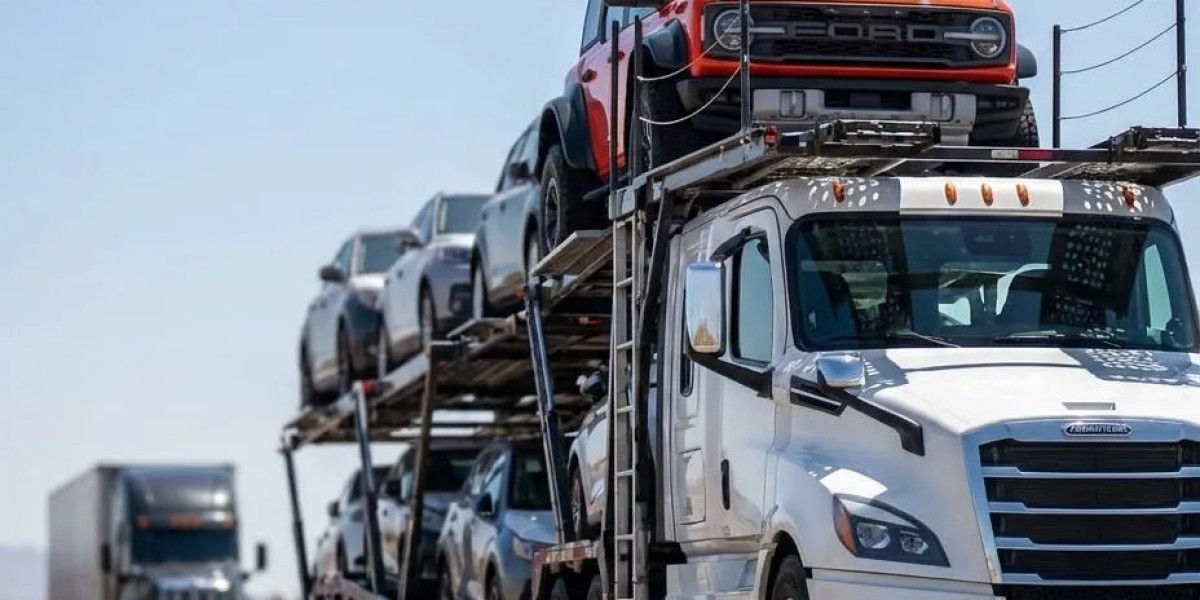


Transporting a vehicle that does not start or cannot be driven requires specialized equipment, careful handling, and professional coordination. Whether your car has engine problems, a dead battery, transmission failure, or accident damage, moving it safely to another location can be challenging. Professional auto transport services make it easier to relocate inoperable vehicles without putting additional stress on the vehicle or risking further damage.
Non-running car shipping is a practical solution for individuals, dealerships, repair shops, and businesses that need to move vehicles across cities or state lines. Understanding how the process works can help you choose the right transportation option and prepare your vehicle for pickup.
What Is Non-Running Car Shipping?
Non-running car shipping is a specialized vehicle transportation service designed for cars that cannot operate independently. Unlike standard vehicle shipping, which generally involves vehicles that can be driven onto a trailer, inoperable vehicles often require winches, hydraulic lift gates, forklifts, or other loading equipment.
Vehicles may qualify for this service for several reasons, including:
Engine failure or mechanical breakdowns
Dead batteries or electrical problems
Transmission or drivetrain issues
Flat tires or damaged wheels
Accident-related damage
Vehicles that have been sitting unused for extended periods
Classic or project cars undergoing restoration
Professional carriers evaluate the vehicle's condition before arranging the appropriate loading and transportation method.
How Does Non-Running Vehicle Transportation Work?
Shipping an inoperable vehicle involves additional planning compared with transporting a standard running car. The process generally follows several important steps.
1. Request a Transportation Quote
The first step is providing information about your vehicle, pickup location, delivery destination, and preferred shipping dates. It is important to explain why the vehicle is not running and whether it can roll, steer, and brake.
2. Select the Appropriate Carrier
The transportation provider determines which equipment is suitable for loading the vehicle. Depending on its condition, a carrier may use a winch-equipped trailer, flatbed, or specialized loading equipment.
3. Arrange Vehicle Pickup
Before pickup, the carrier coordinates access to the vehicle and confirms the loading requirements. Customers should ensure that the pickup location provides enough room for the carrier and its equipment.
4. Secure Transportation
Once loaded, the vehicle is carefully secured for the journey. Professional carriers use appropriate restraints and loading procedures to reduce unnecessary movement during transportation.
5. Delivery and Inspection
At the destination, the vehicle is unloaded using suitable equipment. Customers should inspect its condition and compare it with the original vehicle inspection report.
What Equipment Is Used to Ship Non-Running Cars?
The equipment required depends on the vehicle's mechanical condition and physical accessibility.
Winch-Equipped Trailers: Winches help pull vehicles onto trailers when their engines cannot provide power.
Flatbed Trucks: Flatbeds can be useful for transporting inoperable vehicles, particularly when loading access and vehicle dimensions are suitable.
Hydraulic Lift Gates: Lift gates help load certain vehicles without requiring them to be driven onto the trailer.
Specialized Loading Equipment: Severely damaged vehicles or vehicles with locked wheels may require additional equipment and arrangements.
Not every carrier has the same capabilities, so confirming equipment availability before scheduling transportation is essential.
Factors That Affect Non-Running Car Shipping Costs
The cost of transporting an inoperable vehicle depends on several factors. Understanding these elements can help customers plan their transportation budget.
Distance: Longer transportation routes generally involve higher overall shipping costs.
Vehicle Size and Weight: Larger and heavier vehicles may require additional trailer space and specialized equipment.
Mechanical Condition: Vehicles with locked wheels, missing tires, or severe damage may require extra loading arrangements.
Pickup and Delivery Locations: Remote locations, restricted access, and difficult loading conditions can affect pricing.
Transportation Type: Open and enclosed transportation options have different pricing structures.
Scheduling: Expedited transportation or specific pickup dates may increase the overall cost.
Providing accurate vehicle information helps transportation companies offer more appropriate quotes.
Open vs. Enclosed Transport for Inoperable Vehicles
Customers can consider open or enclosed transportation depending on their vehicle's value, condition, and protection requirements.
Open Car Transport
Open transport is a commonly used option for standard vehicles. It can be a practical choice for everyday cars, damaged vehicles, and non-running automobiles that can be safely loaded onto an appropriate trailer.
Enclosed Car Transport
Enclosed transport provides additional protection from weather conditions, road debris, and outside exposure. It may be suitable for classic cars, luxury vehicles, collectibles, and valuable restoration projects.
The availability of either option depends on the vehicle's condition and the carrier's loading equipment.
How to Prepare a Non-Running Vehicle for Shipping
Proper preparation can help make the transportation process smoother.
Remove personal belongings and unnecessary items from the vehicle.
Inform the carrier about all mechanical problems.
Disclose whether the steering, brakes, and wheels are functional.
Provide accurate vehicle dimensions and weight when requested.
Make sure the vehicle is accessible for loading equipment.
Photograph the vehicle before pickup.
Remove or secure loose exterior accessories.
Keep keys available if required for loading and unloading.
Clear communication is particularly important when transporting vehicles that cannot move under their own power.
Choosing a Reliable Non-Running Car Shipping Company
Selecting an experienced auto transport provider is essential when arranging transportation for an inoperable vehicle. Customers should look for companies that understand specialized loading requirements and can coordinate with appropriately equipped carriers.
Before choosing a provider, consider its industry experience, transportation options, communication practices, insurance arrangements, and customer feedback. Ask whether additional loading fees apply and confirm that the assigned carrier can accommodate your vehicle's specific condition.
Working with a professional transportation coordinator can help reduce confusion and make long-distance vehicle shipping more manageable.
Conclusion
Non-running car shipping provides a convenient way to transport vehicles that cannot be driven due to mechanical failures, accident damage, or other issues. With the right equipment, experienced carriers, and proper preparation, even inoperable automobiles can be transported safely across short or long distances.
Whether you are relocating a damaged car, purchasing a project vehicle, moving a classic automobile, or transporting inventory for a dealership, choosing a suitable auto transport provider makes the process easier. Always communicate your vehicle's condition clearly and confirm the carrier's equipment requirements before scheduling pickup.







