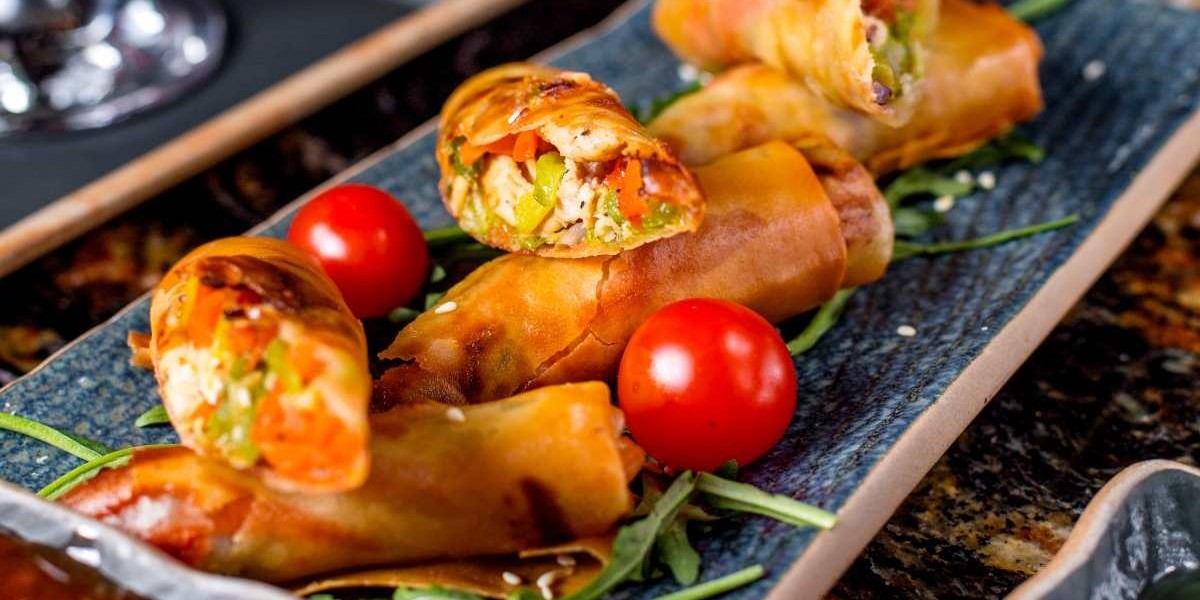


If you have ever wandered past a bakery stall or a bustling roadside in Douala or Yaoundé, you probably smelled them before you saw them: golden, buttery pastry wrapped around a filling of seasoned fish, onions, and just enough pepper to wake up your taste buds. Cameroonian Fish Rolls are one of the most loved snacks in Central and West Africa, and the good news is that you do not need a professional bakery to make them. With a handful of pantry staples, a little patience while the dough chills, and a fish of your choice, you can pull a tray of crisp, flaky rolls out of your own oven.
In this guide, I will walk you through everything: what makes this snack special, the exact ingredients, a detailed step-by-step method, the best fish to use, flavour variations, troubleshooting tips, storage advice, and answers to the questions home cooks ask most. Whether you are a beginner who has never made pastry or a seasoned baker looking for authentic flavour, this recipe is built to work in a regular home kitchen.
What Are Cameroonian Fish Rolls?
Cameroonian Fish Rolls are baked (or sometimes fried) pastry rolls filled with flaked, seasoned fish, sautéed onions, herbs, and chili. The pastry is a rich, flaky dough made from flour, butter or margarine, and cold water. They are eaten warm or at room temperature as a snack, party appetizer, lunchbox item, or light meal, and they are sold everywhere from bakeries to school gates.
At a glance:
Dough: flour, cold butter, salt, sugar, baking powder, ice-cold water
Filling: cooked fish, onion, garlic, ginger, thyme, curry powder, pepper
Bake: 200°C / 400°F for 25 to 30 minutes until deep golden
Texture: crisp, flaky outside and moist, savory inside
Best served: warm, with a spicy dipping sauce
What Makes Cameroonian Fish Rolls Special
Fish rolls are part of a wider West and Central African tradition of savory baked snacks. Cousins of the dish appear in Nigeria, Ghana, and Sierra Leone, but the Cameroonian style has its own personality. The filling leans on fresh aromatics such as onion, garlic, ginger, and thyme, and the seasoning is bold without being overwhelming. The pastry tends to be sturdy enough to hold in your hand yet tender enough to shatter when you bite into it.
A Snack Rooted in Everyday Life
In Cameroon, snacks like this are woven into daily routines. They appear at birthday parties, church gatherings, school events, and market days. A fish roll is affordable, portable, and filling, which is exactly why it has stayed popular for generations. Cameroon sits at the crossroads of Francophone and Anglophone food traditions, and the coastal regions around Douala and Limbe give fish a central place on the table. That mix of French-style pastry technique and local seafood is a big part of why this snack tastes the way it does.
Why Home Cooks Love Making Them
There are practical reasons, too. The dough can be made a day ahead, the filling is a great way to use leftover cooked fish, and the finished rolls freeze beautifully. If you enjoy exploring more dishes from this part of the world, browse our full African cuisine collection for more recipes with the same bold, comforting flavours.
Ingredients for Cameroonian Fish Rolls
To make Cameroonian Fish Rolls at home, gather the ingredients below. The quantities produce about 20 rolls, which is perfect for sharing or freezing.
For the Flaky Dough
500 g (4 cups) all-purpose flour, plus extra for dusting
1 teaspoon fine salt
1 tablespoon sugar
1 teaspoon baking powder
250 g (1 cup plus 2 tablespoons) cold unsalted butter or firm margarine, cubed
120 to 150 ml (½ to ⅔ cup) ice-cold water
For the Fish Filling
400 g (about 14 oz) cooked, boneless fish (mackerel, tilapia, catfish, or hake)
2 tablespoons vegetable oil
1 medium onion, finely diced
3 garlic cloves, minced
1 teaspoon freshly grated ginger
1 small hot pepper (scotch bonnet or habanero), minced, or ½ teaspoon chili flakes
1 teaspoon curry powder
1 teaspoon dried thyme
1 seasoning cube, crushed (optional)
1 medium potato, boiled and mashed (optional, helps bind the filling)
2 tablespoons chopped fresh parsley or spring onion
Salt and black pepper, to taste
For Finishing
1 egg beaten with 1 tablespoon milk (egg wash)
Sesame seeds (optional)
Equipment You Will Need
You do not need anything fancy. A large mixing bowl, a rolling pin, a sharp knife or pizza cutter, a pastry brush, two baking sheets lined with parchment paper, and a skillet for the filling are enough. A food processor can speed up the dough, but rubbing the butter in by hand works just as well and gives you better control.
Step-by-Step: How to Make the Pastry and Filling
Here is the full method for Cameroonian Fish Rolls, broken into clear stages so you can follow along without stress.
Step 1: Make the Dough
Whisk the flour, salt, sugar, and baking powder together in a large bowl. Add the cold butter cubes and rub them into the flour with your fingertips until the mixture looks like coarse breadcrumbs with a few pea-sized lumps of butter remaining. Those lumps are what create flaky layers, so resist the urge to over-mix.
Add the ice-cold water a little at a time, stirring with a fork until the dough just comes together. Press it into a flat disc, wrap it tightly, and refrigerate for at least 30 minutes. Cold dough is easier to roll and bakes up flakier.
Step 2: Prepare the Fish
If you are starting with raw fish, steam, poach, or bake it until it flakes easily, then remove every bone and the skin. Flake the meat with a fork into small, even pieces. If you are using leftover or smoked fish, simply flake it and double-check for tiny bones. Bones are the most common complaint with homemade fish pastries, so take your time here.
Step 3: Cook the Filling
Heat the oil in a skillet over medium heat. Sauté the onion for about 4 minutes until soft and translucent, then add the garlic, ginger, and hot pepper and cook for another minute until fragrant. Stir in the curry powder, thyme, and crushed seasoning cube and cook for 30 seconds to toast the spices.
Add the flaked fish and gently fold everything together. Mix in the mashed potato if using, along with the parsley, then season with salt and pepper. The filling should be moist but not wet. If it looks soupy, cook it for another minute or two to evaporate the excess liquid.
Step 4: Cool the Filling Completely
Spread the filling on a plate and let it cool to room temperature. Warm filling melts the butter in the dough, which leads to leaks, soggy bottoms, and flat rolls. This step is easy to skip and almost always regretted.
Step 5: Roll and Shape
Preheat your oven to 200°C (400°F). Divide the chilled dough into two portions. On a lightly floured surface, roll one portion into a rectangle roughly 3 mm (⅛ inch) thick, then cut it lengthwise into strips about 12 cm (5 inches) wide.
Spoon a line of filling down the center of each strip, leaving a border of about 2 cm. Brush one long edge with egg wash, fold the pastry over the filling, and press the edges together. Crimp with a fork to seal, then cut the long roll into pieces about 6 cm (2½ inches) long. Repeat with the remaining dough and filling.
Step 6: Bake Until Golden
Arrange the rolls on lined baking sheets, spaced about 2 cm apart. Brush the tops generously with egg wash, sprinkle with sesame seeds if you like, and prick each roll once with a fork so steam can escape. Bake for 25 to 30 minutes, rotating the trays halfway, until the pastry is deep golden brown. Let them cool on a wire rack for 10 minutes before serving.
Choosing the Best Fish for Cameroonian Fish Rolls
The fish you choose shapes the flavour and texture of the whole snack, so it deserves a little thought. In Cameroon, mackerel (often called "titus") is a favourite because it is oily, flavourful, and affordable. Outside Africa, you have plenty of good options.
Top Fish Options
Mackerel: Rich and savory with a robust flavour. Canned mackerel works well in a pinch, just drain it thoroughly.
Tilapia: Mild, flaky, and widely available. A great choice if you want a gentler flavour.
Catfish: Firm and slightly sweet, it holds its shape well in the filling.
Hake or cod: Clean-tasting white fish that lets the spices shine.
Smoked fish: Adds a deep, smoky note. Use about half smoked and half fresh for balance.
Cooking Your Own Fish From Scratch
If you would rather start with a whole fish, our step-by-step guide on how to make whole tilapia shows you how to season and cook the fish so it flakes beautifully. You can then pick the meat off the bones and use it directly in your filling.
Fresh, Frozen, or Canned?
Fresh fish gives the cleanest flavour, but frozen fillets thawed properly are perfectly fine. Canned fish is a convenient shortcut for busy days, though it tends to be saltier, so taste the filling before adding extra salt. Whichever you pick, make sure the fish is well drained and the filling is not too wet.
Flavour Variations to Try
Once you have mastered the classic version, it is easy to experiment. The pastry is a blank canvas, and the filling welcomes creativity.
Spicy Pepper Version
Double the hot pepper and add a pinch of smoked paprika. A spoonful of ground crayfish, a staple in many Cameroonian kitchens, adds a savory depth that is hard to replicate.
Herb-Forward Version
Add chopped fresh basil, spring onions, and a squeeze of lime to the cooled filling for a brighter, fresher taste.
Egg and Potato Version
Fold in a chopped hard-boiled egg and a little extra mashed potato for a heartier roll that is especially popular at parties.
Using Crispy Fried Fish
If you have leftover crispy fish, flake it into the filling for extra texture. Our recipe for deep-fried tilapia gives you golden, well-seasoned fish that works wonderfully for this purpose. Just reduce the added salt, since the fish will already be seasoned.
A Sweet-and-Savory Twist
For something different, use fish that has been cooked with a honey-soy glaze. A touch of sweetness against the buttery pastry is surprisingly delicious, and it is a smart way to turn dinner leftovers into a snack the next day.
Baking vs. Frying: Which Method Is Better?
Both methods are traditional, but they give different results.
Baking
Baking produces a lighter, flakier roll with a deep golden colour. It is the better choice for large batches, uses less oil, and requires less attention. This is the method I recommend for most home cooks.
Frying
Frying gives a crunchier, more blistered crust, similar to a hand pie. Heat oil to 170°C (340°F) and fry the sealed rolls in small batches for 3 to 4 minutes, turning once, until golden. Drain on paper towels. Because frying cooks fast, the dough should be rolled slightly thicker so it does not burst.
Troubleshooting: Fixing Common Problems
Even experienced bakers run into trouble now and then. Here is how to solve the most common issues.
My Pastry Is Tough
This usually means the dough was overworked or too much water was added. Mix only until the dough comes together, and always rest it in the fridge.
The Rolls Leaked in the Oven
Check that the edges are sealed firmly with egg wash and crimped with a fork. Also make sure the filling is completely cool and not too wet.
The Bottoms Are Soggy
Bake on the middle or lower rack and use a preheated baking sheet. A thinner, drier filling also helps.
The Pastry Is Not Flaky
Your butter likely became too warm. Keep everything cold, work quickly, and chill the shaped rolls for 15 minutes before baking if your kitchen is hot.
The Filling Tastes Bland
Seasoning is everything. Taste the filling before wrapping, and adjust with salt, pepper, thyme, or a little extra curry powder. The pastry is mild, so the filling needs to be boldly flavoured.
Serving Ideas and Pairings
Serve Cameroonian Fish Rolls warm from the oven, when the pastry is at its crispest. They are a natural fit for parties, picnics, and potlucks, but they also make a satisfying lunch when paired with a fresh salad.
Dipping Sauces
A spicy tomato-pepper sauce, a creamy garlic dip, or a simple mix of mayonnaise and hot sauce all work well. A squeeze of lemon over the top brightens the richness.
Turning Them Into a Full Meal
For a more substantial spread, serve a few rolls alongside a comforting bowl of fish curry and some steamed rice or a crisp green salad. The contrast between the flaky pastry and the saucy curry is wonderful.
Party Platter Tips
Cut the rolls into bite-sized pieces for appetizers, arrange them with lemon wedges and dipping bowls, and keep a second tray warming in a low oven so your guests always get a fresh one.
Storage, Freezing, and Make-Ahead Tips
One of the best things about this snack is how well it keeps.
Room temperature: Up to 4 hours, covered loosely.
Refrigerator: Up to 3 days in an airtight container. Reheat in a 180°C (350°F) oven for 8 to 10 minutes to restore crispness.
Freezer (unbaked): Freeze shaped rolls on a tray, then transfer to a freezer bag for up to 3 months. Bake from frozen, adding 5 to 8 minutes to the time.
Freezer (baked): Cool completely, freeze for up to 2 months, and reheat in the oven.
Make-ahead dough: The dough keeps in the fridge for 2 days or in the freezer for 1 month.
Avoid microwaving if you can. It softens the pastry and takes away everything that makes these rolls special.
Nutrition Notes and Healthier Tweaks
A typical roll contains roughly 180 to 220 calories, depending on size and the amount of butter. Fish provides high-quality protein and, if you use oily varieties like mackerel, omega-3 fatty acids. To lighten the recipe, you can use a mix of butter and olive oil, increase the vegetables in the filling, or make smaller rolls for portion control. Note that these figures are estimates, and exact values vary with ingredients, so check labels if you track nutrition closely.
Expert Tips From My Kitchen
After making many batches over the years, these are the habits that make the biggest difference:
Keep everything cold. Cold butter and ice water are the secret to flaky pastry.
Remove every bone. Run your fingers through the flaked fish twice.
Season boldly. The filling should taste slightly too strong on its own.
Do not overfill. Overstuffed rolls burst and leak.
Use egg wash generously. It gives the glossy, bakery-style finish.
Rest the dough. A rested dough rolls out smoothly and shrinks less.
Food safety matters too. Cook fish to an internal temperature of 63°C (145°F), cool leftovers within two hours, and reheat until steaming hot before eating.
Final Thoughts
Making Cameroonian Fish Rolls is a rewarding project that pays off every time you hear that first crackle of pastry. The recipe is forgiving, the flavours are bold, and the results freeze so well that one afternoon of cooking can give you snacks for weeks. Start with the classic version, keep your dough cold, season the filling generously, and do not rush the cooling step.
Once you have the basics down, experiment with different fish, spice levels, and shapes until the recipe feels like your own. Share a tray with friends and family, and you will likely be asked for the recipe before the last roll disappears. If you try it, leave a comment below with your favourite filling and any tips you discovered along the way. Happy baking!
Frequently Asked Questions
What is the difference between Cameroonian and Nigerian fish rolls?
Both are flaky pastries filled with seasoned fish, but the details vary. The Cameroonian style often uses more fresh aromatics such as ginger, garlic, and thyme, and may include crayfish or local peppers. Nigerian versions commonly use a slightly different spice blend and sometimes a firmer dough. Both are delicious, and many home cooks blend the two styles.
Can I use canned fish for the filling?
Yes. Canned mackerel, sardines, or tuna work well. Drain thoroughly, remove bones where possible, and reduce the added salt because canned fish is already seasoned.
Can I freeze Cameroonian Fish Rolls?
Absolutely. You can freeze them baked or unbaked. For the best texture, freeze unbaked rolls on a tray, bag them once solid, and bake straight from the freezer for an extra 5 to 8 minutes.
Why is my dough crumbly and hard to roll?
The dough probably needs a touch more water, or it was chilled for too long and needs 10 minutes at room temperature. Add water one teaspoon at a time and knead gently just until smooth.
Are they healthy?
They are a balanced treat. Fish adds protein and healthy fats, but the pastry contains butter and refined flour. Enjoy them in moderation as part of a varied diet.
How long do they take from start to finish?
Plan on about 2 hours in total, including 30 minutes of chilling and 30 minutes of baking. Making the dough the day before cuts the active time considerably.







