

In today's healthcare landscape, delivering exceptional patient care begins long before a patient meets a healthcare provider. The appointment scheduling process is often the first interaction patients have with a healthcare organization, making it a critical part of the overall patient experience. A complicated booking process, long wait times, or scheduling errors can lead to frustration, missed appointments, and operational inefficiencies.
AI-powered appointment scheduling is transforming this experience by making the booking process faster, smarter, and more convenient. Through intelligent automation, healthcare organizations can improve access to care, reduce administrative burdens, and create a seamless scheduling experience for both patients and staff.
What Is AI-Powered Appointment Scheduling?
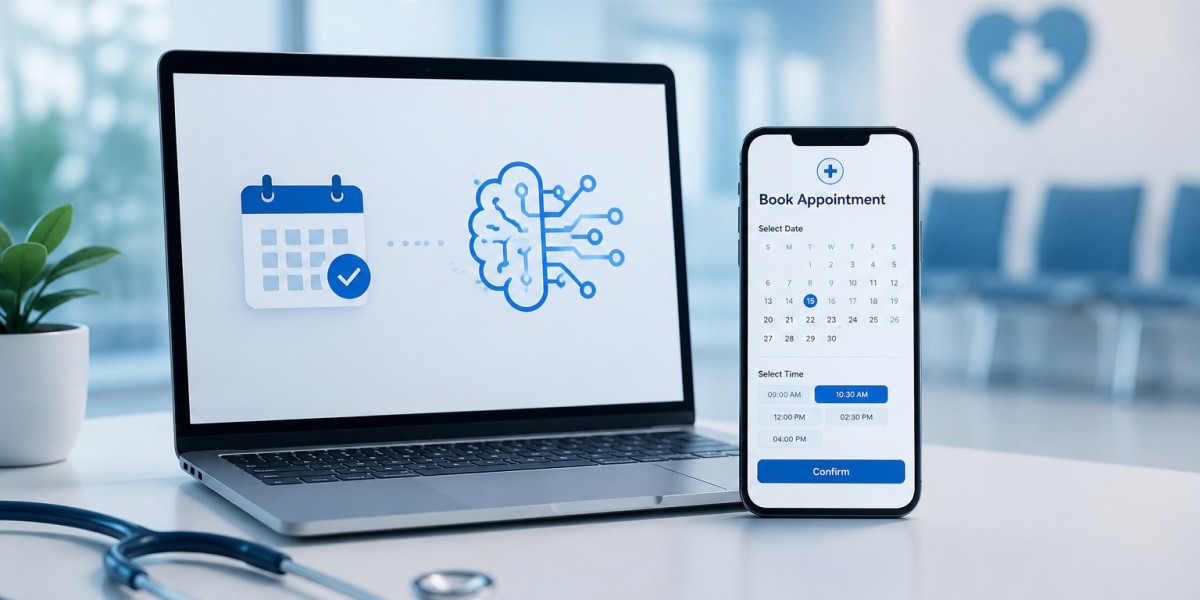
AI-powered appointment scheduling is an intelligent system that automates the process of booking, confirming, rescheduling, and managing patient appointments. Unlike traditional scheduling methods that rely heavily on manual coordination, AI analyzes provider availability, patient preferences, appointment types, and scheduling patterns to recommend the most appropriate appointment slots.
The result is a streamlined scheduling process that reduces delays, improves efficiency, and enhances patient satisfaction.
Why Traditional Scheduling Creates Challenges
Many healthcare organizations still depend on manual scheduling processes that consume valuable staff time and often create unnecessary complications.
Some of the most common challenges include:
Long phone wait times for patients
Scheduling conflicts and double bookings
High administrative workload
Missed appointments and last-minute cancellations
Limited visibility into provider availability
Inefficient use of clinical resources
These issues not only affect operational performance but also impact the overall patient experience.
How AI Improves Appointment Scheduling
Artificial intelligence brings intelligence and automation into everyday scheduling tasks. Instead of relying on manual processes, AI continuously optimizes appointment availability while ensuring patients receive timely communication throughout the scheduling journey.
Key capabilities include:
Intelligent Appointment Matching
AI identifies available appointment slots based on provider schedules, appointment duration, specialty requirements, and patient preferences.
Automated Booking and Rescheduling
Patients can easily schedule, modify, or cancel appointments without requiring extensive administrative assistance.
Real-Time Calendar Optimization
AI keeps provider calendars updated automatically, helping reduce scheduling gaps and maximize clinical productivity.
Automated Reminders
Appointment reminders sent through preferred communication channels help reduce no-shows while keeping patients informed.
Smart Waitlist Management
When appointments become available, AI can quickly notify eligible patients, helping providers fill open time slots efficiently.
Benefits for Healthcare Organizations
Improved Patient Experience
Patients enjoy a faster and more convenient booking process with greater flexibility and fewer scheduling barriers.
Reduced Administrative Burden
Automation eliminates repetitive scheduling tasks, allowing administrative teams to focus on patient support and other critical responsibilities.
Lower No-Show Rates
Automated reminders and confirmation requests encourage patients to attend appointments or reschedule in advance when necessary.
Better Resource Utilization
Optimized scheduling helps providers make better use of available appointment slots, reducing idle time and improving operational efficiency.
Increased Staff Productivity
Healthcare professionals spend less time managing calendars and more time delivering quality patient care.
Real-World Applications
AI-powered appointment scheduling supports a wide range of healthcare services, including:
Primary care appointments
Specialist consultations
Diagnostic imaging
Preventive health screenings
Telehealth visits
Follow-up appointments
Chronic disease management
Vaccination scheduling
The flexibility of intelligent scheduling makes it valuable across hospitals, clinics, specialty practices, and healthcare networks.
Best Practices for Successful Implementation
Healthcare organizations can maximize the benefits of AI-powered scheduling by following several best practices:
Integrate scheduling with existing healthcare management systems.
Keep provider calendars synchronized in real time.
Offer patients multiple communication channels.
Automate confirmations and appointment reminders.
Monitor scheduling performance using operational analytics.
Continuously optimize workflows based on patient behavior and appointment trends.
These strategies help ensure a smooth and reliable scheduling experience.
The Future of AI Appointment Scheduling
As artificial intelligence continues to evolve, appointment scheduling will become even more intelligent. Future systems will use predictive analytics to anticipate scheduling demand, recommend ideal appointment times, personalize booking experiences, and automatically optimize provider capacity.
Combined with digital health platforms and patient engagement tools, AI scheduling will play a central role in delivering connected, efficient, and patient-centered healthcare.
Conclusion
AI-powered appointment scheduling is redefining how healthcare organizations manage patient access. By automating routine scheduling tasks, reducing administrative complexity, and improving communication, intelligent scheduling solutions create a better experience for patients while helping providers operate more efficiently.
As healthcare continues its digital transformation, organizations that adopt AI-powered appointment scheduling will be better positioned to improve patient satisfaction, optimize clinical resources, and deliver high-quality care through smarter, more efficient workflows.