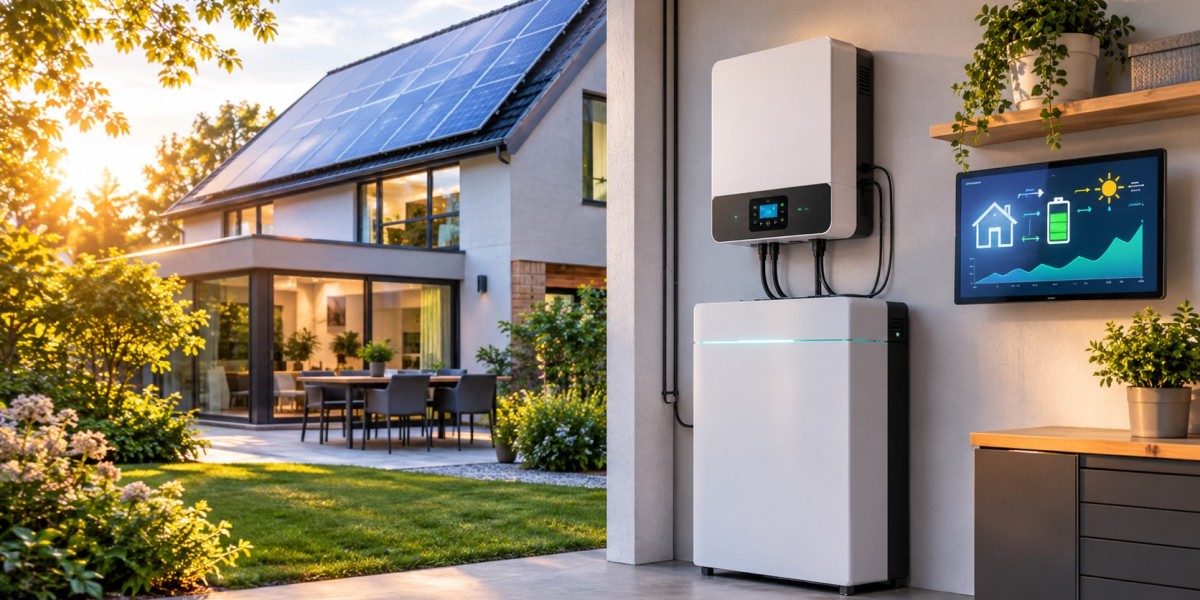


Modern homes are becoming increasingly connected, sustainable and energy-conscious. With rising electricity costs and growing interest in renewable energy, homeowners are looking for practical ways to manage their energy consumption more efficiently. Solar panels, smart heating systems and energy-efficient appliances are already helping households reduce their environmental impact. However, one important technology makes these solutions even more effective: home battery storage.
A home battery allows households to store electricity generated during the day and use it when needed, rather than relying entirely on the electricity grid. This creates greater flexibility, improves energy management and helps homeowners get more value from their renewable energy systems. By combining battery storage with intelligent home technology, it becomes easier to build a comfortable and energy-efficient living environment.
1. Understanding How Home Battery Storage Works
Home battery storage systems are designed to capture and store electricity for later use. When solar panels generate more electricity than a household currently needs, the excess energy can be directed into a battery instead of being immediately exported to the electricity grid.
The stored electricity can then power household appliances during the evening, at night or during periods when solar production is limited. This helps reduce the amount of electricity that needs to be purchased from an energy supplier.
Most modern systems use lithium-ion battery technology because of its efficiency, compact design and ability to handle regular charging and discharging cycles. Depending on the installation, a battery can also work alongside an energy management system that automatically determines when electricity should be stored, consumed or supplied to the grid.
This makes battery storage more than simply an additional home installation. It becomes an important part of a connected energy system.
2. Making Better Use of Your Own Solar Energy
Solar panels generate the most electricity during daylight hours, when many households are not using their full energy capacity. Without storage, surplus electricity is often sent back to the grid. Although exporting electricity can provide value, homeowners may benefit more from using a larger share of the energy they generate themselves.
A home battery helps solve this timing challenge. Instead of allowing unused solar electricity to leave the property, households can store it for later consumption. For example, energy generated during the afternoon can be used to operate kitchen appliances, lighting and entertainment systems in the evening.
This approach supports slim omgaan met zelf opgewekte stroom, allowing homeowners to manage their own electricity more intelligently.
The result is greater self-consumption and potentially lower dependence on electricity purchased from the grid. The actual savings depend on factors such as battery capacity, household consumption, electricity tariffs and solar production.
3. Creating an Intelligent and Connected Home Energy System
Battery storage becomes even more valuable when it is integrated with smart home technology. Modern energy management systems can monitor electricity production, household consumption and battery levels in real time.
These systems help homeowners understand when energy is being generated, where it is being used and how much electricity remains available. Some solutions can automatically prioritise essential appliances or adjust charging schedules according to energy availability and electricity prices.
For example, a smart system may store surplus solar electricity during sunny afternoons and release it when household demand increases later in the day. It can also coordinate with an electric vehicle charging station, heat pump or other major electrical appliances.
This is where intelligent household storage becomes particularly useful. Rather than managing individual devices separately, homeowners can create a coordinated energy environment in which different technologies work together.
A properly configured system can improve efficiency without requiring constant manual adjustments.
4. Reducing Energy Costs and Increasing Energy Independence
One of the main reasons homeowners consider battery storage is the opportunity to reduce electricity expenses. By using stored solar energy during periods when grid electricity is more expensive, households may lower their overall energy bills.
However, financial benefits depend on several important considerations. These include the initial investment, battery lifespan, electricity prices, available compensation for exported electricity and the household's daily energy requirements.
Battery storage can also provide greater energy independence. Although most residential systems remain connected to the electricity grid, having stored energy available reduces the need to purchase electricity at every moment of consumption.
Some battery systems also offer backup functionality during power outages. However, this depends on the system's design, inverter configuration and installation. Not every standard home battery automatically provides emergency power.
For homeowners planning a more independent energy setup, understanding these features before installation is essential.
5. Choosing the Right Battery for Your Household
Not every home has the same electricity requirements, so choosing an appropriate battery capacity is an important step. A household with modest electricity consumption may not need the same storage capacity as a larger property with an electric vehicle, heat pump and multiple high-energy appliances.
Before selecting a system, homeowners should consider their average daily electricity consumption, solar panel output, typical energy usage patterns and future household plans.
Battery capacity is usually measured in kilowatt-hours (kWh), while charging and discharging power is measured in kilowatts (kW). Both figures matter because a battery needs enough stored energy and sufficient power output to support the household's requirements.
Installation quality is equally important. The system should be compatible with existing solar equipment, correctly configured and installed according to applicable electrical safety standards.
Professional guidance helps homeowners avoid choosing an oversized or undersized solution. Working with specialists who understand renewable energy and modern electrical installations can make the entire process more straightforward.
6. Building a More Sustainable Home for the Future
Battery storage is not just about managing today's electricity consumption. It can also prepare homes for changing energy needs in the years ahead.
As electric vehicles, heat pumps and other electrically powered technologies become more common, household electricity demand may increase. A well-planned storage system can help homeowners manage these additional requirements while making better use of renewable energy.
It also supports a more balanced relationship between energy production and consumption. By storing surplus electricity and using it when demand increases, households can reduce unnecessary reliance on grid electricity.
With Dura Groep sustainable energy expertise, homeowners can explore practical solutions that bring battery storage together with other modern energy technologies. The goal is to create an integrated system that supports comfort, efficiency and responsible energy consumption.
Ultimately, building a smarter home requires more than installing individual energy-saving products. It involves making sure that every part of the home's energy system works together effectively.
Home battery storage offers an important step towards that goal. By combining renewable electricity generation, intelligent energy management and suitable storage capacity, homeowners can take greater control of their energy use and create a more sustainable living environment.