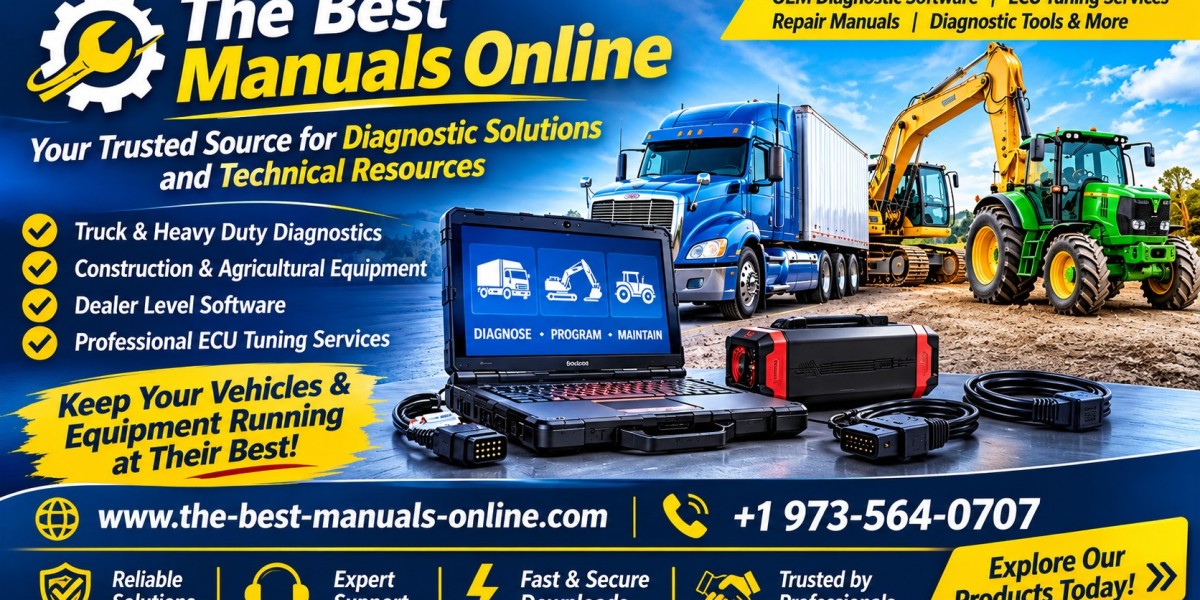


Dealer Level Diagnostic Software for Advanced Vehicle Diagnostics
Modern vehicles and heavy-duty machinery use sophisticated electronic systems to manage engine performance, transmission operation, safety features, and other essential functions. When technical problems occur, professional mechanics need reliable tools to identify faults and investigate their causes. Dealer level diagnostic software provides advanced diagnostic capabilities for compatible vehicles and equipment, helping technicians access electronic control modules, review system information, and perform supported service procedures.
What Is Dealer Level Diagnostic Software?
Dealer level diagnostic software is specialized software designed to provide detailed diagnostic access to supported vehicle and equipment systems. It is commonly associated with manufacturer-specific applications used by authorized dealerships and professional repair facilities.
Unlike basic code readers, dealer-level applications may offer access to a wider range of control modules and diagnostic functions. Depending on the manufacturer and software version, technicians may be able to retrieve fault codes, monitor live data, perform system tests, and access supported maintenance procedures.
Some applications also provide configuration, calibration, or programming functions. These features may require additional authorization, compatible hardware, and specific manufacturer requirements.
The available functions vary depending on the vehicle, equipment model, production year, software license, and diagnostic interface.
Why Is Dealer Level Diagnostic Software Important?
Modern vehicles contain multiple electronic control units (ECUs) that communicate with different systems. A single vehicle may have separate modules for engine management, transmission control, braking systems, body electronics, and other functions.
Basic diagnostic scanners may not provide sufficient information for investigating certain manufacturer-specific faults. Dealer-level software can provide more detailed access to supported systems, helping technicians understand problems and plan appropriate repairs.
Important advantages include:
Advanced fault identification: Retrieve diagnostic trouble codes from supported control modules.
Manufacturer-specific information: Access diagnostic features designed for particular vehicle brands.
Live data monitoring: Review sensor readings and operating parameters.
System testing: Perform available component and system tests.
Maintenance support: Access supported service functions and maintenance procedures.
Improved troubleshooting: Use detailed diagnostic information to guide repair investigations.
Professional workshop support: Handle more complex diagnostic tasks with suitable equipment.
These features can help professional technicians work through electronic problems in a structured manner.
Key Features of Dealer Level Diagnostic Software
The exact features depend on the manufacturer and application. However, several capabilities are particularly useful in professional diagnostic environments.
1. Advanced Fault Code Reading
Fault codes help identify problems detected by electronic control modules. Dealer-level applications may provide detailed code information for supported vehicle systems.
Technicians can use this information to investigate warning lights, communication errors, sensor problems, and other electronic faults.
A diagnostic trouble code does not always confirm that a particular component has failed. Additional testing and inspection are necessary before carrying out repairs.
2. Live Data and System Monitoring
Live data allows technicians to review information reported by vehicle sensors and control modules.
Depending on the application, available readings may include engine temperature, fuel-related parameters, pressure values, vehicle speed, and other operating information.
Monitoring these readings can help identify unusual conditions and support further troubleshooting.
3. Bidirectional Control and Active Testing
Some dealer-level diagnostic applications support bidirectional communication. This means technicians may be able to send authorized commands to compatible vehicle systems and evaluate their responses.
Available active tests can include selected component checks and system operations. These procedures should only be performed when supported by the vehicle and in accordance with manufacturer instructions.
4. ECU Programming and Configuration
Certain manufacturer-specific applications provide supported ECU programming or configuration functions.
These operations may be required when replacing a control module, completing an authorized repair, or performing a manufacturer-approved software update.
Programming requires careful preparation, correct vehicle identification, compatible hardware, and appropriate authorization. An incorrect procedure can affect vehicle operation.
5. Service and Maintenance Functions
Depending on the application, dealer-level software may provide access to selected maintenance functions, system resets, and service procedures.
Technicians should always verify that the required function is supported by the vehicle and follow the correct service instructions.
Dealer Level Diagnostic Software for Heavy-Duty Trucks
Heavy-duty trucks rely on advanced electronic systems to manage engines, transmissions, braking functions, and other vehicle operations.
Truck technicians often need detailed diagnostic information to investigate engine faults, sensor issues, communication problems, and other system-related concerns.
Compatible dealer-level software can help professionals communicate with supported control modules, retrieve fault information, and review available operating data.
Before selecting a truck diagnostic application, technicians should check the truck manufacturer, model, engine configuration, control module type, and required communication interface.
Applications in Construction and Agricultural Equipment
Dealer-level diagnostic tools are also important for modern construction and agricultural machinery.
Excavators, wheel loaders, bulldozers, tractors, and other equipment may use manufacturer-specific electronic systems. These systems can control engine operation, transmission functions, hydraulic features, and machine monitoring.
Professional diagnostic software can help technicians retrieve available fault codes and investigate electronic issues. Some applications also provide access to supported system tests and service functions.
Because equipment manufacturers use different software platforms and communication requirements, compatibility must be confirmed before purchasing.
How to Choose the Right Dealer Level Diagnostic Software
Selecting the right software requires careful research. A diagnostic application designed for one manufacturer may not support another brand or equipment generation.
Consider these important factors:
Manufacturer compatibility: Confirm that the software supports the required brand.
Vehicle or machine coverage: Check the exact model and production year.
Engine compatibility: Verify the engine and control module specifications.
Diagnostic functions: Review the available fault reading, live data, and testing features.
Programming support: Confirm whether programming or configuration functions are included and authorized.
Diagnostic interface: Check the required adapter, cables, and communication hardware.
Computer requirements: Review operating system and hardware specifications.
Software licensing: Understand activation, subscription, and update requirements.
Technical support: Check the availability of installation and compatibility assistance.
Reviewing these points can help professionals select software that matches their workshop requirements.
Why Compatible Diagnostic Hardware Matters
Dealer-level software needs suitable hardware to communicate with vehicle systems.
A diagnostic laptop provides the computer environment for installing and running the application. A compatible diagnostic interface connects the computer to the vehicle or equipment through its diagnostic port.
Some applications require specific manufacturer-supported communication devices, cables, or adapters. Using an incompatible interface may prevent communication or limit available functions.
For this reason, technicians should review the complete software and hardware requirements before purchasing a diagnostic solution.
Best Practices for Professional Diagnostics
Effective diagnostics require a careful and systematic approach. Technicians should begin by identifying the vehicle or equipment and confirming its configuration.
Next, retrieve the available fault codes and review relevant live data. Compare the information with manufacturer specifications and investigate the reported symptoms through appropriate inspection and testing.
Before performing programming, calibration, or configuration procedures, verify the software version, control module identification, and authorization requirements.
All diagnostic and repair work should follow applicable safety procedures and legal requirements. Required emissions controls and safety-related functions must remain compliant with relevant regulations.
Explore Dealer Level Diagnostic Software Solutions
The Best Manuals Online provides diagnostic software and technical resources for professionals working with heavy-duty trucks, diesel engines, commercial vehicles, construction machinery, and agricultural equipment.
Mechanics, diesel technicians, fleet professionals, and repair workshops can explore available diagnostic products for different applications. Before ordering, customers should confirm software compatibility, supported control modules, hardware requirements, licensing details, and included diagnostic functions.
Choosing suitable dealer level diagnostic software can help professionals access more detailed vehicle information and investigate complex electronic problems. With compatible equipment and proper technical knowledge, workshops can support organized diagnostics, maintenance, and repair operations.