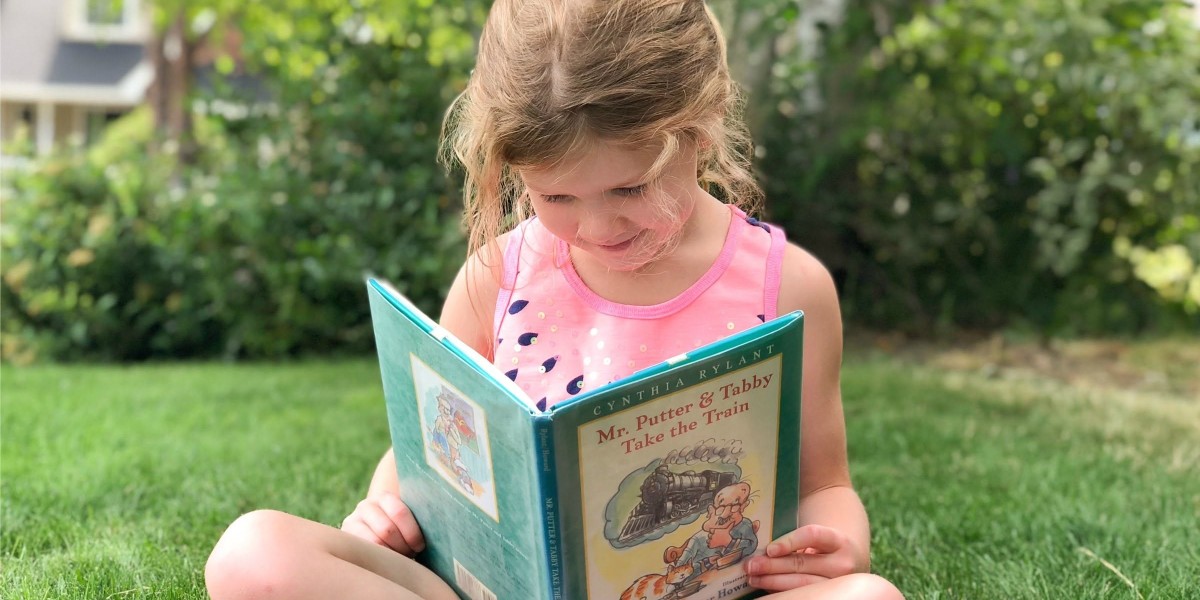


Reading is an important part of childhood development because it helps children explore new ideas, improve their language skills, and understand the world around them. ScholarX encourages young learners to develop positive reading habits by exploring educational resources that make learning enjoyable and meaningful. Introducing children to interesting reading materials at an early age can support their creativity, imagination, and overall academic growth.
Why Is Reading Important for Children's Development?
Reading plays an important role in developing a child's intellectual and communication abilities. When children read regularly, they become familiar with new words, sentence structures, and different ways of expressing ideas. These experiences help them improve their vocabulary and understand written information more effectively. Reading also encourages children to think independently. Stories introduce different characters, situations, and experiences that help young readers understand emotions, relationships, and everyday challenges. Parents and teachers can support this development by encouraging children to spend a little time reading every day. Making reading part of their daily routine can gradually improve their language abilities and build confidence.
How Can Parents Encourage Children to Read More?
Children are more likely to develop an interest in reading when they find materials that match their age, interests, and understanding. Parents should introduce different types of reading materials instead of forcing children to read books that they do not enjoy.
Here are some practical ways to encourage reading habits:
Create a comfortable reading corner at home.
Allow children to choose stories that interest them.
Read together during bedtime or free time.
Discuss interesting characters and events from stories.
Appreciate children when they complete a reading activity.
Introduce colourful and illustrated reading materials.
Parents should also become positive reading examples. When children see adults enjoying books, they may become more interested in developing the same habit.
What Makes a Good Kids Book for Young Readers?
Choosing suitable reading material is essential for keeping children interested in learning. A good kids' book should match the child's age, reading ability, and personal interests. It should also contain clear language, engaging illustrations, and meaningful content that supports learning. For younger children, picture-based stories can make reading easier because images help them understand different situations and characters. As their reading abilities develop, parents can introduce longer stories with more detailed vocabulary and interesting plots. Educational stories are also useful because they introduce children to important values such as kindness, honesty, friendship, responsibility, and respect. These lessons can help children understand positive behaviour while enjoying an interesting reading experience.
How Do Storybooks Improve Children's Vocabulary?
Storybooks expose children to words and expressions that they may not encounter during everyday conversations. Regular reading helps them understand how different words are used in sentences and how language communicates ideas. When children come across unfamiliar words, parents and teachers can explain their meanings through simple examples. This makes vocabulary development more natural and helps young readers remember new information. Reading aloud is another useful activity. Children can listen to correct pronunciation, sentence patterns, and expressions. They can also practise reading short passages themselves to improve fluency. Over time, these activities can support better speaking, writing, listening, and reading skills. A strong vocabulary also makes it easier for children to understand school lessons and communicate their thoughts clearly.
Why Are Illustrated Stories Helpful for Early Learning?
Illustrations make reading more attractive, especially for children who are beginning to recognise words and understand simple stories. Colourful pictures help young readers connect written information with familiar objects, people, and activities. Visual storytelling also encourages children to observe details and think about what is happening in a story. They may describe characters, predict upcoming events, or explain what they see in the illustrations.
Some important benefits of illustrated stories include:
Improve visual recognition and observation skills.
Encourage imagination and creative thinking.
Help children understand unfamiliar situations.
Make new vocabulary easier to remember.
Develop interest in independent reading.
Parents can make illustrated reading sessions interactive by asking children questions about pictures and encouraging them to describe different scenes.
How Can Educational Reading Support School Performance?
Reading habits can contribute to better academic performance because they help children develop skills that are useful across different subjects. Students who read regularly often become more comfortable understanding written instructions, answering questions, and expressing their ideas. Reading also improves concentration. Following a story requires children to pay attention to characters, events, and important details. This practice can help them develop the ability to focus on classroom activities. Educational reading materials can introduce basic concepts related to science, nature, mathematics, history, and everyday life. Children can explore these subjects through interesting explanations and age-appropriate stories. Parents who want additional information about educational resources and learning opportunities can contact us for further guidance and support.
What Role Do Parents and Teachers Play in Developing Reading Habits?
Parents and teachers both have an important role in helping children become confident readers. They can create positive learning environments where children feel comfortable asking questions, exploring stories, and expressing their opinions. Teachers can introduce reading activities into classroom routines by arranging storytelling sessions, group reading exercises, and book discussions. These activities allow children to learn from one another and develop communication skills. At home, parents can set aside a regular reading time and discuss stories with their children. They should also encourage questions and allow children to share their favourite parts of a story. Instead of focusing only on how quickly a child reads, adults should appreciate their progress and understanding. Positive encouragement can make reading an enjoyable experience rather than an academic responsibility.
How Can Children Develop a Lifelong Love of Reading?
Developing a lifelong reading habit begins with enjoyable and consistent experiences. Children should have access to different types of reading materials, including stories, educational books, picture collections, and simple informational texts. Parents can take children to libraries, explore age-appropriate digital reading resources, and introduce new stories regularly. Giving children the freedom to select their reading materials can also increase their motivation. It is important to remember that every child develops reading skills at a different pace. Some children may prefer short illustrated stories, while others may enjoy longer books. Providing suitable materials and maintaining encouragement can help each child develop confidence. When reading becomes an enjoyable part of everyday life, children are more likely to continue exploring books as they grow older.
Conclusion
Reading is a valuable learning activity that supports children's language development, imagination, creativity, and academic growth. Parents and teachers can encourage this habit by providing suitable reading materials, creating comfortable reading environments, and making storytelling interactive. Choosing age-appropriate books and maintaining a consistent reading routine can help children become confident learners. With regular encouragement and access to quality educational resources, young readers can develop skills that benefit them throughout their lives.
Frequently Asked Questions (FAQs)
1. At what age should children start reading books?
Children can begin exploring picture books and simple stories during early childhood. Parents can introduce age-appropriate reading materials according to their child's development and interests.
2. How much time should children spend reading every day?
Children can start with 10 to 15 minutes of daily reading. The duration can gradually increase as their interest, concentration, and reading abilities improve.
3. How does reading improve children's vocabulary?
Reading introduces children to new words, sentence structures, and expressions. Regular exposure helps them understand language and communicate more effectively.
4. Why are illustrated books useful for young children?
Illustrated books connect pictures with written information, making stories easier to understand. They also encourage imagination, observation, and creative thinking.
5. How can parents develop a reading habit in children?
Parents can establish a daily reading routine, provide interesting books, read stories together, and encourage children to choose materials that match their interests.







