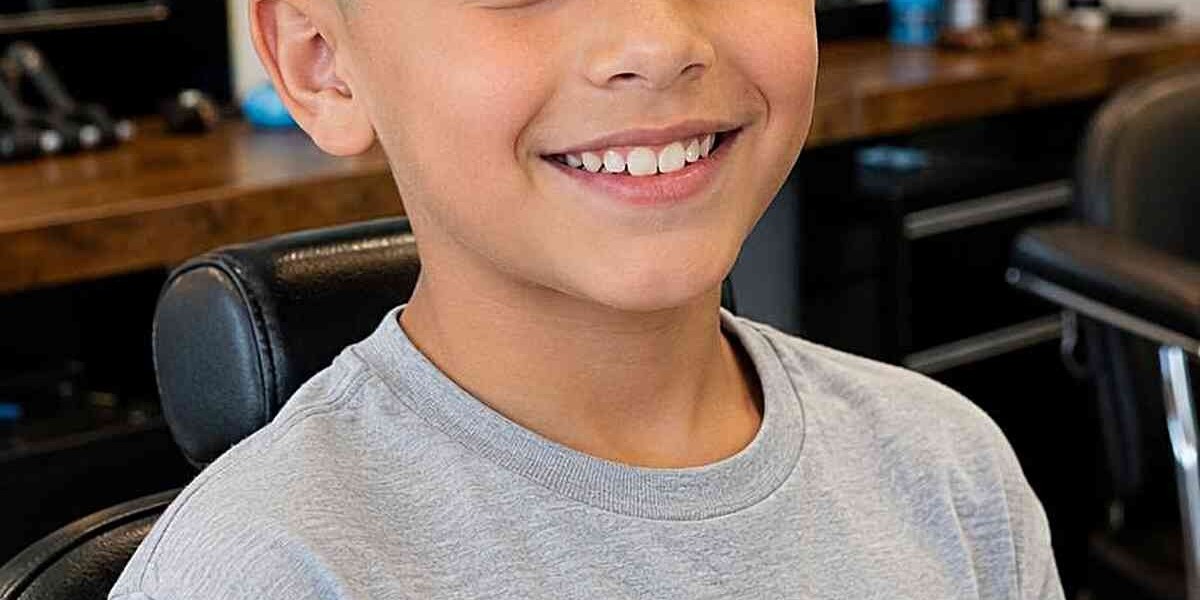


Curly, coily and textured hair is beautiful, but it often needs a different approach from straight hair, both in the salon and at home. Many parents find that standard haircuts leave their child's curls frizzy, uneven or shorter than expected, and everyday detangling can turn into a battle. Choosing a kids haircut london stylist who understands textured hair, and learning a few simple care techniques, can make life much easier for you and your child.
This guide explains what makes curly and textured hair different, what to look for in a haircut, popular styles, and how to care for curls between salon visits.
What Makes Curly and Textured Hair Different?
Curly and coily hair grows in spirals, waves or tight coils rather than straight lines. This shape makes it harder for natural oils from the scalp to travel down the strand, so textured hair tends to be drier than straight hair. Each bend in the curl is also a natural weak point, which means textured hair can be more fragile and prone to breakage if it is handled roughly.
Curly hair also shrinks. When it dries, a curl can look much shorter than its true length, which is why cutting curly hair requires care and experience. Cutting it the same way as straight hair can leave it far shorter than you intended.
Why the Right Stylist Matters
Not every stylist is confident cutting textured hair, and the difference in results can be dramatic. When you book a kids haircut london appointment for a child with curls, look for a stylist who:
- Asks about your child's curl pattern and how you usually care for it.
- Understands shrinkage and cuts with it in mind.
- Knows when to cut hair dry, damp or curl by curl.
- Detangles gently and patiently.
- Can recommend suitable products and home care techniques.
A stylist who respects the natural texture will create a shape that looks good as it dries and grows.
How Curly Hair Is Usually Cut
There are a few common approaches to cutting curls.
Dry Cutting
Many stylists cut curly hair dry, because it shows exactly how each curl falls and how much shrinkage there is. This helps avoid cutting too much off.
Curl-by-Curl Cutting
Some stylists trim individual curls or sections, shaping the hair around its natural pattern. This creates a balanced, rounded shape.
Damp Cutting
For looser waves or certain styles, hair may be cut slightly damp. Your stylist will decide which method suits your child's hair best.
Popular Styles for Children With Textured Hair
The best style depends on your child's age, hair type and how much time you have for styling.
Short Curly Crops
Short curls on top with tapered sides are easy to manage, look neat and suit active children.
Rounded Shapes
A rounded cut that follows the natural shape of the curls looks soft and balanced, and it grows out evenly.
Longer Layered Curls
Layers remove weight and help curls spring up, while keeping length. This works well for children who love their long hair.
Protective Styles
Braids, twists and cornrows can protect textured hair from tangling and breakage. Keep them comfortable and not too tight, especially around the hairline.
Detangling Without Tears
Detangling is often the hardest part of caring for curly hair. These tips can make it much easier:
- Detangle when hair is damp and coated in conditioner or a detangling spray.
- Use your fingers first, then a wide-tooth comb.
- Work in small sections, starting from the ends and moving up to the roots.
- Hold the hair above the tangle to avoid pulling on the scalp.
- Keep sessions short and positive, with a favourite show or song as a distraction.
Washing and Moisturising Curly Hair
Textured hair usually does not need washing every day. Many families find that washing a few times a week, or even less for very coily hair, keeps curls healthier. Choose a gentle, sulphate-free shampoo and always follow with conditioner. Between washes, a light leave-in conditioner or curl cream keeps hair soft and defined, while a little oil can help seal in moisture at the ends.
Avoid brushing curls when dry, as this breaks up the pattern and causes frizz.
Protecting Curls at Night and During Activities
Curly hair can tangle overnight or during sport. A satin or silk pillowcase reduces friction while your child sleeps, or you can loosely plait or twist hair before bed. For swimming, wet the hair and apply a little conditioner before putting on a swimming cap, then rinse thoroughly afterwards to remove chlorine.
Teaching Children to Love Their Curls
Children with curly or textured hair sometimes wish their hair looked like everyone else's. Praise their curls, talk positively about different hair types, and involve them in choosing products and styles. A great kids haircut london experience, with a stylist who celebrates their natural texture, can boost their confidence enormously.
Frequently Asked Questions
How often should curly hair be trimmed?
It depends on the style and how quickly your child's hair grows. Regular trims keep the shape tidy and remove split ends. Your stylist can suggest the right schedule.
Should curly hair be cut wet or dry?
Many stylists prefer dry cutting for curls, as it shows shrinkage clearly, but the best method depends on the hair and the style.
What products are best for children's curly hair?
Gentle, moisturising products without harsh sulphates or strong fragrances are usually best. Ask your stylist during your next kids haircut london visit for suggestions suited to your child's curl type.
Final Thoughts
Curly and textured hair thrives with the right cut, gentle handling and plenty of moisture. Once you find a routine that works, and a stylist who truly understands curls, caring for your child's hair becomes far less stressful and much more enjoyable. If you are looking for friendly stylists experienced with every hair type, Dc Izelle Hair & Beauty is here to help. Book your kids haircut london appointment and let your child's natural curls shine.