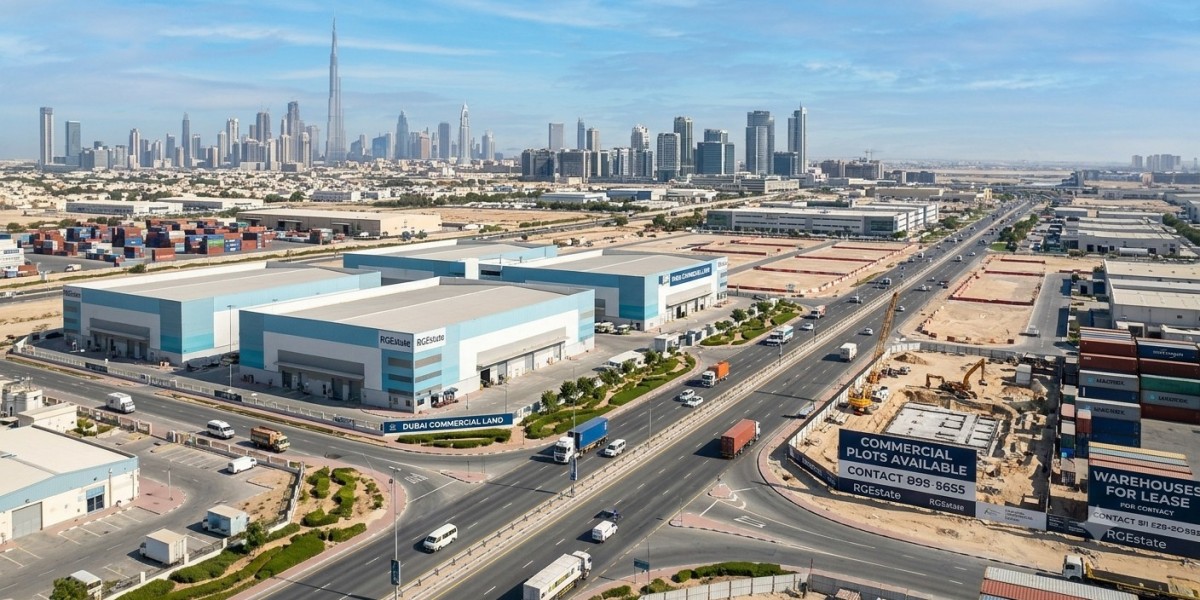


Dubai continues to attract investors looking for commercial property opportunities, business expansion, and long-term asset growth. Its developing infrastructure, business-friendly environment, and growing demand for industrial spaces have made land and warehouse investments important parts of the UAE property market. Exploring warehouse lands can help investors identify suitable locations for storage, logistics, manufacturing, and other commercial activities.
Understanding Dubai’s Land and Warehouse Market
Dubai offers different types of commercial property options, including industrial plots, logistics facilities, storage spaces, and land suitable for future development. Each option serves a different business purpose, so investors should first identify their objectives.
Warehouse properties are particularly relevant to companies involved in distribution, e-commerce, manufacturing, and inventory management. Businesses often look for locations with convenient road connections, access to major transport routes, and sufficient space for daily operations.
Commercial land, on the other hand, can provide opportunities for investors interested in developing facilities or holding property for potential long-term value. The suitability of a plot depends on its permitted use, infrastructure, surrounding developments, and applicable regulations.
Why Location Matters When Choosing Commercial Property
Location plays an important role in determining how useful and commercially attractive a property can be. A warehouse situated near major highways or logistics routes may help businesses manage transportation and deliveries more efficiently.
Investors should consider:
Transportation access: Check connections to highways, ports, airports, and other logistics facilities.
Business surroundings: Understand the types of companies operating in the area.
Infrastructure: Review road conditions, utilities, parking, and available facilities.
Future development: Consider planned infrastructure and commercial activity in the surrounding area.
Property suitability: Confirm whether the location supports the intended business activity.
Areas such as Al Quoz, Dubai Industrial City, Jebel Ali, and other established commercial zones may appeal to different types of businesses. The right choice depends on operational requirements, budget, and property availability.
Important Considerations Before Purchasing Land
Investors planning to buy land in Dubai should verify the ownership documents, plot details, zoning classification, and development permissions before proceeding. It is also important to understand registration charges, service costs, and any additional expenses associated with the purchase.
A practical assessment should include:
Ownership verification: Confirm the seller's legal ownership and the property's registration details.
Land-use regulations: Check whether the plot is approved for the intended commercial or industrial purpose.
Development potential: Review building restrictions, plot dimensions, and permitted construction requirements.
Financial planning: Calculate the purchase price along with registration, legal, and development expenses.
Market research: Compare similar properties and assess demand in the selected location.
Evaluating Warehouse Investment Opportunities
Warehouse investments can serve businesses across several industries, including retail, manufacturing, logistics, and wholesale distribution. As companies expand their operations, their requirements for storage capacity and distribution facilities may also change.
Before investing in a warehouse, consider the following points:
Size and layout: Ensure the available space meets storage and operational requirements.
Loading facilities: Check access for trucks, loading bays, and goods-handling equipment.
Building condition: Inspect the structure, roofing, flooring, ventilation, and electrical systems.
Accessibility: Evaluate how easily employees, suppliers, and delivery vehicles can reach the property.
Rental potential: Research local demand and comparable rental properties if you plan to lease the warehouse.
Investors should also compare ready-to-use warehouses with properties that may require renovation or additional development. A lower purchase price does not necessarily mean a better investment if you need to make substantial improvements.
Dubai and Sharjah: Comparing Commercial Property Options
Dubai and Sharjah both offer opportunities for investors interested in commercial land and warehouse properties. However, their locations, property types, business environments, and pricing can differ.
Dubai attracts businesses looking for access to established commercial districts, international markets, and major logistics infrastructure. Sharjah may appeal to companies seeking alternative industrial and warehouse locations within the UAE.
When comparing properties in both emirates, investors should look beyond the initial asking price. Transportation expenses, operational convenience, permitted activities, property condition, and long-term business requirements should all influence the decision. Comparing multiple locations can help investors identify a property that matches their business objectives and financial plans.
The Importance of Professional Property Assistance
Commercial property transactions involve several steps, from identifying suitable opportunities to reviewing documents and completing registration procedures. Investors who are unfamiliar with the local property market may find it difficult to evaluate every detail independently.
Working with an experienced property professional can make the search and evaluation process more organized. A knowledgeable real estate agency in Dubai can help investors explore available commercial properties, understand location options, arrange property viewings, and obtain guidance throughout the transaction.
Professional assistance can also help buyers understand the differences between land purchases and warehouse investments.
Planning for Long-Term Investment Value
A successful commercial property investment begins with a clear strategy. Investors should decide whether their priority is business operations, rental income, future development, or long-term ownership.
It is equally important to maintain realistic financial expectations. Property prices, rental demand, maintenance expenses, and market conditions can change over time. Regular market research and careful financial planning can help investors make decisions based on their actual requirements rather than short-term expectations.
Dubai's commercial property market offers different opportunities, but not every property will suit every investor. Selecting the right location, understanding the property's permitted use, and evaluating its overall costs are essential steps in building a sustainable investment strategy.
Conclusion
Dubai's land and warehouse market offers opportunities for investors seeking commercial properties for business use, development, and long-term ownership. Both Dubai and Sharjah provide options worth exploring, depending on the investor's budget, business requirements, and preferred location.
Careful property research, document verification, and financial assessment can help buyers make more informed decisions. Seeking guidance from a trusted real estate agency in Dubai can also make it easier to explore suitable properties and understand the transaction process.







