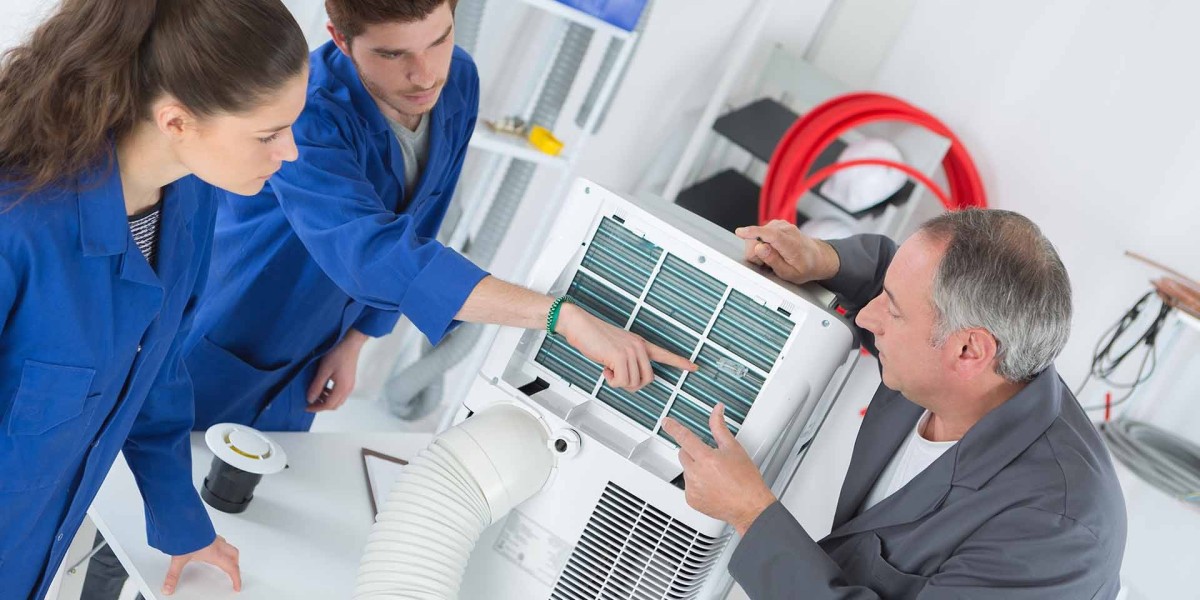


Air conditioning, refrigeration and heat pump systems are now common in offices, shops, homes and public buildings. Anyone who installs, services or repairs these systems needs the right qualifications, because most use fluorinated gases that are tightly regulated. For engineers in central Scotland, air conditioning training Livingston offers a clear route into this growing sector.
This guide explains why air conditioning work needs certification, what training covers, who it suits and how to choose the right course.
Why Do Air Conditioning Engineers Need Certification?
Most air conditioning and refrigeration systems contain fluorinated greenhouse gases, known as F-gases. In Great Britain, anyone working on stationary refrigeration, air conditioning or heat pump equipment containing F-gas must hold the correct qualification for the activities they carry out.
What the Rules Cover
The requirements apply to installing new systems, servicing and maintenance, leak checking, recovering refrigerant and decommissioning equipment. In other words, almost every hands-on task involving the refrigerant circuit needs a recognised certificate.
The F-Gas Categories
Individual qualifications are split into four categories, according to UK government guidance:
Category | What it allows |
|---|---|
Category 1 | All activities |
Category 2 | Installing, maintaining, servicing and recovering refrigerant from smaller systems (under 3kg of F-gas, or under 6kg if hermetically sealed) |
Category 3 | Recovering refrigerant from systems within the same limits |
Category 4 | Leak checking without breaking into the refrigerant circuit |
Most engineers who want to install and service air conditioning aim for Category 1, because it covers the full range of work.
Who Issues the Qualifications
The government lists City & Guilds, BESA and LCL Awards among the bodies whose F-gas qualifications are recognised. It also notes that CITB no longer issues new F-gas qualifications. Choosing air conditioning training Livingston that leads to a recognised award is therefore essential.
What Does Air Conditioning Training Cover?
Good training blends theory with plenty of hands-on practice. Typical topics include:
- The refrigeration cycle: How compressors, condensers, evaporators and expansion devices work together.
- F-gas regulations: Legal duties, record keeping, labelling and leak-check requirements.
- Refrigerant handling: Safe recovery, charging and storage of refrigerants.
- Brazing and pipework: Making strong, leak-free joints in copper pipe.
- Pressure and leak testing: Using nitrogen and leak detection equipment correctly.
- Evacuation and charging: Removing air and moisture, then charging systems accurately.
- Commissioning and fault-finding: Checking performance and diagnosing common faults.
- Environmental protection: Reducing leaks and handling refrigerant responsibly.
Practical Assessments
Practical tasks usually include brazing, pressure testing, evacuation and refrigerant recovery. Candidates complete these on training rigs before taking the theory assessment. Quality air conditioning training Livingston courses give learners time to practise these skills before being assessed.
Heat Pumps and Low-Carbon Systems
Heat pumps use the same refrigeration principles as air conditioning. As homes and businesses move towards low-carbon heating, F-gas skills are becoming more valuable to heating engineers as well as air conditioning specialists.
Safety With Newer Refrigerants
Some newer, lower-impact refrigerants are mildly flammable or flammable. Engineers therefore need to understand the extra safety precautions these refrigerants require, from ventilation to the tools and equipment used.
Who Is Air Conditioning Training For?
Air conditioning training suits a range of people:
- New entrants looking for a skilled trade with growing demand
- Electricians and plumbers who want to add air conditioning or heat pumps to their services
- Gas and heating engineers preparing for low-carbon heating work
- Maintenance technicians who look after building services equipment
- Engineers with older certificates who need to bring their skills up to date
How Do You Choose the Right Course?
Choose a course that leads to a recognised F-gas qualification, matches the category you need and offers realistic practical training.
Confirm the Qualification
Check which awarding body the course leads to and which category it covers. For full installation and servicing work, Category 1 is usually the target.
Check the Practical Facilities
Ask about the rigs and equipment used for brazing, testing and refrigerant recovery. More hands-on time usually means more confidence on site.
Ask About Entry Requirements
Some courses suit complete beginners, while others expect basic pipework or electrical skills. A good centre will advise you on the best starting point.
Think About Your Next Step
If you plan to work on heat pumps, ask whether the centre offers related heat pump or renewables courses. That way, air conditioning training Livingston can become part of a wider career plan.
Frequently Asked Questions
Do I need an F-gas certificate to install split air conditioning units?
Yes. Installing or servicing equipment containing F-gas requires the appropriate qualification for the work you carry out.
Is F-gas training useful for heat pump installers?
Yes. Many heat pumps contain F-gas refrigerants, so the same qualification rules apply.
I hold a CITB F-gas certificate. Is it still valid?
CITB no longer issues new F-gas qualifications. Check with your employer or a training centre about how your existing certificate is treated.
Can I train without previous experience?
Some courses are open to beginners, while others expect related trade skills. Ask the training centre which course suits you.
Final Thoughts
Air conditioning and heat pump work is a growing field, and recognised F-gas qualifications are the entry ticket. Understanding the categories, choosing a course with strong practical training and planning your next step will help you build a lasting career.
If you are ready to start, air conditioning training Livingston gives you the skills and certification needed to work safely and legally with refrigerants. To book your place or ask about the right course, contact Nationwide Training Services.