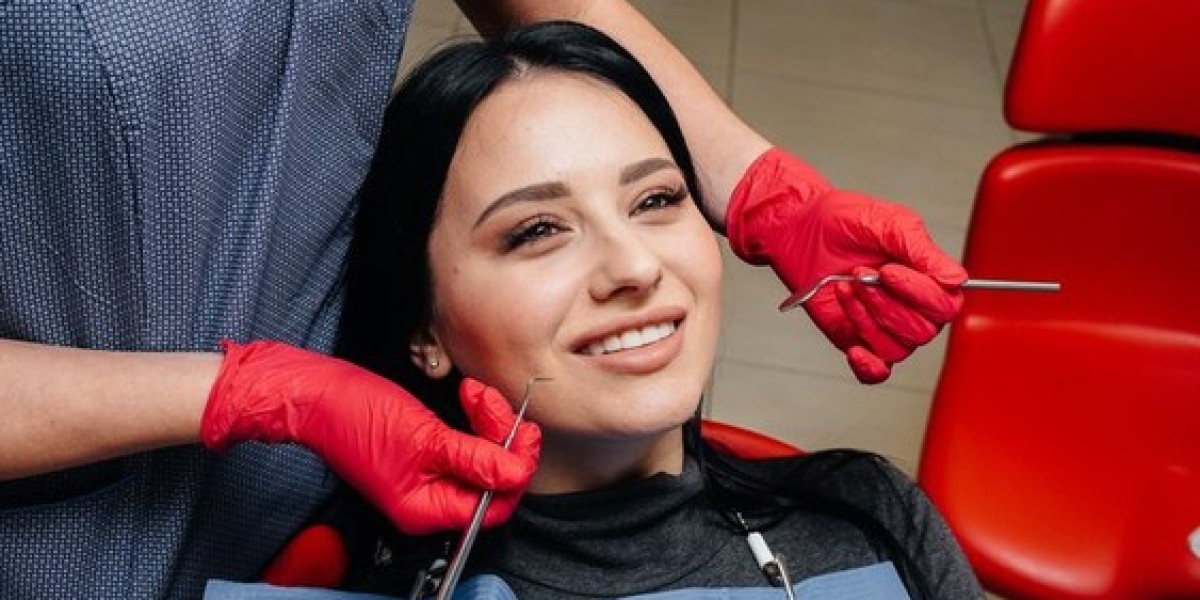


Cosmetic dentistry Harrisonburg VA is a field of dental treatment that focuses on enhancing the appearance of your teeth, gums, and overall smile. While structural repair, disease prevention, and oral hygiene are the main priorities of general dentistry, cosmetic dentistry focuses more on aesthetics such as shape, size, color, alignment, and bite symmetry.
Cosmetic Operation Categories
Inlays and Onlays
These indirect fillings are also referred to as cosmetic dentistry Harrisonburg VA treatments and are created by a dental lab. They are used when a tooth has minimal to moderate deterioration or insufficient tooth structure to support a filling. The inlay is positioned directly on the tooth surface, provided the tooth cusps are unharmed.
Composite Bonding
The process of fixing discolored, damaged, or decayed teeth using material that looks like natural tooth enamel is known as composite bonding. After drilling out the tooth decay, your dentist will apply the composite to the tooth's surface, shape it correctly, and then cure it with a powerful light. Additionally known as bonding, this technique effectively conceals the tooth's damage and makes it appear as though there is a healthy tooth there.
Veneers for teeth
Dental veneers are custom-made coverings that are often constructed of medical-grade ceramic and placed over your natural teeth. They can address a wide range of cosmetic dentistry Harrisonburg VA issues, including cracked or damaged enamel, crooked teeth, and conspicuous gaps between two teeth, and they look very real. Using dental adhesive, the dentist applies the veneer to the front of each tooth.
Teeth whitening
One of the most common cosmetic dentistry Harrisonburg VA procedures is teeth whitening. It can usually be done in one trip to your dentist's office. The dental hygienist will start by cleaning every tooth of plaque, tartar, and other debris to restore its original look. Then, using a bleaching agent, the teeth may be made even lighter than the original shade.
Implants
Lost or damaged teeth are replaced using dental implants. At the location of the lost tooth, the dentist inserts a small titanium screw into the jaw, which will support a crown. The natural teeth surrounding these implants are almost identical. After the implant fuses with the bone and surrounding tissue, it is permanently locked in position.







