

Maintaining independence at home is important for people of all ages, especially seniors and individuals with limited mobility. However, climbing stairs can become increasingly difficult due to aging, injuries, joint discomfort, balance challenges, or physical disabilities. What was once an ordinary part of daily life may eventually become a stressful and potentially unsafe activity. Fortunately, modern mobility solutions make it possible to enjoy every level of a home without struggling with staircases. Stairlifts provide a practical way to improve accessibility, reduce physical strain, and support independent living.
Understanding How Stairlifts Work
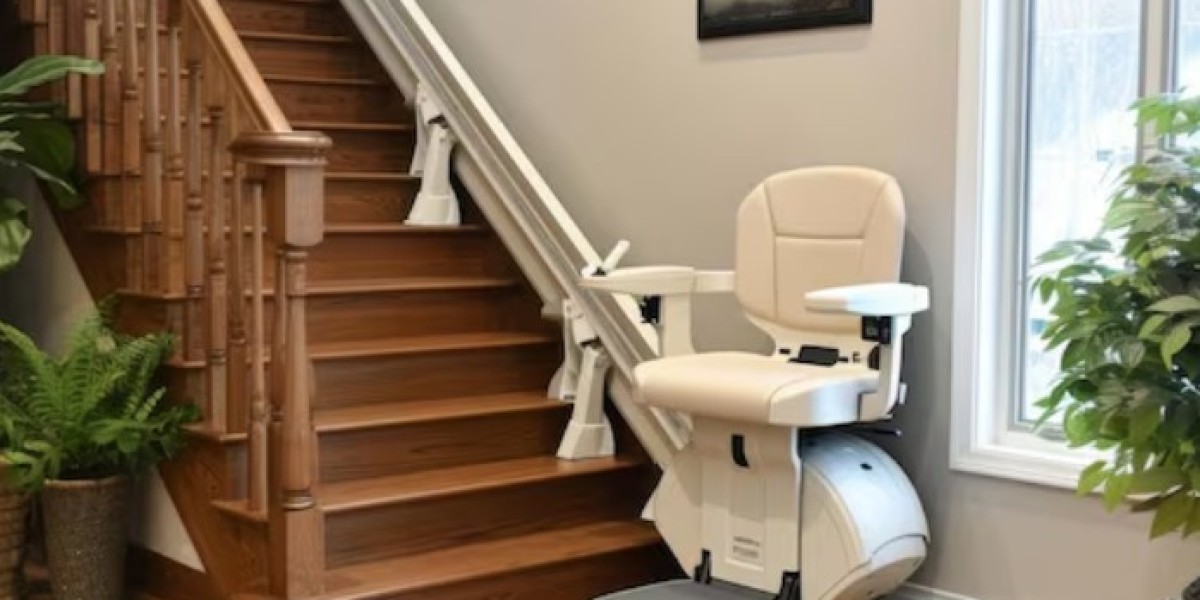
Stairlifts are motorized transportation systems designed to carry a person safely up and down a staircase while seated. Most systems consist of a chair, a rail attached along the staircase, a motor, and convenient operating controls. The user simply sits on the chair, fastens the safety belt, and operates the controls to travel between floors.
These systems are available for different staircase configurations, including straight, curved, and narrow staircases. This flexibility allows homeowners to find a suitable option for their property's layout and accessibility requirements.
Modern stair lifts are designed with user comfort and safety in mind. Features such as swivel seats, adjustable footrests, padded seating, safety sensors, and remote controls make everyday operation easier. Many models also include battery backup systems that allow continued operation during certain power interruptions.
Why Home Accessibility Matters
A home should provide comfort, convenience, and security for everyone living in it. Unfortunately, stairs can create significant barriers for individuals experiencing mobility difficulties. Avoiding certain rooms because of staircase challenges can affect daily routines and reduce the usefulness of an entire home.
Installing a mobility solution can help restore access to bedrooms, bathrooms, living areas, and other important spaces located on different floors. Instead of considering relocation or expensive home renovations, homeowners may be able to improve accessibility through a professionally installed system.
Stairlifts also provide peace of mind for family members and caregivers. Knowing that a loved one has a convenient way to travel between floors can make everyday household routines less stressful.
Different Types of Stair Lifts Available
Every staircase has unique dimensions and design characteristics. Therefore, choosing the right equipment requires understanding the available options.
Straight stairlifts are generally designed for staircases without turns, landings, or curved sections. They typically feature a straightforward rail system and can be suitable for many traditional residential properties.
Curved stairlifts are designed for staircases with bends, corners, or multiple landings. Their rails are customized to follow the staircase's specific shape, allowing the user to travel smoothly between floors.
Outdoor stairlifts provide an accessibility solution for exterior steps, porches, and entrance staircases. These systems are designed with weather-resistant materials and protective features to handle outdoor conditions.
Some stair lifts are also designed for particularly narrow staircases. Compact seating, folding footrests, and foldable arms can help preserve available walking space when the equipment is not being used.
Important Safety Features to Consider
Safety should always be a priority when selecting a mobility system. Modern equipment includes several features designed to make everyday operation more reliable.
Safety belts help keep users securely positioned during travel. Swivel seats make getting on and off the chair easier, particularly when reaching the upper landing. Obstruction sensors can stop the equipment if an object blocks the rail or footrest area.
Smooth starting and stopping mechanisms also contribute to a more comfortable experience. Easy-to-reach controls allow users to operate the system without unnecessary difficulty.
Battery backup is another valuable feature. Depending on the model, it can allow the equipment to complete trips when household electricity is temporarily unavailable.
Before choosing a system, homeowners should discuss their mobility needs, staircase measurements, and preferred safety features with a qualified installation professional.
Benefits of Installing Stairlifts at Home
One of the biggest advantages of installing stairlifts is the opportunity to maintain independence. Individuals who previously needed assistance climbing stairs may be able to move between floors more comfortably.
Another benefit is reduced physical effort. Climbing stairs can place considerable demands on the legs, knees, and joints. A motorized seating system eliminates the need to climb each step, helping users avoid unnecessary strain.
These systems can also make homes more practical for multigenerational families. Older adults can continue using their familiar living spaces while family members enjoy greater confidence in their household's accessibility.
Additionally, installing accessibility equipment may help homeowners avoid moving to a single-story property or making major structural changes. For many households, improving an existing home is a more convenient alternative to relocating.
Choosing the Right Stairlift for Your Home
Selecting the right equipment involves more than comparing prices and appearance. Homeowners should consider the staircase's width, length, shape, and available space around the landings.
The user's physical requirements are equally important. Seat dimensions, weight capacity, control placement, and ease of transferring onto the chair should all be evaluated before making a decision.
It is also helpful to consider how frequently the equipment will be used. A person who travels between floors several times daily may benefit from convenient charging arrangements, comfortable seating, and simple operating controls.
Professional assessments can help determine which equipment is appropriate. An experienced installer can measure the staircase, identify potential obstacles, and recommend a suitable configuration.
The Importance of Professional Installation
Proper installation plays an essential role in the safety and performance of mobility equipment. Although different products have different installation requirements, the process generally involves measuring the staircase, preparing the rail system, securing the components, and testing the equipment.
A qualified technician should verify that the rail is properly positioned and that the chair travels smoothly throughout its operating range. Safety sensors, controls, seat mechanisms, and charging systems should also be checked.
Professional installation helps ensure that the equipment is compatible with the staircase and the user's accessibility requirements. Homeowners should also receive clear instructions about operating procedures, charging, and routine maintenance.
Maintaining Your Stairlift for Long-Term Performance
Regular maintenance helps keep mobility equipment operating reliably. Homeowners should follow the manufacturer's recommendations for cleaning, inspections, and servicing.
Keeping the rail free from dust, debris, and objects can help prevent unnecessary obstructions. The chair, footrest, and controls should also be checked regularly for visible damage or unusual operation.
If the equipment begins making unexpected noises, moving unevenly, or displaying warning indicators, it is important to contact a qualified technician rather than attempting complicated repairs independently.
Scheduled professional servicing can help identify worn components and address minor issues before they become more serious. Proper care can contribute to dependable operation and a longer service life.
Improving Quality of Life Through Better Mobility
Accessibility improvements can make a meaningful difference in everyday life. Being able to reach different areas of a home without depending on someone else can improve confidence and provide a greater sense of control.
For seniors, these improvements may help support aging in place. Instead of leaving a familiar home because stairs have become difficult, individuals may be able to continue enjoying their established routines and surroundings.
Family members also benefit when household accessibility improves. Reduced physical demands can make caregiving more manageable while helping loved ones maintain greater independence.
Conclusion
Stairlifts offer a convenient and practical solution for individuals who experience difficulty navigating residential staircases. With different configurations, modern safety features, and comfortable seating options, these systems can make multilevel homes more accessible.
Choosing the right stair lifts requires careful consideration of staircase design, personal mobility requirements, equipment features, and professional installation. Regular maintenance further supports safe and reliable operation.
By investing in appropriate accessibility equipment, homeowners can create a more comfortable living environment, reduce everyday mobility challenges, and support independence for years to come. A well-planned mobility solution can help ensure that stairs no longer prevent individuals from enjoying the full comfort and convenience of their homes.