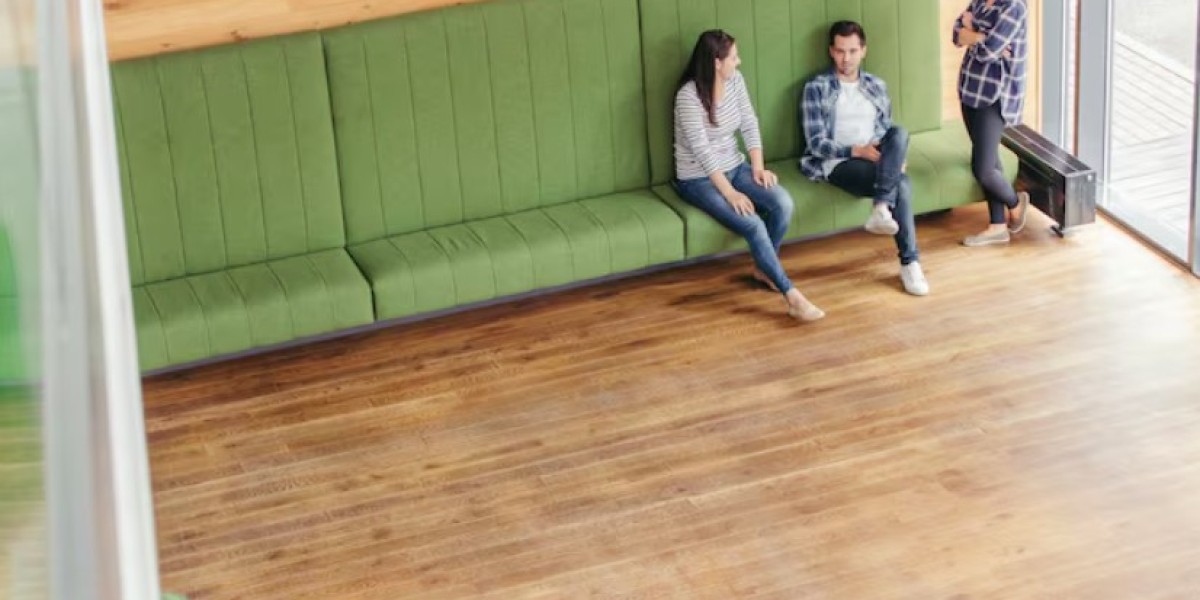


Choosing the right flooring is an important decision when designing or renovating a home. Flooring influences the appearance, comfort, durability, and overall atmosphere of an interior space. However, modern homeowners are increasingly considering more than just appearance and price. Environmental responsibility has become an important part of home improvement, encouraging people to choose materials that reduce waste, conserve natural resources, and support healthier living environments. Sustainable wood flooring is an excellent option for homeowners who want the natural beauty of wood while making environmentally conscious decisions.
Wood flooring has remained popular for generations because of its timeless appearance, versatility, and ability to complement different interior design styles. From traditional homes to contemporary spaces, wood creates warmth and character that many other flooring materials cannot replicate. When responsibly sourced and properly maintained, it can also provide a long-lasting flooring solution.
What Makes Wood Flooring Sustainable?
Sustainability in flooring involves several important factors, including where the wood comes from, how it is processed, how long the material lasts, and what happens when it eventually needs replacement. Responsible forestry practices help ensure that trees are harvested carefully while forests continue to regenerate and support wildlife.
Sustainable wood flooring generally uses timber obtained from responsibly managed forests or reclaimed materials. Manufacturers may also focus on reducing production waste, improving energy efficiency, and using environmentally responsible finishes. These practices help reduce the environmental impact associated with manufacturing and installing flooring.
Homeowners should consider the complete lifecycle of flooring rather than focusing on one environmental feature. A durable floor that lasts for decades can reduce the need for frequent replacements and minimize unnecessary material consumption.
Benefits of Choosing Sustainable Hardwood
Hardwood flooring offers a combination of natural beauty, strength, and long-term value. When sourced responsibly, sustainable hardwood flooring provides homeowners with an attractive material that supports more environmentally conscious construction choices.
One major advantage is durability. Quality hardwood can withstand years of everyday use when installed and maintained correctly. Unlike some flooring materials that may need complete replacement after relatively short periods, hardwood can often be refinished to restore its appearance.
Another benefit is its natural appearance. Every hardwood plank has unique grain patterns, colors, and textures, creating a distinctive floor that adds personality to a room. Whether homeowners prefer light oak, rich walnut, or warm maple, there are numerous options available to suit different design preferences.
Hardwood also offers flexibility in interior design. It works beautifully in living rooms, bedrooms, dining areas, and other residential spaces. Its timeless character makes it easier to update furniture, wall colors, and decorative accessories without replacing the entire floor.
The Importance of Responsible Wood Sourcing
Responsible sourcing is one of the most important elements of environmentally conscious flooring. Forests play an essential role in maintaining ecological balance, supporting biodiversity, and absorbing carbon dioxide. Poor forestry practices can damage natural habitats and contribute to environmental problems.
Homeowners can make better decisions by asking flooring suppliers about the origin of their materials. Look for information about responsible forest management, recognized certification programs, and transparent manufacturing practices.
Reclaimed wood is another excellent option. This material comes from previously used structures, buildings, barns, and other sources. Reusing existing wood gives valuable materials another purpose while reducing the demand for newly harvested timber.
Reclaimed hardwood often features distinctive imperfections, aged textures, and natural color variations. These characteristics create a unique appearance that works particularly well in rustic, farmhouse, industrial, and modern interiors.
Exploring Different Sustainable Wood Options
Different wood species offer different colors, grain patterns, and performance characteristics. Oak is a popular choice because of its strength, versatility, and attractive grain. It works well in both traditional and contemporary interiors.
Maple provides a lighter, cleaner appearance that complements minimalist and modern spaces. Its relatively subtle grain pattern makes rooms feel open and bright.
Walnut is appreciated for its deeper brown tones and elegant appearance. It can create a sophisticated atmosphere in living rooms, offices, and bedrooms.
Bamboo is another flooring material often considered by environmentally conscious homeowners. Although technically a grass rather than a hardwood, it can provide a wood-like appearance and is available in several styles and finishes.
The best choice depends on the home's design, expected foot traffic, maintenance preferences, and the sourcing practices of the manufacturer.
How Sustainable Flooring Supports Long-Term Value
Flooring should be considered a long-term investment rather than a temporary decorative feature. Choosing durable materials can help homeowners avoid repeated replacement costs and unnecessary renovation work.
Sustainable hardwood flooring can offer excellent long-term value because many hardwood surfaces can be sanded and refinished. This allows homeowners to refresh worn or outdated floors without removing all the original material.
Its timeless appearance is another advantage. While certain flooring colors and patterns become less popular over time, natural wood remains a versatile design choice. Homeowners can change their interior style while keeping the same flooring.
Proper installation is equally important. Professional preparation, suitable underlayment, and appropriate moisture management can help prevent problems that may shorten the floor's lifespan.
Maintaining Wood Floors Responsibly
Regular maintenance helps preserve the appearance and performance of wood flooring. Fortunately, caring for hardwood does not require complicated routines or excessive products.
Start by sweeping or vacuuming regularly to remove dust, dirt, and small particles. These materials can gradually scratch the finish when walked across the floor.
Use a slightly damp microfiber mop and a cleaning product specifically designed for the flooring's finish. Avoid excessive water because moisture can damage wood and cause swelling or warping.
Place protective pads underneath furniture legs to reduce scratches. Area rugs can also help protect high-traffic sections, particularly near entrances, hallways, and seating areas.
Maintaining consistent indoor humidity can further protect hardwood from excessive expansion and contraction. Homeowners should also clean spills promptly to prevent moisture from penetrating the wood.
Sustainable Flooring and Modern Interior Design
Environmentally responsible flooring does not mean sacrificing style. Modern manufacturers offer a wide variety of wood colors, finishes, plank widths, and textures that make sustainable options suitable for different interior concepts.
Light-colored flooring can create an airy and spacious atmosphere, making it ideal for smaller rooms and open-plan layouts. Medium brown tones provide warmth and balance, while darker finishes can introduce elegance and contrast.
Natural finishes are particularly popular because they highlight the original grain and character of the wood. Matte and low-sheen surfaces can create a relaxed appearance while helping disguise minor everyday marks.
Wide planks can make rooms feel more spacious, while traditional narrow planks provide a classic and familiar look. Homeowners can select a design that complements their furniture, lighting, wall colors, and overall architectural style.
Making an Environmentally Conscious Flooring Decision
Before purchasing new flooring, homeowners should evaluate several factors. Consider the source of the timber, the manufacturing process, available certifications, durability, and maintenance requirements.
It is also helpful to compare different products rather than choosing solely according to appearance or initial cost. A slightly more expensive flooring option may offer better durability and require fewer replacements over time.
Ask suppliers about finishing materials, installation recommendations, warranties, and cleaning requirements. Understanding these details can make it easier to select a product that meets both practical and environmental expectations.
Professional guidance can also help determine which wood species and installation methods are appropriate for the property's conditions.
Conclusion
Creating a beautiful home and making environmentally responsible choices can go hand in hand. Sustainable wood flooring provides an opportunity to enjoy the warmth, character, and durability of natural materials while paying attention to responsible sourcing and long-term environmental impact.
By selecting quality materials, supporting responsible forestry, considering reclaimed options, and maintaining floors properly, homeowners can create attractive interiors that last for many years. Sustainable hardwood flooring is more than a design decision; it is a practical investment in durability, timeless style, and more thoughtful use of natural resources.







