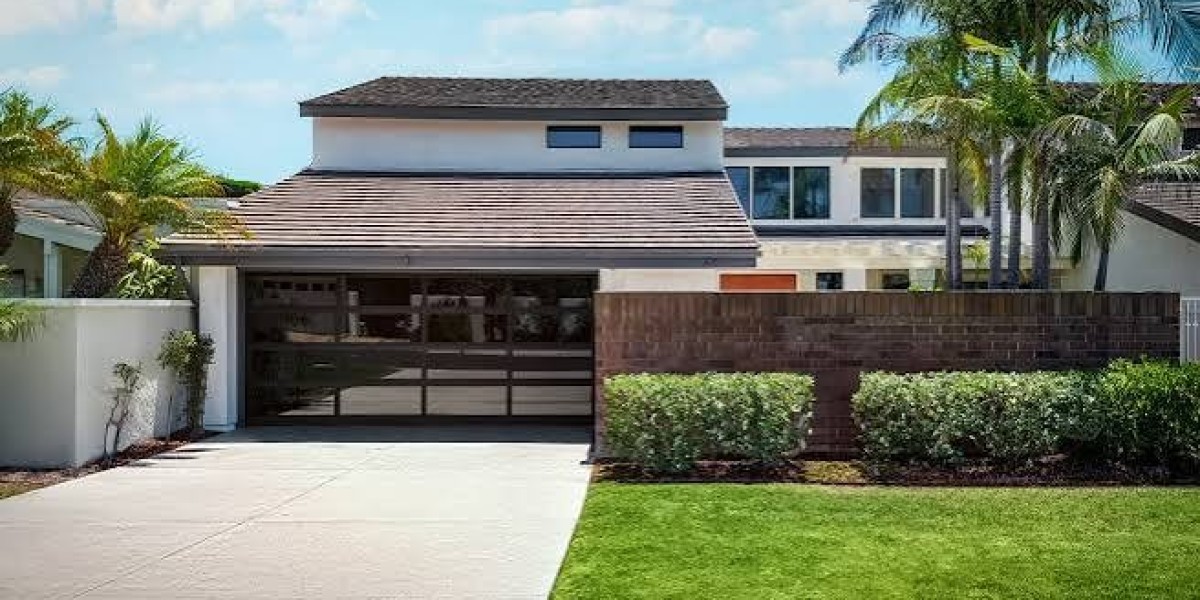


Ask a luxury buyer in Manhattan Beach why they chose a newly built home, and you'll rarely hear about a single feature. You'll hear about things they didn't have to deal with.
Preference often comes from subtraction. When buyers at this level look at a new build, they're not only gaining something. They're removing a long list of unknowns that come with older homes. If you plan to buy new construction homes in Manhattan Beach, understanding what luxury buyers cross off their list can help you decide whether it fits you too.
Luxury Buyers Pay for Certainty
At the high end, money is rarely the scarce resource. Attention, time, and peace of mind are. A buyer who has a busy career and a family doesn't want to manage a contractor, chase a leak, or discover a problem six months after moving in.
New construction appeals because it replaces open questions with answers. You know who built the home, when, to which standards, and what the warranty covers. That clarity is worth a lot to people who value their time.
Here are the six things luxury buyers most often say they want to cross off.
1. Guessing What Is Behind the Walls
In an older home, much of what matters is hidden: wiring, plumbing, insulation, framing, and what's under the floors. An inspection helps, but it can't see everything.
In a new build, the systems are installed to current standards and documented. Buyers can often walk the home during construction and see the work before drywall goes up. That visibility is hard to match in a resale.
2. Compromising on the Layout
Older homes were designed for another era. Closed-off kitchens, small bedrooms, awkward stairs, and limited storage are common. Buyers can renovate, but opening walls, moving plumbing, and reworking structure turns into a major project.
A new home is planned around how people live now: a kitchen that connects to the living space, a primary suite with real closet room, a place to work from home, and outdoor areas that function as extra rooms. On smaller Manhattan Beach lots, a well-planned layout makes a big difference in how large a home feels.
3. Inheriting Deferred Maintenance
Every older home has a maintenance history, and not every owner kept up with it. Roofs, windows, water heaters, and mechanical systems age quietly. Buyers often discover the real cost of ownership after closing.
With a new home, major components start at the beginning of their life. That doesn't mean nothing will ever need attention, but the early years tend to be quieter and more predictable.
4. Digging Through Permit History
Many older properties have additions, conversions, or upgrades done over decades. Some were permitted, some weren't. Sorting that out can slow a purchase and sometimes limits what you can do next.
A new build starts with a clean permit trail. The approvals, plans, and final sign-offs are in order, which simplifies insurance, financing, and any future resale. Luxury buyers value this because they plan to hold the home as a long-term asset.
5. Living With Aging Systems
Coastal living is hard on buildings. Salt air, moisture, and wind wear on windows, doors, roofing, and exterior finishes. Older homes may not have been built with those conditions in mind.
New construction can use materials and details chosen for the coast. Modern windows, better weather sealing, updated ventilation, and efficient heating and cooling improve comfort and can reduce day-to-day maintenance. Ask any builder what specifically they use and why.
6. Living in Someone Else's Taste
Even a beautifully updated resale reflects the previous owner's choices. Buyers can repaint and change fixtures, but flooring, cabinetry, stone, and layout are costly to redo.
A new build lets buyers shape the result. Depending on the stage of construction, they may choose finishes, lighting, cabinetry, and sometimes layout details. Luxury buyers often value having a voice, so the home feels like theirs from day one. Remember, the later you're involved, the fewer choices remain.
What Luxury Buyers Add Along the Way
Subtraction explains part of the preference. The rest is what new construction adds:
Indoor-outdoor living. Large openings, covered patios, and outdoor kitchens suit the climate.
Integrated technology. Lighting, security, audio, and climate control can be built in cleanly, not added later.
Comfort details. Better insulation, quieter systems, and thoughtful acoustics improve everyday living.
Storage and flow. Mudrooms, pantries, and well-placed closets reflect how people really live.
Future flexibility. Spaces that can serve as an office, guest suite, or gym adapt as needs change.
None of these require a mansion. They require planning, which is easier when the home is designed from scratch.
Why It Matters in Manhattan Beach
Manhattan Beach has its own character, and it shapes the new-construction experience:
Smaller lots. Careful design is essential to make a home feel spacious and private.
Local rules. Height limits, setbacks, and design requirements affect what can be built, so experience with city processes matters.
Coastal conditions. Salt, moisture, and wind affect materials and long-term maintenance.
Neighborhood differences. The Sand Section, Tree Section, Hill Section, and east side each offer a different setting and lifestyle.
A builder who understands these factors can deliver a home that suits both the lot and the neighborhood. Verify current rules and area details with the city and local professionals.
When an Existing Home Still Wins
New construction isn't right for everyone. An existing home may be the better choice when:
You love the character, mature landscaping, or architecture of a particular older home.
You want to move in quickly and avoid any construction-stage timeline.
A specific location or view isn't available in new construction.
You enjoy renovating and want to shape an older home over time.
Be honest about what matters most to you. There's no single right answer, only the one that fits your life.
Before You Buy a New Build
If you're leaning toward new construction, a few checks go a long way:
Ask what stage the home is in. This tells you how many choices remain.
Review the plans and approvals. Confirm that permits and sign-offs are in place.
Read the contract closely. Look at allowances, upgrades, change-order terms, and warranty coverage.
Inspect independently. A new home still benefits from a professional inspection.
Ask about the builder's process. Find out who your point of contact is and how issues are handled after closing.
At Reeland Investments, we build and develop homes in Southern California, with a focus on thoughtful design and clear communication. We encourage buyers to ask detailed questions and take the time they need before committing to any home.
Final Thoughts
Luxury buyers don't choose new construction in Manhattan Beach only for what it adds. They choose it for what it takes away: unknowns, compromises, deferred repairs, and paperwork puzzles. When you remove those, what remains is a home that fits how you live, built for the coast, with a clear record behind it.
If you're considering whether to buy new construction homes Manhattan Beach, start with your own list. What would you most like to cross off? Your answer will point you toward the right home.
Frequently Asked Questions
Why do luxury buyers prefer new construction over resale homes?
Many buyers want certainty. A new home offers current building standards, a clean permit record, a warranty, and fewer hidden problems than an older property.
Does a new home still need an inspection?
Yes. Even new construction can have overlooked issues. An independent inspection is a smart safeguard.
Can I customize a new construction home?
Often, but it depends on the stage of construction. Earlier involvement usually means more choices on layout, finishes, and features.
Is new construction better for coastal conditions?
It can be, because materials and details can be chosen for salt air and moisture. Ask the builder what specifically is used and why.
Are existing homes ever the better choice?
Yes. If you value established character, a specific location, or a faster move-in, an existing home may fit better.
What should I ask a builder before buying?
Ask about permits and approvals, warranty terms, allowances and upgrades, how changes are handled, and who you will work with after closing.