

Cardiovascular health in newborns requires careful attention, especially when normal transition processes after birth do not occur as expected. A key condition affecting congenital blood circulation in infants is pda patent ductus arteriosus. Recognizing the causes, symptoms, and modern treatment approaches for this condition helps parents make informed decisions about their child's medical care.
What is PDA Patent Ductus Arteriosus?
The ductus arteriosus is a temporary blood vessel that connects the main body artery (aorta) with the lung artery (pulmonary artery) while a baby is developing in the womb. Before birth, this vessel allows blood to bypass the lungs because the unborn baby receives oxygen directly from the mother through the placenta.
Normally, the ductus arteriosus closes naturally within a few days after birth as the baby begins breathing air independently. When this vessel remains open, it is referred to as pda patent ductus arteriosus. The open pathway allows oxygen-rich blood from the aorta to mix with oxygen-poor blood in the pulmonary artery, putting extra strain on both the heart and lungs.
Causes and Risk Factors
While the exact cause of pda patent ductus arteriosus is not always clear, several factors increase the likelihood of the vessel remaining open:
Premature Birth: Preterm infants have a higher risk because their organ systems are less developed.
Genetic Conditions: Conditions like Down syndrome are associated with higher rates of congenital heart defects.
Maternal Infections: Contracting viral illnesses such as German measles (rubella) during pregnancy can affect fetal heart development.
High Altitude Births: Babies born at high altitudes face lower oxygen levels, which can contribute to the vessel staying open.
Family History: A history of congenital heart conditions increases the risk factor for newborns.
Recognizing Symptoms
The severity of symptoms associated with pda patent ductus arteriosus depends on the size of the opening and the volume of blood flowing through it. Small defects may cause no noticeable symptoms and might only be discovered during a routine physical exam. Larger openings, however, present clearer signs:
Rapid or labored breathing
Easy tiring during feeding or play
Poor weight gain and delayed growth
Continuous heart murmur heard through a stethoscope
Fast pulse and pounding heartbeats
Frequent respiratory infections
If left untreated, a large pda patent ductus arteriosus can lead to pulmonary hypertension—a serious condition involving high blood pressure in the lungs—or enlargement of the heart muscles.
Diagnostic Approach
Identifying pda patent ductus arteriosus involves standard pediatric cardiac diagnostics:
Echocardiogram: The primary tool used to visualize the open ductus, measure its size, and evaluate blood flow between the aorta and pulmonary artery.
Chest X-Ray: Displays whether the heart is enlarged or if there is excess fluid buildup in the lungs.
Electrocardiogram (ECG): Assesses electrical signals to identify any strain on the heart chambers.
Treatment and Management Options
Treatment strategies for pda patent ductus arteriosus depend on the infant's age, overall health, and the size of the opening.
Monitoring: Small openings often close on their own without active intervention, requiring only regular monitoring by a cardiologist.
Medications: In premature infants, nonsteroidal anti-inflammatory drugs (NSAIDs) may be administered to help close the vessel naturally.
Transcatheter Closure: A minimally invasive procedure where a small plug or coil is guided through a catheter in the groin up to the heart to seal the open vessel.
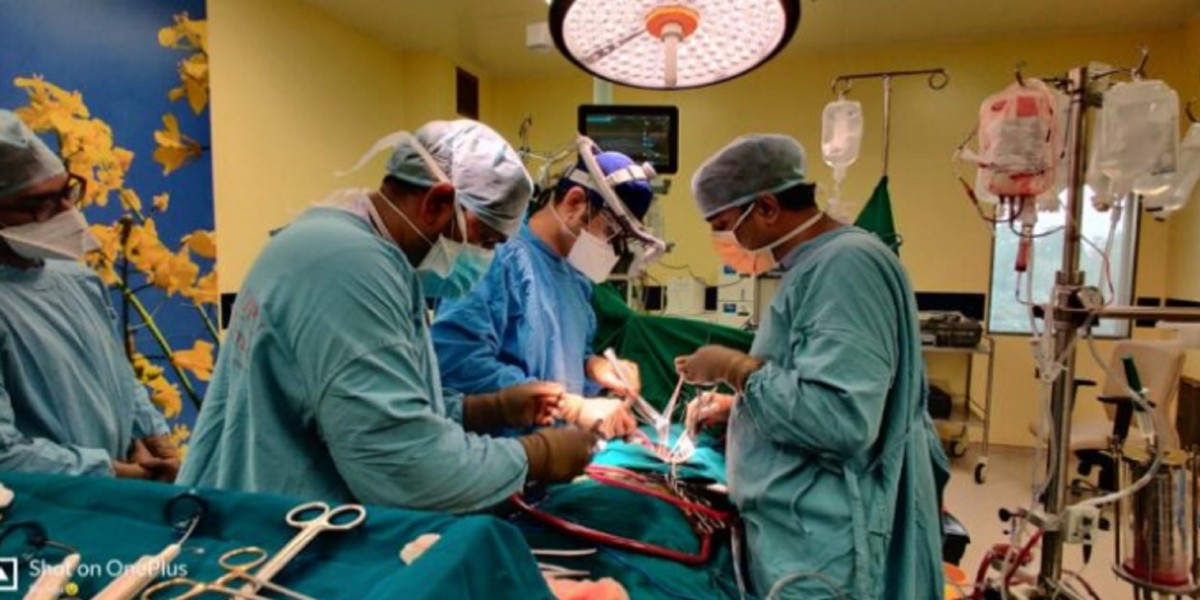
Surgical Ligation: When catheter-based closure is not suitable or if the defect is exceptionally large, surgical closure through open or minimally invasive techniques becomes necessary.
For complex structural repairs and guidance on pediatric cardiac procedures, consulting experienced professionals makes a significant difference. One of the Best Cardiac Surgeon In Pune With 1500 open heart surgeries and having 15+years of experience - Dr. Ashish Dolas provides comprehensive guidance for families navigating congenital cardiovascular care.
Conclusion
Early detection and appropriate treatment of pda patent ductus arteriosus ensure that infants avoid long-term complications and enjoy normal, healthy growth. Whether managed through medical observation, catheter procedures, or surgery, modern care techniques offer exceptional outcomes. If you suspect your child shows symptoms of a heart defect, consult a pediatric cardiology specialist to discuss accurate diagnostic evaluations and tailored care plans.
Visit for more info :- https://www.drashishdolas.com/pda-patent-ductus-arteriosus/








