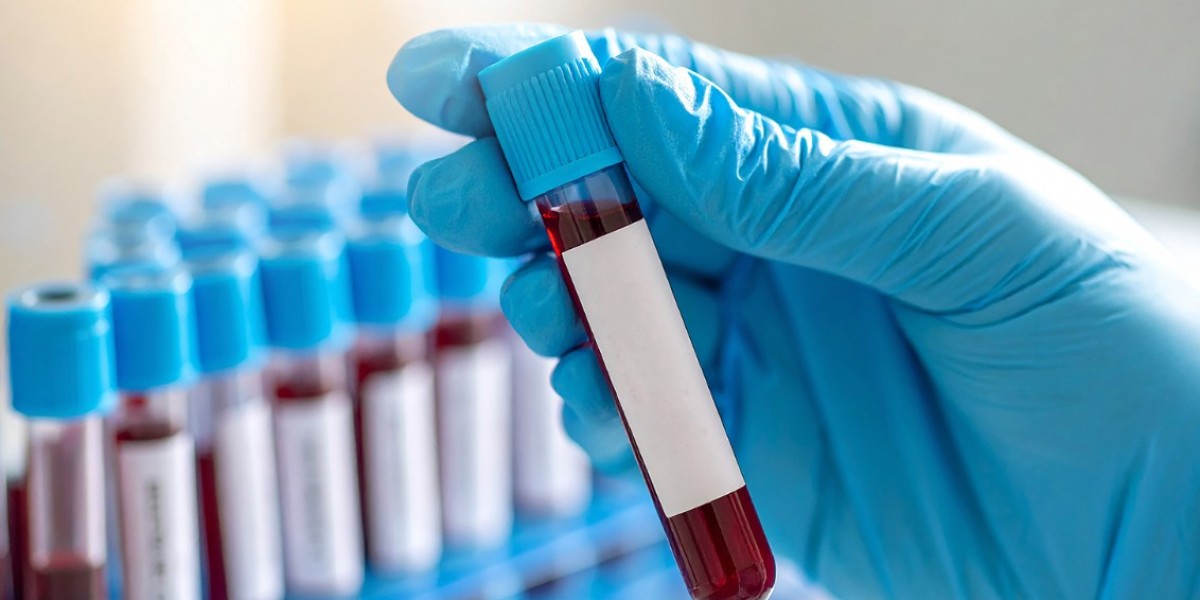


A Health Checkup is a preventive health screening that helps evaluate your overall health and identify potential medical conditions before symptoms develop. Regular health checkups play a key role in detecting diseases early, monitoring existing health conditions, and supporting a healthier lifestyle.
Whether you are healthy or have risk factors for chronic diseases, routine health checkups can help you stay informed about your health and receive timely medical care when needed.
What Is a Health Checkup?
A Health Checkup is a combination of medical examinations and laboratory tests designed to assess different aspects of your health. Depending on your age, gender, lifestyle, and medical history, healthcare providers may recommend different health checkup packages.
The objective is to identify health concerns early and promote preventive healthcare.
Why Is a Health Checkup Important?
Regular health checkups help:
- Detect diseases before symptoms appear
- Monitor existing medical conditions
- Evaluate overall health status
- Identify nutritional deficiencies
- Assess lifestyle-related health risks
- Promote preventive healthcare
- Improve long-term health outcomes
Who Should Get a Health Checkup?
Health checkups are beneficial for:
- Adults of all age groups
- Individuals above 30 years
- People with diabetes or hypertension
- Individuals with obesity
- Smokers
- People with a family history of chronic diseases
- Working professionals
- Senior citizens
Even healthy individuals should consider routine preventive health screenings.
What Tests Are Included in a Health Checkup?
The tests included depend on the selected package but commonly include:
- Complete Blood Count (CBC)
- Blood Sugar Tests
- HbA1c
- Lipid Profile
- Liver Function Test (LFT)
- Kidney Function Test (KFT)
- Thyroid Function Test (TFT)
- Urine Routine Examination
- Vitamin D Test
- Vitamin B12 Test
- Iron Profile
- ECG (in selected packages)
- Chest X-ray (if recommended)
Some advanced packages may also include cardiac, hormonal, cancer screening, or imaging tests.
Common Health Conditions Detected
A Health Checkup may help identify:
- Diabetes
- High cholesterol
- High blood pressure
- Anaemia
- Thyroid disorders
- Liver disease
- Kidney disease
- Vitamin deficiencies
- Heart disease risk
- Certain infections
Early detection allows timely treatment and better disease management.
How Is a Health Checkup Performed?
The process generally includes:
- Appointment booking.
- Medical history review.
- Blood and urine sample collection.
- Additional investigations if included.
- Laboratory analysis.
- Report generation.
- Doctor consultation (available with selected packages).
Many laboratories also offer home sample collection for added convenience.
How Should You Prepare for a Health Checkup?
Preparation depends on the tests included.
Generally:
- Fast for 8–12 hours if advised.
- Drink water unless instructed otherwise.
- Avoid alcohol before testing.
- Inform your healthcare provider about medications.
- Carry previous medical reports if available.
- Follow laboratory instructions carefully.
Benefits of a Health Checkup
Regular health checkups offer several advantages:
- Early disease detection
- Better treatment outcomes
- Monitoring of chronic diseases
- Identification of nutritional deficiencies
- Improved quality of life
- Personalised health recommendations
- Peace of mind
How Often Should You Get a Health Checkup?
General recommendations include:
- 20–30 years: Every 2–3 years
- 30–40 years: Every 1–2 years
- Above 40 years: Once every year
- Individuals with chronic diseases: As advised by their healthcare provider
The frequency may vary depending on your health status and risk factors.
Tips to Maintain Good Health
Along with regular health checkups:
- Eat a balanced diet rich in fruits and vegetables.
- Exercise regularly.
- Stay physically active.
- Maintain a healthy body weight.
- Sleep 7–8 hours daily.
- Avoid smoking and excessive alcohol.
- Manage stress effectively.
- Stay hydrated.
When Should You Consult a Doctor?
Seek medical advice if you experience:
- Persistent fatigue
- Unexplained weight changes
- Frequent infections
- High blood pressure
- High blood sugar
- Chest pain
- Shortness of breath
- Abnormal health checkup results
Early medical evaluation helps prevent complications and supports effective treatment.
Conclusion
A Health Checkup is one of the most effective ways to monitor your overall health and detect potential medical conditions at an early stage. Regular preventive screenings help identify risk factors for diseases such as diabetes, heart disease, thyroid disorders, liver problems, kidney disease, and nutritional deficiencies before they become serious. Combined with a healthy lifestyle and regular medical follow-up, routine health checkups can help you maintain better health, improve quality of life, and reduce the risk of future complications.








