

Introduction
Email remains one of the most effective communication channels for businesses, especially when it comes to billing and bookings. Whether you operate an e-commerce store, hotel, consultancy, healthcare clinic, or SaaS company, professionally designed emails help establish credibility while improving customer experience. A clear and attractive billing email reduces payment delays, while an organised booking confirmation reassures customers that every detail has been received correctly.
Modern customers expect emails that are easy to read on every device, visually appealing, and personalised. They also expect invoices, receipts, payment reminders, reservation confirmations, and appointment details to arrive instantly. Businesses that invest in professionally designed templates often experience higher engagement, fewer customer support enquiries, and stronger brand recognition.
This guide explores everything you need to know about creating effective billing emails, HTML billing email designs, booking templates, and booking confirmation emails that build trust and improve communication.
Understanding Professional Email Templates
Professional email templates are reusable email layouts designed to maintain consistency across all customer communications. Instead of creating each email from scratch, businesses prepare structured templates containing their branding, messaging, and essential information.
A professionally designed template offers far more than convenience. It ensures every customer receives accurate information presented in a clean, organised format. This consistency reinforces brand identity and helps customers quickly locate important details such as invoice numbers, booking references, payment dates, or contact information.
Templates also reduce human error. Employees are less likely to omit critical information because the structure already includes all necessary sections. Automated systems can populate customer-specific details, making the communication both efficient and personalised.
For growing businesses, reusable templates save valuable time while maintaining a professional appearance across thousands of emails.
Why Businesses Need Email Templates
Every customer interaction shapes a company's reputation. A poorly formatted invoice or confusing booking confirmation can leave customers uncertain, even if the service itself is excellent.
Well-designed templates provide several benefits:
- Consistent branding
- Faster communication
- Improved customer confidence
- Reduced administrative workload
- Higher payment completion rates
- Better customer satisfaction
Businesses that standardise their communications also simplify internal workflows, making onboarding and training easier for staff.
Billing Email Templates
A billing email informs customers about payments, invoices, due dates, or completed transactions. Although its primary purpose is financial communication, the email should remain friendly, professional, and easy to understand.
Customers appreciate transparency. A billing email should immediately explain why they are receiving the message without requiring them to search through lengthy paragraphs.
Essential Components
An effective billing email typically includes:
Section | Purpose |
Subject line | Clearly states the invoice or payment purpose |
Greeting | Personalises the message |
Invoice summary | Explains the payment request |
Amount due | Displays the balance clearly |
Due date | Indicates payment deadline |
Payment methods | Provides convenient options |
Contact details | Offers assistance if needed |
Each component contributes to a smoother customer experience. When information is organised logically, customers are more likely to complete payments promptly.
Example Billing Email Template
Subject: Invoice #2026-1045 – Payment Due
Dear John Smith,
Thank you for choosing our services.
Your invoice is now available for the completed project. The total balance due is £450.00, payable by 30 July 2026.
Invoice Summary:
- Invoice Number: 2026-1045
- Amount Due: £450.00
- Due Date: 30 July 2026
You can securely complete your payment using the link below.
Pay Invoice
If you have any questions regarding this invoice, simply reply to this email and our support team will be happy to assist.
Kind regards,
Finance Team
HTML Billing Email Template Design
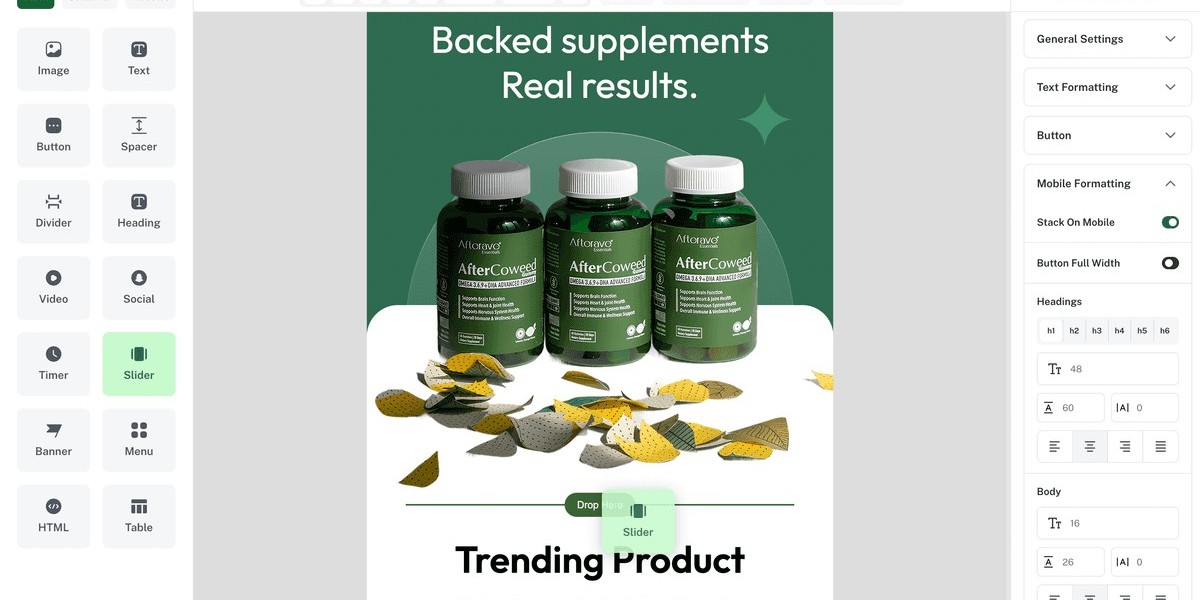
An HTML billing email template combines visual appeal with functionality, making invoices easier to read and more engaging than plain-text emails. A professionally designed HTML email reinforces your brand identity by incorporating your logo, colour palette, typography, and consistent styling. At the same time, it should remain lightweight, responsive, and compatible with the major email clients such as Gmail, Outlook, Apple Mail, and Yahoo Mail. Since email clients have varying levels of HTML and CSS support, developers should favour table-based layouts and inline CSS to ensure consistent rendering across platforms.
The visual hierarchy of a billing email is equally important. The recipient should immediately recognise the sender, understand the purpose of the email, and identify the amount due without searching through multiple paragraphs. Prominent headings, adequate spacing, and strategically placed call-to-action buttons all contribute to a better user experience. A cluttered design can overwhelm recipients, increasing the likelihood that they will postpone payment or overlook key details.
Accessibility should also be a priority. Use high-contrast colours, readable font sizes, descriptive button labels, and alternative text for images. Avoid relying solely on images to convey important information, as many email clients block images by default. Responsive design techniques ensure the email adapts gracefully to smartphones and tablets, where a significant portion of business emails are now opened.
Responsive Design Principles
Responsive email design ensures that your billing emails look professional on screens of every size. Unlike websites, email clients have stricter rendering limitations, making careful coding essential. A responsive template automatically adjusts column widths, font sizes, button placement, and image scaling to provide a seamless reading experience.
Some key principles include:
- Use a single-column layout for better mobile readability.
- Keep the email width around 600 pixels for desktop compatibility.
- Use large, tappable buttons for payment links.
- Maintain generous spacing between sections.
- Compress images to reduce loading time.
- Test the email in multiple email clients before deployment.
These practices improve usability while reducing the risk of formatting issues that could affect customer trust.
Branding and Visual Hierarchy
Brand consistency strengthens customer recognition. Every billing email should include:
- Company logo
- Brand colours
- Consistent typography
- Professional footer
- Contact information
- Social media links (optional)
Visual hierarchy guides readers naturally through the email. A clear heading, concise summary, highlighted payment amount, and prominent payment button ensure recipients can complete the intended action quickly and confidently.
Mobile Optimisation
With many recipients checking emails on mobile devices, optimisation is essential rather than optional. Mobile-friendly billing emails should feature:
- Responsive layouts
- Large fonts (at least 16px for body text)
- Full-width action buttons
- Minimal horizontal scrolling
- Fast-loading images
- Short paragraphs
Testing your design on various devices helps identify any rendering inconsistencies before sending emails to customers.
Booking Email Templates
A booking email template is used to communicate with customers before, during, or after a reservation process. Whether you're managing hotel bookings, appointments, event registrations, restaurant reservations, or travel arrangements, a structured booking email keeps customers informed and reassured.
An effective booking email should provide all essential details while maintaining a warm and welcoming tone. Customers should immediately know that their request has been received, what happens next, and how they can contact you if they need assistance.
Reservation Request Emails
Reservation request emails acknowledge that a booking enquiry has been submitted but is still awaiting confirmation. These emails help manage customer expectations by explaining the review process and estimated response time.
Example Reservation Request
Subject: We've Received Your Booking Request
Hello Sarah,
Thank you for your booking request.
We've successfully received your reservation enquiry and are currently reviewing availability. Our team will confirm your booking within the next 24 hours.
If you need to make any changes in the meantime, simply reply to this email or contact our support team.
We appreciate your patience and look forward to serving you.
Kind regards,
The Reservations Team
Follow-Up Booking Emails
Follow-up emails maintain engagement after the initial reservation. They may include reminders, additional instructions, upsell opportunities, or requests for additional information. A well-timed follow-up can reduce no-shows, improve customer preparedness, and enhance the overall experience.
Examples include:
- Appointment reminders
- Check-in instructions
- Pre-arrival information
- Event schedules
- Parking details
- Cancellation policy reminders
These communications provide value while demonstrating professionalism and attentiveness.
Booking Confirmation Email Templates
A booking confirmation email template confirms that a reservation has been successfully completed. It serves as an official record for both the customer and the business, reducing uncertainty and providing all necessary information in one place.
An excellent confirmation email should answer common customer questions before they are asked. This reduces support requests and builds confidence in your service.
Mandatory Information
Every booking confirmation email should clearly include:
Information | Purpose |
Booking reference | Unique reservation identifier |
Customer name | Personalisation |
Service or event | What was booked |
Date and time | Reservation schedule |
Location | Venue or meeting link |
Payment status | Paid, pending, or balance due |
Contact details | Customer support information |
Cancellation policy | Booking terms |
Presenting these details in a structured format makes the email easy to scan and reference later.
Example Booking Confirmation Email
Subject: Your Booking is Confirmed!
Dear Emma,
Thank you for choosing us.
We're delighted to confirm your booking.
Booking Details
- Booking ID: BK-54872
- Service: Business Consultation
- Date: 18 August 2026
- Time: 10:00 AM
- Duration: 60 Minutes
- Location: London Office
Your payment has been successfully processed.
If you need to modify or cancel your booking, please contact us at least 24 hours before your appointment.
We look forward to welcoming you.
Best regards,
Customer Success Team
Personalisation Tips
Personalisation transforms automated emails into meaningful customer interactions. Rather than sending generic messages, tailor each email using dynamic fields such as:
- Customer name
- Booking reference
- Service booked
- Preferred language
- Previous purchase history
- Loyalty status
Small touches—like addressing recipients by name or recommending related services—can make communications feel more thoughtful and relevant.
Automation Strategies
Modern businesses rarely send billing or booking emails manually. Instead, they rely on email automation platforms that trigger messages based on customer actions. For example, an invoice email can be generated immediately after a purchase, while a booking confirmation can be sent the moment a reservation is completed. Automation not only saves time but also ensures that every customer receives timely and accurate communication without requiring manual intervention.
A well-planned automation workflow should cover the entire customer journey. This includes invoice generation, payment reminders, overdue notices, booking confirmations, reminder emails before appointments, follow-up messages after services, and feedback requests. Each email should have a clear purpose and should arrive at the most appropriate time. For instance, a reminder sent 24 hours before an appointment can significantly reduce no-shows, while a thank-you email sent shortly after a completed booking can encourage repeat business and positive reviews.
Businesses should also monitor the performance of their automated emails. Metrics such as open rates, click-through rates, bounce rates, and conversion rates provide valuable insights into customer engagement. Regularly reviewing these statistics allows organisations to refine subject lines, improve content, optimise sending times, and identify opportunities for better personalisation. Continuous testing ensures that automated emails remain effective as customer preferences evolve.
Common Mistakes to Avoid
Even the most attractive email templates can fail if they overlook basic usability and communication principles. Avoiding common mistakes helps maintain professionalism, reduces confusion, and improves customer satisfaction.
Design Errors
One of the most frequent design mistakes is creating overly complex layouts. Multiple columns, oversized images, or excessive animations may look impressive but often render poorly across different email clients. Simplicity usually delivers the best user experience. Stick to clean layouts, readable fonts, and a consistent colour scheme that reflects your brand.
Another common issue is neglecting mobile optimisation. Since many recipients read emails on smartphones, templates that require zooming or horizontal scrolling create frustration. Buttons should be large enough to tap easily, and text should remain legible without requiring adjustments from the user.
Accessibility is equally important. Low-contrast text, tiny fonts, or buttons that rely only on colour can make emails difficult to use for people with visual impairments. Following accessibility best practices ensures your messages are inclusive and easier for everyone to understand.
Content Mistakes
Content should always be clear, concise, and action-oriented. Avoid long introductions that bury the purpose of the email. The recipient should immediately understand whether the email concerns an invoice, payment reminder, booking request, or reservation confirmation.
Other common content mistakes include:
- Missing invoice or booking reference numbers.
- Omitting payment due dates.
- Forgetting contact information.
- Using vague or generic subject lines.
- Including broken payment or confirmation links.
- Failing to personalise the message.
Before sending any email template, proofread the content and test every link. Even a small mistake, such as an incorrect payment URL or an inaccurate booking date, can lead to customer dissatisfaction and increased support enquiries.
Best Practices for Higher Engagement
Creating professional billing and booking emails is about more than attractive design. The most successful templates encourage customers to take action quickly while reinforcing trust in your brand. Every email should provide value, answer likely questions, and make the next step obvious.
A compelling subject line is one of the most important factors influencing open rates. Rather than using vague phrases, make the purpose immediately clear. Examples include "Invoice #1058 Ready for Payment", "Your Hotel Booking Has Been Confirmed", or "Reminder: Appointment Tomorrow at 2:00 PM." Clear subject lines reduce confusion and increase the likelihood that recipients will engage with the email.
Keep your messaging conversational yet professional. Customers appreciate straightforward language that avoids unnecessary jargon. Break large blocks of text into manageable paragraphs, use headings to organise information, and highlight essential details such as payment amounts or reservation dates in bold. If action is required, provide a single, prominent call-to-action button with descriptive text such as "Pay Invoice", "View Booking", or "Manage Reservation."
Regular testing is another hallmark of successful email campaigns. Send test emails to multiple devices and email clients before launching a campaign. Verify that images display correctly, buttons function properly, and links lead to the intended destination. Small improvements identified during testing can have a significant impact on customer satisfaction and conversion rates.
Finally, remember that consistency builds trust. Every billing and booking email should reflect your company's branding, tone of voice, and commitment to customer service. When customers receive polished, reliable communications, they are more likely to view your business as professional, dependable, and worthy of their continued loyalty.
Conclusion
Professional billing email templates, HTML billing email template design, booking email templates, and booking confirmation email templates are essential tools for businesses that value efficiency, consistency, and customer satisfaction. Well-crafted templates simplify communication, reduce administrative effort, and provide customers with the information they need in a clear and organised format. Whether you're sending invoices, confirming appointments, or acknowledging reservations, a thoughtfully designed email enhances the overall customer experience.
By combining responsive HTML design, concise messaging, strong branding, and intelligent automation, businesses can create email communications that not only look professional but also achieve measurable results. Regular testing, ongoing optimisation, and careful attention to accessibility ensure that your templates remain effective across devices and email clients. Investing time in developing high-quality email templates today can lead to improved engagement, faster payments, stronger customer relationships, and long-term business growth.
Frequently Asked Questions (FAQs)
- What is a billing email template?
A billing email template is a pre-designed email used to send invoices, payment reminders, receipts, or billing notifications to customers. It standardises financial communication while maintaining a professional appearance.
- Why should I use HTML for billing emails?
HTML emails allow you to include branding, responsive layouts, buttons, tables, and professional formatting. They provide a more engaging and user-friendly experience than plain-text emails.
- What should a booking confirmation email include?
A booking confirmation email should contain the customer's name, booking reference, service details, date and time, location, payment status, cancellation policy, and contact information for support.
- How can I improve the open rate of billing and booking emails?
Use clear and specific subject lines, personalise the recipient's name, send emails at appropriate times, ensure your sender name is recognisable, and keep your content relevant and concise.
- Can billing and booking emails be automated?
Yes. Most CRM systems, booking platforms, and email marketing tools support automation. Automated workflows can instantly send invoices, confirmations, reminders, receipts, and follow-up emails based on customer actions, improving efficiency while reducing manual work.
Contacts:
Email: support@maileditor.net
Phone: +15057558453
Address: 1209 MOUNTAIN ROAD PL NE STE R,
ALBUQUERQUE, NM 87110








