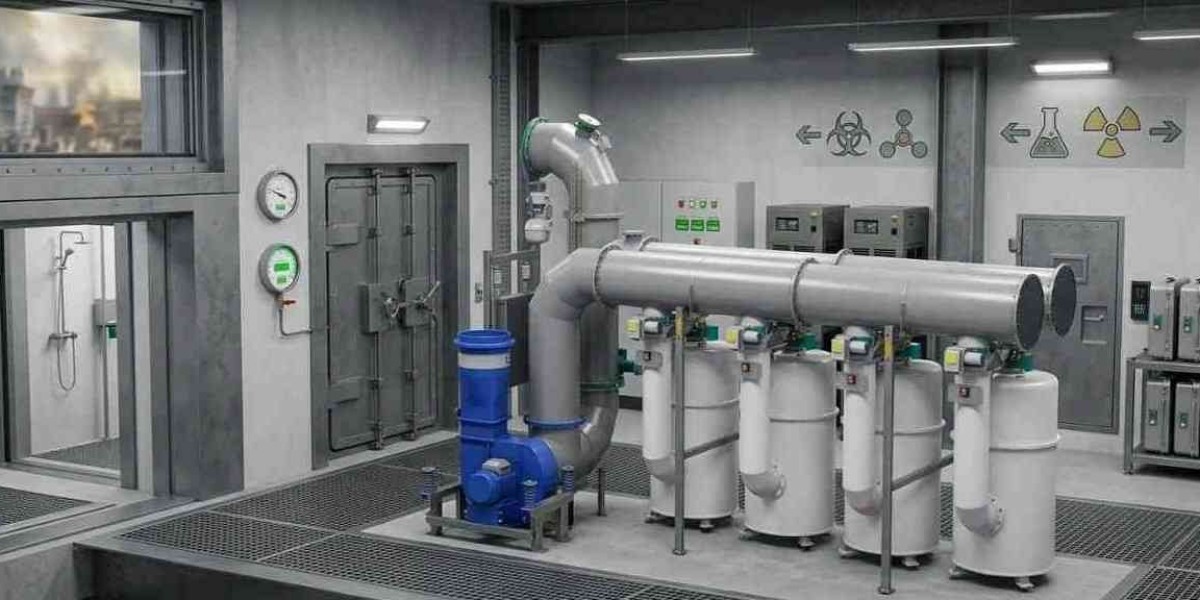


A military command bunker receives an emergency alert following a hazardous chemical release near a strategic installation. Blast-resistant construction protects the facility from physical damage, but the real challenge begins once contaminated air threatens to enter the shelter. In such situations, an NBC filter for the bunker becomes a critical engineering component, ensuring that occupants continue to receive clean, breathable air throughout the emergency. This is where a properly engineered CBRN Filtration System plays a vital role, combining advanced filtration with controlled airflow to maintain a safe indoor environment during nuclear, biological, and chemical incidents.
As geopolitical risks, industrial accidents, and hazardous material emergencies continue to evolve, emergency preparedness has become a strategic priority for military organizations, government agencies, and operators of critical infrastructure. Air protection systems are no longer viewed as optional additions but as essential life-support equipment. A modern CBRN Filtration System provides dependable protection against radioactive particles, biological contaminants, and toxic chemical agents while supporting uninterrupted operations inside secure facilities.
What Makes an NBC Filter Essential During Emergencies?
Unlike conventional HVAC systems, an nbc filter system is specifically engineered to function during contamination events. It is designed to remove hazardous airborne substances while maintaining positive pressure inside protected shelters.
Modern systems combine multiple filtration stages with precision airflow control. This integrated approach allows protected facilities to remain operational even when surrounding environments become unsafe due to airborne contaminants.
How a CBRN Filtration System Protects Occupants
A CBRN Filtration System follows a multi-stage treatment process that addresses different categories of airborne threats.
Pre-filters capture coarse dust and debris, preventing premature loading of high-efficiency filters. HEPA filters then remove extremely fine radioactive particles and biological aerosols. Activated carbon filters adsorb toxic industrial chemicals and chemical warfare agents before purified air is distributed throughout the protected facility.
Positive pressure ventilation further strengthens protection by ensuring filtered air continuously flows outward through minor structural gaps, preventing contaminated outside air from entering occupied spaces.
For readers seeking a deeper understanding of filtration engineering, this technical resource on CBRN Filtration System explains the design principles behind modern NBC air protection systems.
Key Features That Strengthen Emergency Preparedness
An effective bunker filtration system must perform reliably under demanding operating conditions. Several engineering features directly influence operational readiness.
HEPA Filtration: High-efficiency particulate air filters capture microscopic radioactive dust, biological particles, and other airborne contaminants with exceptional efficiency.
Activated Carbon Filtration: Activated carbon beds remove hazardous gases and chemical vapours through adsorption, making them essential for chemical threat protection.
Positive Pressure Protection: Maintaining higher internal air pressure prevents contaminated air infiltration through doors, cable penetrations, and structural joints.
Continuous Air Monitoring: Pressure sensors, airflow indicators, and environmental monitoring equipment allow operators to verify system performance throughout an emergency.
Durable Construction: Corrosion-resistant housings and industrial-grade components improve long-term reliability, particularly in underground bunkers and harsh operating environments.
Modular Engineering: Modular designs simplify maintenance, future upgrades, and filter replacement while minimizing operational downtime.
Applications Across Critical Infrastructure
Although widely associated with military shelters, NBC filtration systems protect many high-security facilities.
Typical applications include:
- Military bunkers
- Defence installations
- Border security facilities
- Command and control centres
- Ammunition storage facilities
- Nuclear power plants
- Chemical processing plants
- Petrochemical facilities
- Underground emergency shelters
- Government security buildings
- Strategic infrastructure
- Data centres
- Critical industrial facilities
Each installation requires an engineering solution matched to its operational risks, occupancy levels, and environmental conditions.
Engineering Factors That Influence Long-Term Value
Emergency preparedness depends on selecting a filtration system based on engineering performance rather than initial procurement cost.
Key evaluation criteria include:
- Threat assessment requirements
- Airflow capacity
- Filtration efficiency standards
- Required contamination protection level
- Shelter occupancy
- Facility size
- Environmental conditions
- Applicable defence and industrial compliance standards
- Monitoring and automation capabilities
- Maintenance planning
- Lifecycle operating costs
- Installation complexity
Organizations researching the NBC air filtration system price or comparing the NBC filtration system in Faridabad price should prioritize engineering suitability instead of relying solely on purchase cost comparisons.
Choosing the Right Manufacturer
Long-term system reliability begins with selecting an experienced manufacturer.
When evaluating the Top CBRN filtration system manufacturers in India, buyers should consider:
- Proven defence engineering expertise
- Manufacturing infrastructure
- Product testing and validation procedures
- Compliance certifications
- System customization capability
- Technical documentation quality
- Installation support
- Preventive maintenance services
- Spare parts availability
- Long-term operational performance
The same technical assessment should apply when reviewing the Top NBC filtration system manufacturers in India, particularly for defence facilities and critical infrastructure projects where system failure is not an option.
Common Mistakes to Avoid
Several procurement decisions can compromise emergency preparedness if overlooked.
Avoid these common mistakes:
- Selecting systems without conducting a comprehensive threat assessment
- Ignoring airflow calculations during facility design
- Underestimating filtration efficiency requirements
- Choosing equipment based solely on cost
- Delaying preventive maintenance planning
- Overlooking defence compliance standards
- Ignoring shelter pressurization requirements
- Failing to plan for future facility expansion
- Using incorrect filter replacement schedules
- Skipping system testing and commissioning before operational deployment
Careful engineering validation significantly improves long-term reliability and emergency readiness.
Conclusion
An NBC filter for bunker is far more than a ventilation accessory—it is a critical life-safety system that supports operational continuity during nuclear, biological, and chemical emergencies. A professionally engineered CBRN Filtration System combines HEPA filtration, activated carbon technology, positive pressure operation, and advanced airflow management to protect occupants from hazardous airborne contaminants.
For military installations, government facilities, industrial plants, and emergency shelters, investing in the right filtration technology strengthens preparedness, enhances regulatory compliance, and improves long-term infrastructure resilience. Selecting a system based on sound engineering principles rather than cost alone ensures dependable protection when emergency conditions demand the highest level of performance.






