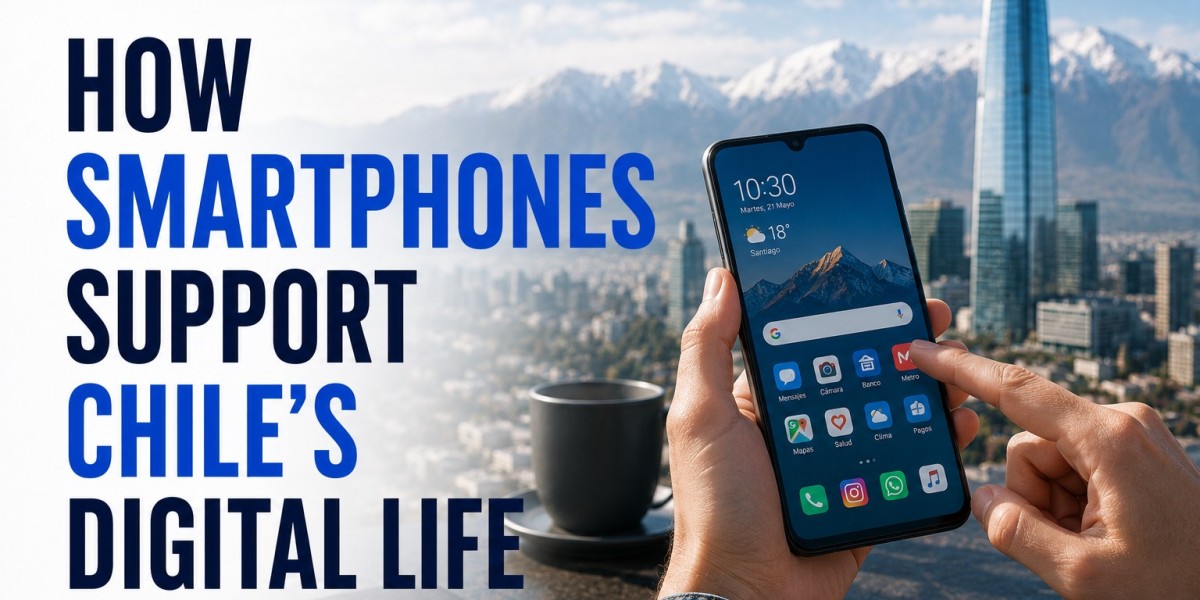


Smartphones are central to daily life in Chile because they connect people with communication, banking, education, entertainment, work, shopping, transport, healthcare, and public services. These devices are no longer used only for calls and messaging. They now support mobile apps, digital wallets, video streaming, social media, navigation, remote work, online learning, and content creation, making them essential tools in both personal and professional routines.
A recent study by MarkNtel Advisors highlights that the Chile smartphone sector was valued at USD 2.8 billion in 2025. It is projected to grow from USD 2.99 billion in 2026 to USD 4.12 billion by 2032, registering a CAGR of 5.49% during 2026–2032. This growth reflects mobile internet use, 5G adoption, app-based services, replacement demand, online retail, and rising preference for feature-rich devices.
Connectivity Drives Smartphone Use
Mobile connectivity is one of the strongest reasons smartphones remain important in Chile. Consumers use smartphones to access social platforms, video calls, email, digital payments, maps, government services, and online entertainment. As networks improve, users expect faster browsing, smoother streaming, better app performance, and more reliable mobile experiences across urban and regional areas.
Chile’s Subsecretaría de Telecomunicaciones states through its update on 10 million 5G connections that the country has crossed a major 5G connectivity milestone. This supports demand for 5G-ready smartphones because better networks encourage users to upgrade devices that can handle faster speeds, lower latency, and heavier data use.
Device Upgrades Shape Demand
Smartphone demand is closely linked with replacement cycles. Consumers upgrade when battery life declines, storage becomes limited, cameras improve, screens become sharper, or newer apps require stronger processors. Mid-range devices are especially important because they offer better cameras, larger displays, faster charging, and 5G compatibility at more accessible price points than flagship models.
The Subtel page on 5G-compatible devices lists examples of devices available in Chile that support 5G connectivity. This shows how device compatibility has become a practical factor for buyers. As more consumers compare network support, camera quality, storage, and battery performance, smartphone brands must balance affordability with advanced features.
E-Commerce Expands Access
Online retail is changing how smartphones are researched and purchased. Consumers compare models, reviews, prices, warranty terms, storage variants, payment options, and delivery timelines before making decisions. E-commerce also helps buyers access a wider range of brands and models, including premium devices, refurbished phones, accessories, and carrier-linked plans.
Digital shopping has made product discovery more competitive. Brands and retailers must provide clear specifications, transparent pricing, installment options, and after-sales support. Promotional events, trade-in offers, bundled accessories, and online-exclusive deals can influence buying behavior. This makes digital channels important not only for sales but also for education and comparison during the purchase journey.
Apps Strengthen Daily Dependence
Smartphones have become the main gateway for digital services. Users rely on apps for banking, food delivery, ride-hailing, payments, government information, education, entertainment, and work communication. The more people use mobile-first services, the more important device reliability becomes. Better screens, cameras, processors, storage, and security features improve everyday usability.
The World Bank’s overview on digital development explains that digital technologies can help improve service delivery, productivity, and access to information. This context supports why smartphones remain important in Chile’s digital economy. When more services shift online, smartphones become essential access points for both consumers and businesses.
Security and Sustainability Matter
Smartphone buyers are also paying more attention to device security, software updates, privacy controls, and durability. Strong authentication, secure payments, updated operating systems, and trusted app stores help reduce digital risks. At the same time, longer device life, repairability, resale value, and responsible recycling are becoming more relevant as consumers replace devices regularly.
The future of Chile’s smartphone sector will depend on 5G expansion, device affordability, online retail, digital services, camera innovation, and consumer replacement behavior. Demand is expected to remain supported by mobile connectivity, entertainment, app-based work, and digital payments. As smartphones become more connected with everyday services, they will continue shaping how people in Chile communicate, shop, learn, work, and manage daily life.








