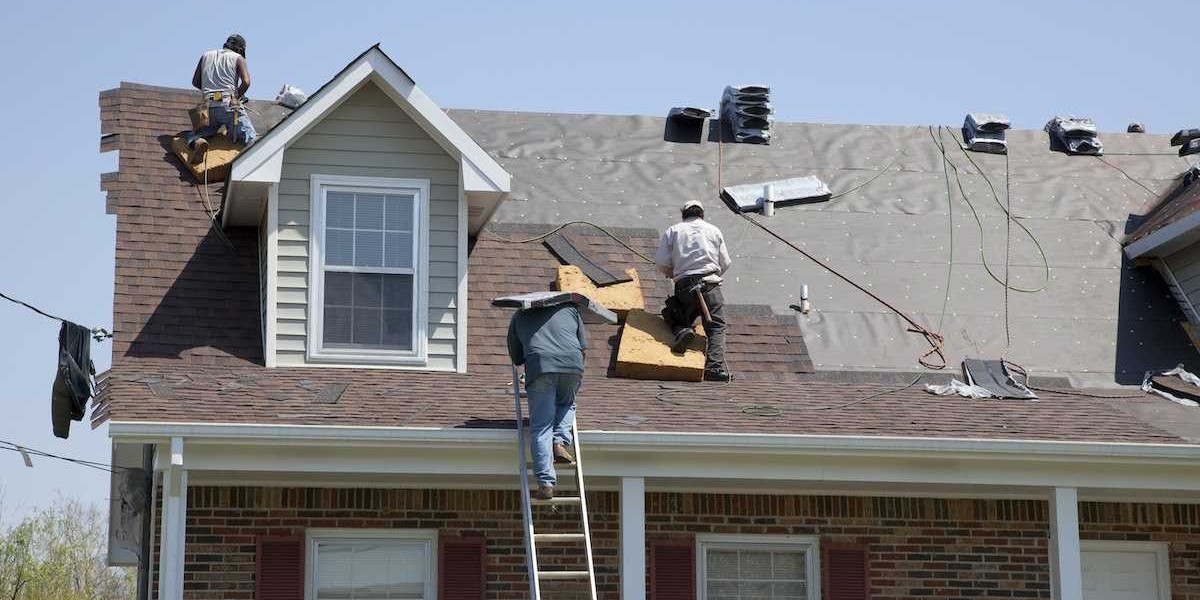


Spanning across Dallas, Denton, and Collin counties, Carrollton, Texas, is a vibrant suburban hub known for its quiet neighborhoods, bustling commercial districts, and proximity to the heart of the DFW metroplex. However, living in Carrollton also means facing the severe weather realities of North Texas. From sudden spring hail storms and damaging wind gusts to relentless 100°F+ summer heat waves, your roof takes a constant beating year-round.
Maintaining a sound, leak-free roof is critical to safeguarding your home’s structural integrity and protecting your family. Whether you are dealing with subtle shingle degradation or severe storm impacts, scheduling timely Roof Repair in Carrollton, TX can mean the difference between a quick repair and a costly, full-scale replacement.
Why Carrollton Roofs Suffer Severe Wear and Tear
North Texas sits squarely within "Hail Alley," making Carrollton homes particularly vulnerable to extreme meteorological events. Understanding the specific environmental factors that wear down local roofing systems helps homeowners take preventative action before structural damage occurs.
1. Spring Hailstorms
Hail is the leading cause of sudden roof failure in Denton and Dallas counties. Even moderate-sized hail (1 inch to 1.5 inches in diameter) strikes shingles with enough kinetic energy to knock off protective mineral granules, fracture the asphalt matrix, and leave underlying fiberglass mats exposed to moisture. Larger hail events—which occur almost annually across DFW—can dent metal flashing, crack clay tiles, and puncture asphalt shingles outright.
2. Microbursts and Straight-Line Winds
Severe summer thunderstorms in North Texas frequently produce straight-line wind gusts exceeding 60 to 80 mph. High winds can catch loose shingle edges, break factory sealant bonds, and strip shingle tabs off the decking. Once shingles are lifted or missing, wind-driven rain easily penetrates the underlayment, reaching roof decking and interior rafters.
3. Extreme Heat and Thermal Shock
Summers in Carrollton routinely bring prolonged heat advisories with temperatures topping 100°F. Surface temperatures on dark asphalt shingles can easily reach 150°F or higher during peak afternoon hours. This intense heat bakes the flexibility out of asphalt materials, causing them to shrink, curl, and blister. Furthermore, rapid cooling during evening thunderstorms causes thermal expansion and contraction, which stresses fasteners and seals around flashing joints over time.
Early Warning Signs Your Roof Needs Attention
Roof damage isn't always obvious from ground level. While missing shingles after a storm are easy to catch, subtle water intrusion can go unnoticed for weeks until major indoor ceiling damage occurs. Inspect your property for these critical indicators:
Accumulation of Granules in Gutters: Excessive dark sediment in downspouts or gutter channels indicates that shingles are shedding their protective layer and approaching the end of their lifespan.
Discolored Ceiling or Wall Stains: Water spots, bubbling paint, or damp drywall inside top-floor rooms or closets point to active roof leaks.
Curling, Cracked, or Lifted Shingles: Heat degradation causes shingle edges to lift upward or crack, exposing nail heads and underlayment to rainwater.
Damaged Vent Boots and Flashing: The metal or rubber seals surrounding chimneys, skylights, plumbing stacks, and exhaust vents expand and crack over time, creating primary leak pathways.
Dented Soft Metals: Dents on aluminum gutters, ridge vents, air conditioning units, or metal window screens indicate your roof likely took significant hail impact during recent weather events.
Don't Wait for a Leak to Damage Your Interior!
Small roof leaks and hail fractures can quietly rot roof decking and promote attic mold long before water drips through your ceiling. Catching damage early saves thousands in emergency restoration costs.
Need a fast, reliable assessment? Contact the certified local experts at Clear Vision Roofing today for a comprehensive, no-obligation roof inspection. Protect your home and restore your peace of mind before the next North Texas storm hits!
Navigating Hail Damage & Insurance Claims in Texas
Because a large percentage of roof repairs in Carrollton result from wind and hail events, navigating property insurance claims is a crucial step for many homeowners.
Functional vs. Cosmetic Damage
Under the Texas Insurance Code, insurance carriers carefully distinguish between functional damage (impacts that impair the roof's waterproofing ability) and cosmetic damage (surface marks or shallow dents that do not compromise structural performance). An experienced local roofing professional can document physical fractures, loss of granule adhesion, and seal degradation so your claim covers all necessary functional repairs.
Beware of "Storm Chasers"
Following major weather events in DFW, out-of-state contractors ("storm chasers") often flood local neighborhoods, offering door-to-door sales. Always partner with an established, local roofing company with proven community ties, state licensing, and verified insurance coverage to ensure your repairs are backed by real, long-term warranties.
Choosing the Right Materials for Carrollton Homes
When repairing or upgrading your roof, selecting materials designed to withstand North Texas weather conditions pays dividends in longevity and energy savings.
| Roofing Material | Lifespan | Hail & Wind Resistance | Key Benefits for Carrollton |
| Class 4 Impact-Resistant Shingles | 25–30 Years | Superior (Resists up to 2" hail impacts) | Significantly reduces hail damage risk; often qualifies homeowners for substantial annual home insurance premium discounts. |
| Architectural Shingles | 20–25 Years | Good (Rated for 110–130 mph winds) | Multi-layered dimensional look, high wind resistance, cost-effective for standard residential roofs. |
| Standing Seam Metal Roofing | 40–70 Years | Excellent (High wind & fire resistance) | Reflects solar radiant heat, dramatically reducing summer cooling bills; exceptional durability. |
| Synthetic Slate / Tile | 50+ Years | High (Impact-resistant formulations) | Delivers luxury aesthetic of natural tile without extreme weight or risk of hail cracking. |
Proactive Preventative Maintenance Checklist
Routine maintenance keeps your roof in top shape between storm seasons and prevents minor issues from ballooning into costly repairs.
Clear Gutters and Valleys Bi-Annually: Leaves, acorns, and debris collect in roof valleys and gutters, trapping water against shingle edges and accelerating edge rot.
Trim Overhanging Tree Branches: Keep tree limbs trimmed back at least six to eight feet from your roofline to eliminate limb scraping during high winds and discourage pest access.
Inspect Attic Ventilation: Balanced intake (soffit) and exhaust (ridge) vents lower attic temperatures in summer, preventing premature shingle aging and reducing household energy costs.
Reseal Pipe Flashing and Boots: UV exposure breaks down rubber boot seals surrounding roof plumbing vents every 5 to 7 years. Inspecting and resealing these prevents hidden attic leaks.
Taking care of your roof is an investment in your home's security, structural health, and long-term value. Whether you require minor maintenance, flash repair, or complete storm restoration, working with trusted local specialists ensures your home remains safe and dry through every Texas season.








