

The connection between climate change and health in Southeast Asia is becoming increasingly visible as rising temperatures, changing rainfall patterns, and extreme weather events create conditions where diseases can spread more easily. Warmer climates are influencing ecosystems, expanding the habitats of disease-carrying insects, and increasing health risks for millions of people across the region.
At Geo Pulse Lab, we analyse how environmental changes are affecting public health, regional stability, and the future challenges facing Southeast Asian communities.
Rising Temperatures Create New Health Challenges
Southeast Asia is one of the world’s most climate-vulnerable regions. Many countries are experiencing higher temperatures, longer heat periods, and unpredictable weather patterns.
These changes are not only environmental concerns but also major public health issues. Higher temperatures can increase the survival and reproduction rates of mosquitoes and other disease carriers, allowing illnesses to spread into areas that previously faced lower risks.
The growing impact of climate change on health in Southeast Asia shows how climate conditions can directly influence disease patterns and healthcare demands.
Mosquito-Borne Diseases Are Expanding
One of the biggest health concerns linked to rising temperatures is the spread of mosquito-borne diseases.
Diseases such as dengue fever, malaria, and chikungunya are becoming more difficult to control as warmer conditions create favourable environments for mosquito populations.
The climate change impact on dengue fever in Southeast Asia has become a growing concern because many urban areas provide ideal conditions for mosquito breeding. Heavy rainfall can create stagnant water sources, while higher temperatures accelerate mosquito development.
As climate conditions continue to change, health authorities may face increasing pressure to improve disease monitoring, prevention campaigns, and medical preparedness.
Extreme Weather and Disease Spread
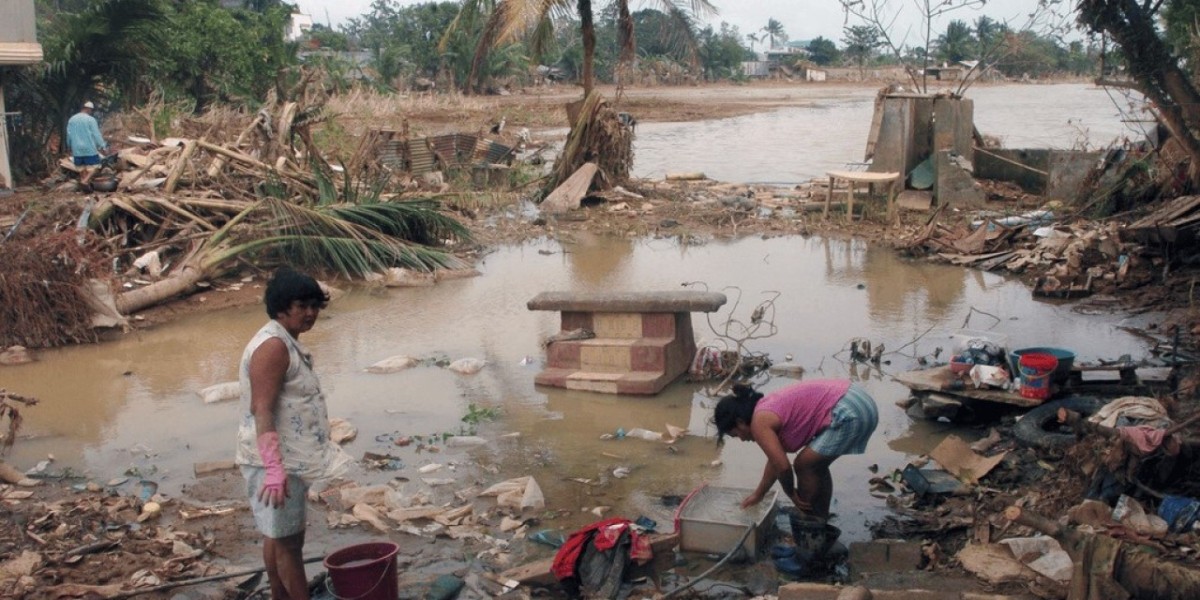
Climate change is also increasing the frequency of extreme weather events, including floods and storms. These events can damage sanitation systems, contaminate water supplies, and increase exposure to infectious diseases.
Flooding can create conditions where waterborne illnesses spread more easily, especially in communities with limited healthcare access and infrastructure.
The relationship between extreme weather and public health risks in Southeast Asia highlights the need for stronger disaster preparation and climate adaptation strategies.
Vulnerable Communities Face Greater Risks
The health impacts of climate change are not equally distributed. Rural communities, coastal populations, and low-income households often face greater exposure because they may have limited access to healthcare services, clean water, and climate protection measures.
Farmers and outdoor workers are particularly vulnerable to rising temperatures due to increased exposure to heat stress and changing environmental conditions.
Addressing Southeast Asia climate health challenges requires policies that protect vulnerable populations while improving healthcare resilience.
Urban Growth Adds Pressure
Rapid urbanisation across Southeast Asia is creating additional challenges. Expanding cities can experience higher temperatures due to the urban heat island effect, where buildings and roads absorb and retain heat.
Crowded urban areas can also create conditions where diseases spread more quickly, particularly when drainage systems and waste management infrastructure are under pressure.
Improving urban planning, healthcare systems, and climate adaptation measures will be essential for reducing future health risks.
Climate Adaptation and Health Security
Governments across Southeast Asia are increasingly focusing on climate adaptation strategies that connect environmental protection with public health planning.
These efforts include:
- Strengthening disease monitoring systems
- Improving early warning networks
- Expanding healthcare capacity
- Promoting climate-resilient infrastructure
- Increasing public awareness
The future of climate change adaptation for public health in Southeast Asia will depend on cooperation between governments, scientists, healthcare professionals, and communities.
A Growing Regional Challenge
Climate-related health risks are becoming a major issue for Southeast Asia’s future. Rising temperatures are changing disease patterns and creating new challenges for governments already managing complex healthcare needs.
The region’s response will require investment, innovation, and cooperation. Climate change is no longer only an environmental issue it is directly connected to human security and quality of life.








